
Home and selfcare
Portable vs. Tabletop Nebulizers: Which is Better for Home Use

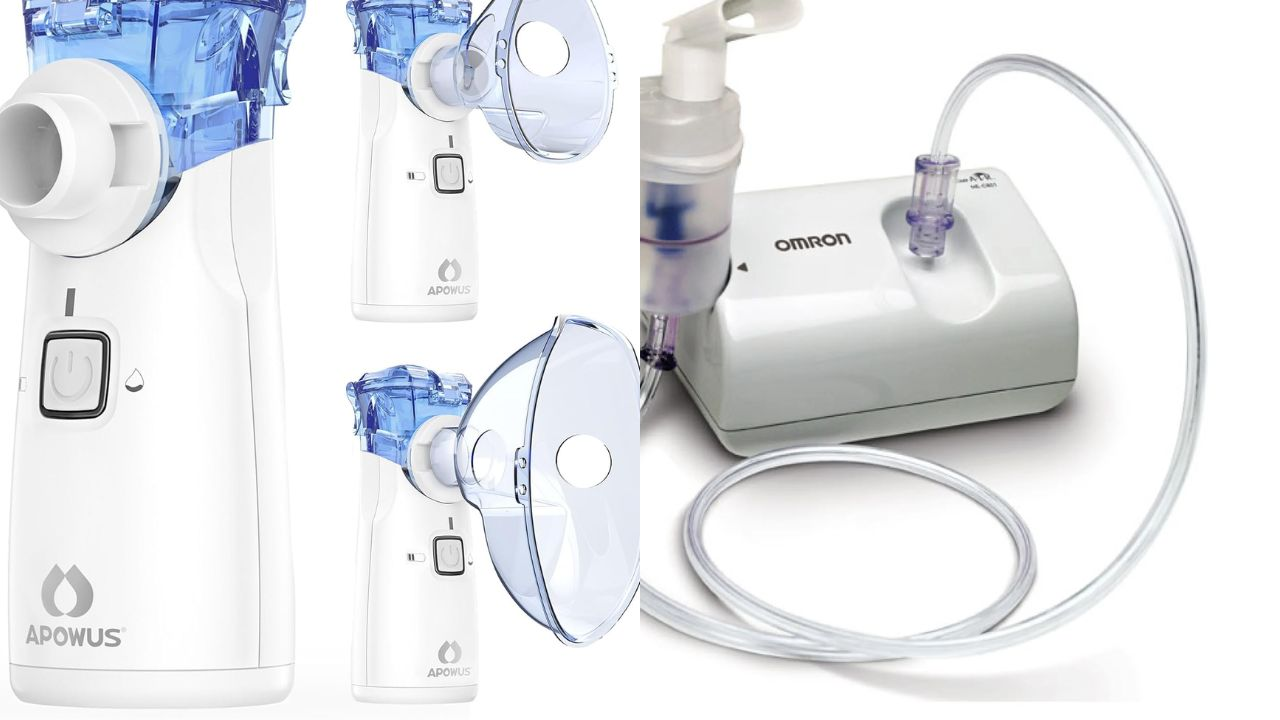
The portable vs tabletop nebulizers question comes up a lot, especially if you or someone you care about uses one for asthma, COPD, or respiratory condition. The right nebulizer should focus on comfort and reliability. Portable and tabletop nebulizers both deliver medicine to the lungs, but they’re made for different needs.
You’ll learn how tabletop and portable nebulizers differ, how each one works, what features to expect, and what to consider before choosing one for home use. The goal is simple: help you make a choice that supports better breathing and long-term health.
What is a Nebulizer
A nebulizer is a device that converts liquid medicine into a mist that can be breathed in through a mask or mouthpiece. It is used for the treatment of respiratory diseases such as asthma, chronic obstructive pulmonary disease (COPD), and bronchitis, or for any other condition that causes difficulty in breathing.
Nebulizers enable the drugs to go deep into the airways, which can ease symptoms such as wheezing, shortness of breath, and inflammation.
With inhalers, you get one quick puff of medicine; with a nebulizer, you get a steady mist of medicine for a few minutes, which makes it easier to use for children, the elderly, or those who have trouble using inhalers correctly.
There are two categories of nebulizers for home use: a tabletop model, which is larger and plugs into a power outlet, and a portable nebulizer, which is compact, battery-powered, and built for mobility.
Portable vs Tabletop Nebulizers
When you want to choose between a portable and a tabletop nebulizer, focus on how each will fit into daily life. Both turn liquid medication into a breathable mist, but they differ in how they deliver that mist, their size, and their power sources. Before looking at features, you should also understand the difference
What Is the Difference Between a Tabletop and Portable Nebulizer?
The main differences are size, power source, and mobility.
- A tabletop nebulizer is larger and meant to stay in one spot, usually on a table or bedside stand.
- It plugs into an outlet and uses a compressor to create steady airflow.
- You’ll see these often in homes, clinics, and hospitals.
For portable nebulizer machine:
- A portable nebulizer is compact and lightweight, designed to be carried around.
- It usually runs on rechargeable batteries or AA batteries.
- It uses mesh or ultrasonic technology instead of a compressor.
Both types can deliver medication effectively, but their designs affect noise level, treatment time, maintenance, and overall convenience.
Tabletop Nebulizers for Home Use

What to Know About Tabletop Nebulizers
Tabletop nebulizers have been used for decades and remain a trusted option for home respiratory care. Doctors often recommend this treatment for patients who require ongoing medication throughout their entire treatment duration.
How Tabletop Nebulizers Work
Most tabletop nebulizers use compressor technology. The machine pushes air through tubing into a nebulizer cup, where liquid medication is turned into a fine mist. Patients use mouthpieces or masks to inhale the generated mist.
This method functions effectively with multiple types of drug treatments.
Tabletop Nebulizers Basic Functions:
Tabletop nebulizers produce unchanging airflow, which guarantees complete medication delivery to patients. This feature becomes essential for patients who experience moderate to severe breathing problems because they require consistent medication delivery.
Wide Medication Compatibility
These devices work with most prescribed nebulizer medications, including thicker solutions. This makes them a safe choice when medication requirements may change over time.
Durable Design
Tabletop nebulizers are built for daily use. Many models last for years with proper care, making them a long-term investment for home use.
Pros of Tabletop Nebulizers
- Reliable and powerful performance
- Suitable for all age groups, including infants and seniors
- Compatible with most medications
- Often covered by insurance when prescribed.
Cons of Tabletop Nebulizers
- Somehow big
- Require a power outlet
- Can be noisy compared to portable models.
Who needs a tabletop nebulizer?
A tabletop nebulizer is better for home use if you:
- You have daily nebulizer treatments.
- You prefer a more stable, stay-at-home environment.
- You are taking drugs that require large volumes of airflow.
- You are not concerned with the white noise.
For many families, a tabletop nebulizer is still the most reliable option.
Portable Nebulizers for Home Use

Portable nebulizers are built for adaptability. They are great for individuals who need their treatments to fit in with a busy or on-the-go lifestyle.
How Portable Nebulizers Work
Some portable nebulizers use mesh technology, and some use ultrasonic vibration. A vibrating fine mesh with tiny holes pushes the medication through, creating a mist. The architecture permits the device to be compact, silent, and battery-driven.
Key Features of Portable Nebulizers
Compact and Lightweight
Portable nebulizers are small enough to be carried in a purse or pocket. This makes them perfect for storage and for travel and home use.
Battery-Powered Convenience
Several models on the market are battery rechargeable for treatment without an outlet, so check these out based on your needs and budget. It’s great for when you experience a power outage or when you lug it from one room to the next.
Quiet Operation
Compared with table-top nebulizers, portable models are far quieter. This is a huge advantage for use at night or for children who are sensitive to noise.
Pros of Portable Nebulizers
- Easy to carry and store
- Quiet and discreet
- Good for traveling or a busy home.
- Useful in different positions.
Cons of Portable Nebulizers
- Lesser capacity for medication
- Must be charged regularly or have their batteries replaced
- Mesh components require a sensitive cleaning.
Who Should Buy a Portable Nebulizer?
You need it if:
- You are often traveling or on the road.
- You’re sensitive to noise
- You need very occasional or brief treatments.
Portable vs Tabletop Nebulizers: Their Features
Power Source and Dependability
Tabletop nebulizers run on electricity, so they offer a steady performance, although you have to use them in a certain area. Portables use batteries, which you need to recharge. Tabletop models often just seem more trustworthy for day-to-day therapy without interruption.
Treatment Time and Efficiency
The tabletop nebulizers has stronger airflow which means faster delivery . Portable nebulizers may take a bit longer, depending on the model and type of medication you have. This difference will matter to those who need fast, efficient sessions.
Noise Level
This is one of the main differences between portable and tabletop nebulizers. Portable nebulizers are far quieter than their tabletop equivalents, which rely on compressor motors for power. Portable models are much quieter, and I can imagine that would make for better comfort and perhaps even compliance.
Maintenance
Both are to be cleaned regularly, but portable nebulizers particularly mesh ones require a bit more handling, so be gentle. Mesh parts may clog if they are not washed properly. Tabletop nebulizers, in general, are tougher and easier to maintain over time.
How Your Lifestyle Influences Your Choice of Nebulizer
- Lifestyle Active: When you hustle in and out of the rooms of your house or out on the road, a portable nebulizer makes treatment more manageable and ensures that you never miss a dose.
- Fixed Routine: If you have your treatments in one place, such as a bedside table, a tabletop nebulizer offers more powerful airflow, quicker sessions, and consistent quality.
Choosing the Best Nebulizer for Your Day-to-Day Needs
- Treatments in the Morning and Evening: You can use these models early in the morning or late at night without waking up anyone, as they are quiet.
- Several Users in a Household: Tabletop nebulizers are very suitable to be shared since they normally come with bigger medication cups and are easy to use.
- Senior or Kid-Friendly Operation: Tabletop models tend to have larger, more legible buttons, and portable ones include the need to handle the mesh parts with care.
Safe and Effective Medication Delivery
Both handheld and tabletop nebulizers can provide the right dose when properly used. The important thing is to follow the manufacturer’s guidelines and maintain the device.
Tabletop nebulizers are well-established in clinical practice—this reassures some users. Portable nebulizers have come a long way in the last few years and are now deemed safe for home use by regulatory agencies.
Reasoning About Costs for Home Use
Initial Purchase Price
Because of the advanced technology, portable nebulizers sometimes have a higher initial price. Tabletop nebulizers can be more cost-effective and are often partially or fully reimbursed by insurance with a prescription.
Long-Term Expenses
Tabletop nebulizers may also need replacement tubing and masks, which are usually inexpensive. Disposable mesh parts or batteries for portable nebulizers are needed periodically, which might result in additional long-term costs.
Portable vs Tabletop Nebulizers: Which is Better for Home Use
- The right choice depends on how you live and how you treat your respiratory condition. However,
- Go with a tabletop nebulizer if you want power, consistency, and reliability over time at home.
- Get a portable nebulizer if you want more flexibility, want it to be quiet, or want to be mobile.
- Most homes actually have the two. A tabletop nebulizer for everyday medicine and a portable one for an emergency.
Read also: Best Nebulizer Machines for Asthma: Quiet, Fast, and Doctor-Approved Models
FAQs
1. What is the difference between a tabletop and portable nebulizer?
A tabletop nebulizer uses electricity, is bigger, and remains stationary, whereas a portable nebulizer is a small, battery-powered device that you can take with you wherever you go. Both deliver medication effectively.
2. What is the best nebulizer for home use?
It depends on your routine. For daily treatments that take place in a fixed location, a tabletop nebulizer is the best choice. Quiet, portable nebulizers work great for use at home.
3. Can portable nebulizers handle all types of medications?
Not always. Some portable mesh models may not work with thicker medications. Tabletop nebulizers generally support a wider range of prescriptions.
4. Are portable nebulizers as effective as tabletop ones?
Yes, if used properly. Portable nebulizers deliver accurate doses, but treatment time may be slightly longer compared to tabletop models.
5. How do I clean and maintain my nebulizer at home?
Rinse the medication cup, mask, or mouthpiece after each use. Tabletop models are easier to clean, while portable mesh devices need careful handling to prevent clogs.
Final Thoughts on Portable vs Tabletop Nebulizers
In the portable vs tabletop nebulizer debate, the right choice is the one that you will use the most. More effective is one that matches your routines, comfort level, and medical requirements.
Knowing the difference between a tabletop and portable nebulizer will enable you to get rid of the marketing hype and concentrate on what really matters for better breathing.
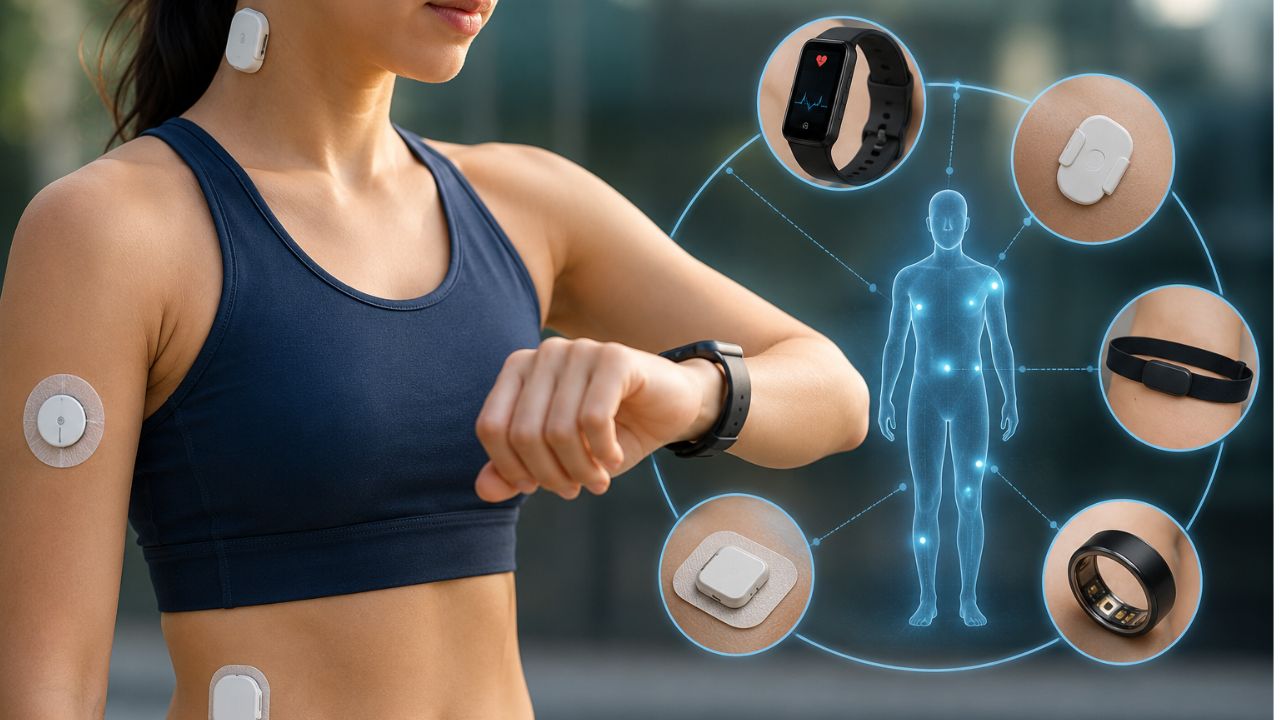
The healthcare sector is undergoing a huge transformation. Now, many are shifting from reactive medicine to preventative care. The technology spearheading this change are wearable biosensors. These are not just fancy devices; they are advanced medical devices you can wear on your wrist or stick to your skin like a band-aid.
In this article, we’ll take a look at how the sensors function, their categories, and the top wearable devices available.
What is a Wearable Biosensor?
Wearable biosensors are small electronic devices that detect biological or physical signals from the body and transmit the information to a smartphone, smartwatch, tablet, or medical device.
The simple description of this device is that it “reads” your body. It takes biological signals such as your sweat chemical composition or your heart rate, converts them into digital information, and you can access it on your smartphone or share it with your doctor.
The beauty of a wearable biosensor is that it can be continuously monitored. In the past, if you wanted to check your blood sugar or heartbeat, you had to visit a clinic. However, in recent times, these biosensors can capture your health even while you eat, sleep, work, and exercise.
How Does Wearable Biosensors Work?
- Biological Fluids: It checks liquids like sweat, saliva, and interstitial fluid (the fluid between cells).
- Biomarkers: It looks for specific markers like glucose for diabetes or lactate for muscle fatigue.
- Physiological Conditions: It monitors heart rate, oxygen, and breathing.
Why Healthcare Monitoring Is Becoming More Important
We are no longer waiting for things to go wrong before we act, and this is why monitoring is a vital part of modern medicine. When we monitor data in our bodies, we can detect disease early, prevent chronic disease, and live longer.
Here is why we should monitor our health.
The Rise of Chronic Conditions
Globally, there is an increase in chronic lifestyle diseases such as diabetes, hypertension, and heart disease. These conditions don’t appear all of a sudden. They develop over years with or without symptoms that we miss during routine yearly check-ups. However, wearable biosensors can detect these conditions.
Someone at risk of diabetes can notice how their biological fluids respond when they eat sugary meals. This real-time data helps one to modify what they consume.
Moving from Reactive to Proactive Care
The old medical model was reactive. Once you feel pain, you go for a lab test and then commence treatment. At present, we focus on proactive care. When a patient uses a wearable biosensor, they get quick results and also optimize their health.
If you track biomarkers like your heart rate or sleep quality, it will show you how stress and diet affect your physiological conditions.
Reduces the Burden on Hospitals
Constant healthcare monitoring allows doctors to keep track of high-risk patients while they are at home. If a heart patient’s patch detects an irregular rhythm, the hospital can be alerted immediately. This can prevent a minor issue from turning into a major emergency.
Precision Medicine and Personalization
Every human body is different. A diet that works for one person might cause inflammation in another. Through the use of a specialized wearable biosensor, we can move toward precision medicine.
This means treatments and lifestyle advice works for a specific data. Whether it is a device that tracks your oxygen levels or a sensor that monitors your hydration via sweat, the treatment plan is for a particular individual..
The Power of Continuous Data
When a doctor asks, how have you been feeling for the last three months? Most of us can only give a vague answer. But, a wearable biosensor provides an objective, 24/7 record of your body’s performance like:
- Real-time Alerts: It can alert you to move if your circulation is poor.
- Sleep Insights: It can identify signs of sleep apnea as it tracks blood oxygen.
- Stress Management: It can detect spikes in cortisol or skin conductance, telling you when it is time to take a breath.
Main Components of Wearable Biosensors
This comprises several parts that make the device work well. The components are:
Biological Recognition Element
This layer identifies the target substance or biological activity.
Examples:
- Enzymes
- Antibodies
- DNA fragments
- Living cells
Sensor
The sensor detects chemical, electrical, or physical changes
Signal Processor
The processor converts raw signals into digital information.
Communication Module
Bluetooth, Wi-Fi, or cellular technology sends data to connected devices.
Software
The application shows results, stores records, and provides alerts when necessary.
Categories of Wearable Biosensors
Biochemical Wearable Biosensors
These devices search for chemical changes in the body. They provide continuous information throughout the day.
Interstitial Fluid Sensors
Interstitial fluid sits under the skin and contains valuable health information.
Continuous glucose monitors (CGMs) use a small flexible filament placed just under the skin. The sensor measures glucose levels every few minutes.
Examples:
- Abbott FreeStyle Libre
- Dexcom G6
These devices help people with diabetes maintain stable glucose levels without frequent finger-prick testing.
Benefits:
- Continuous glucose tracking
- Proper diabetes management
- Few blood tests
Sweat Analysis Sensors
Electronic skin patches and wearable tattoos measure important biomarkers such as the following:
- Lactate
- Glucose
- Sodium
- Potassium
- Chloride
Uses:
- Monitors Hydration
- Sports performance
- Exercise recovery
- Prevent heat stress
Tear and Saliva Biosensors
These systems can monitor:
- Tear glucose
- Intraocular pressure
- Stress hormones
- Infection markers.
Electromechanical & Biophysical Sensors
This type of wearable biosensor tracks movement and electrical signals. Usually, they are thin, stretchable, and feel like a second skin.
ECG and Heart Rate Sensors
These sensors record electrical activity from the heart.
Many smartwatches and medical patches can monitor:
- Heart rate
- Heart rhythm
- Blood oxygen (SpO₂)
- Skin temperature
Examples:
- Apple Watch
- Medical ECG patches
- Portable cardiac monitors
Respiration and Movement Sensors
Wearable chest patches and smart clothing measure body movement.
They can monitor:
- Breathing rate
- Walking patterns
- Posture
- Sleep movement
- Activity levels
Technologies behind Modern Wearable Biosensors
Although the technologies in the tools are still improving. Here is what they contain:
Flexible Materials
Manufacturers now use lightweight materials that move naturally with the body.
Examples include:
- Biocompatible polymers
- Hydrogels
- Flexible electronics
- Electronic textiles
Edge Artificial Intelligence
Many modern sensors include built-in artificial intelligence.
Instead of sending every reading to cloud servers, the device processes information immediately.
Edge AI helps to
- Remove motion interference
- Improve signal quality
- Detect abnormal readings
- Deliver faster alerts
- Reduce battery use
What Biomarkers Can Wearable Biosensors Measure?
Each sensor detect different health symptoms.
The known biomarkers are:
- Glucose
- Lactate
- Cortisol
- Electrolytes
- Oxygen saturation
- Body temperature
- Heart rhythm
- Respiratory rate
What Are Biological Fluids?
These fluids carry essential health information throughout the body.
Examples:
- Blood
- Interstitial fluid
- Sweat
- Tears
- Saliva
- Urine.
The Physiological Conditions that Wearable Biosensors Monitor
These devices monitor several physiological conditions, such as:
- Heart rate
- Blood oxygen
- Body temperature
- Sleep quality
- Physical activity
- Breathing rate
- Blood glucose
- Stress response
- Hydration
- Blood pressure trends
Top 5 Wearable Medical Devices
To help you understand the current market, here are the five essential wearable medical devices.
Continuous Glucose Monitors (CGMs)
A CGM is a sophisticated wearable biosensor for people living with diabetes. It doesn’t use the traditional finger-prick blood tests.
Rather, a small patch with a tiny, flexible filament that sits just under the skin. In addition, it measures glucose levels in your biological fluids.
Real-Time Data: It sends sugar levels directly to a smartphone or insulin pump.
- Trend Tracking: It shows if your levels are rising or falling after a meal or exercise.
- Safety: It alerts the user (and often their doctor) if sugar levels become too high or low.
ECG Monitoring Patches
While some watches can take a heart reading, a dedicated ECG (electrocardiogram) patch is recommended. These are small, paste strips you stick directly to your chest.
They are much more accurate than wrist-worn devices because they are closer to the heart and are not affected by arm movement.
- Heart Rhythm Detection: They are used to find irregular heartbeats, such as atrial fibrillation (AFib).
- Extended Use: A patient can wear a single patch for up to 14 days. It captures heart data during sleep, work, and exercise.
- Wireless Connectivity: Modern patches stream data to a cloud-based platform where cardiologists can review the findings in real time.
Smartwatches with wearable biosensors
Advanced versions from brands like Apple, Samsung, and Google have medical-grade sensors cleared by health authorities. These devices monitor several biomarkers through light-based technology (PPG) and electrical sensors.
- Blood Oxygen (SpO₂): They measure the oxygen your red blood cells carry.
- Sleep Vitals: They can detect disruptions in breathing that may suggest sleep apnea.
- Vital Alerts: They can notify you of an unusually high or low resting heart rate.
Wearable Blood Pressure Monitors
There are wearable blood pressure monitors that fit on your wrist like a watch. These devices use advanced “oscillometric” technology to inflate a small cuff inside the strap.
- Hypertension Management: They allow multiple readings which helps doctors understand “white coat hypertension” (stress caused by being in a clinic).
- Automatic Logging: Every reading is saved in an app. It makes it easy to see how medication and diet affect your blood pressure.
Wearable Cardiac Rhythm Monitors
Some of these take the form of incredibly thin, stretchable smart stickers or even smart clothing. They depend on the electrical signals of the heart over weeks or months to catch rare but dangerous cardiac events.
- Post-Surgery Care: These are used for patients who are just recovering from major heart procedures.
- Biophysical Tracking: They monitor heart rate variability (HRV).
- Discreet Design: Most of these devices are so thin that they can be worn under regular clothing without being noticed.
What Are the Examples of Wearable Biosensors?
There are plenty of them. The popular ones are:
- Abbott FreeStyle Libre
- Dexcom G6
- Apple Watch
- LifeSignals wearable patch
- Smart ECG patches
- Smart rings
- Electronic skin patches
- Smart contact lenses under development
- Smart health bands
Benefits of Wearable Biosensors
A modern wearable biosensor uses materials like hydrogels and e-textiles to stay comfortable. They also use Edge AI. This means the device cleans the data on your arm before sending it to the cloud.
The Key benefits are:
- Continuous healthcare monitoring
- Detects disease on time
- Better chronic disease management
- Promotes personalized treatment
- Improves patient engagement
- Support remote healthcare support
- Better medication monitoring
- Real-time alerts
- Greater convenience
Where to use wearable biosensors
The devices can be used in managing and monitoring the following medical conditions:
Diabetes Management
Continuous glucose monitors help patients maintain their glucose levels.
Benefits:
- Better insulin adjustment
- Improved glucose control
- Fewer emergency cases
Cardiovascular Care
Healthcare providers can review patient data remotely and respond almost immediately.
Uses are to:
- Detect Arrhythmia
- Monitor heart failure.
- Track blood oxygen.
Hypertension Monitoring
Wearable devices help patients follow blood pressure trends over time. However, many still require cuff calibration.
Chronic Kidney Disease
Researchers now combine biochemical monitoring with artificial intelligence to identify changes that may point to kidney problems.
This may support earlier intervention and better disease management.
Athletic Performance
Professional athletes and fitness enthusiasts use wearable devices every day.
They track:
- Lactate levels
- Hydration
- Recovery
- Muscle fatigue
- Heart rate
- Training intensity.
Preventive Healthcare
The early signs may include:
- Irregular heartbeat
- Low oxygen levels
- Fever
- Reduced activity
- Abnormal sleep patterns
This new era of healthcare is personal, data-driven, and proactive.
Challenges of Wearable Biosensors
Although the technology provides real-time health data, there are a few concerns, such as
- Data privacy concerns
- Sensor calibration
- Motion interference
- Causes skin irritation
- Wireless connectivity issues
- Regulatory approval
Read also: Cloud Computing in Healthcare: Applications and Benefits
Final Thoughts on Wearable Biosensors
We are moving away from the days of guessing why we feel tired or waiting for a yearly check-up to uncover a problem. These small patches and smart devices act like a quiet partner, watching over our vitals while we live our lives.
Whether you want to manage a condition like diabetes or are just trying to sleep better, having this data at your fingertips is empowering. It makes you be in charge of your health. This new era of healthcare is personal, data-driven, and proactive.
Perhaps we should start with this. Which chronic disease are you having? This will help us suggest a perfect wearable biosensor for you.
I hope this was helpful. For more updates, kindly follow us on our social media handles.
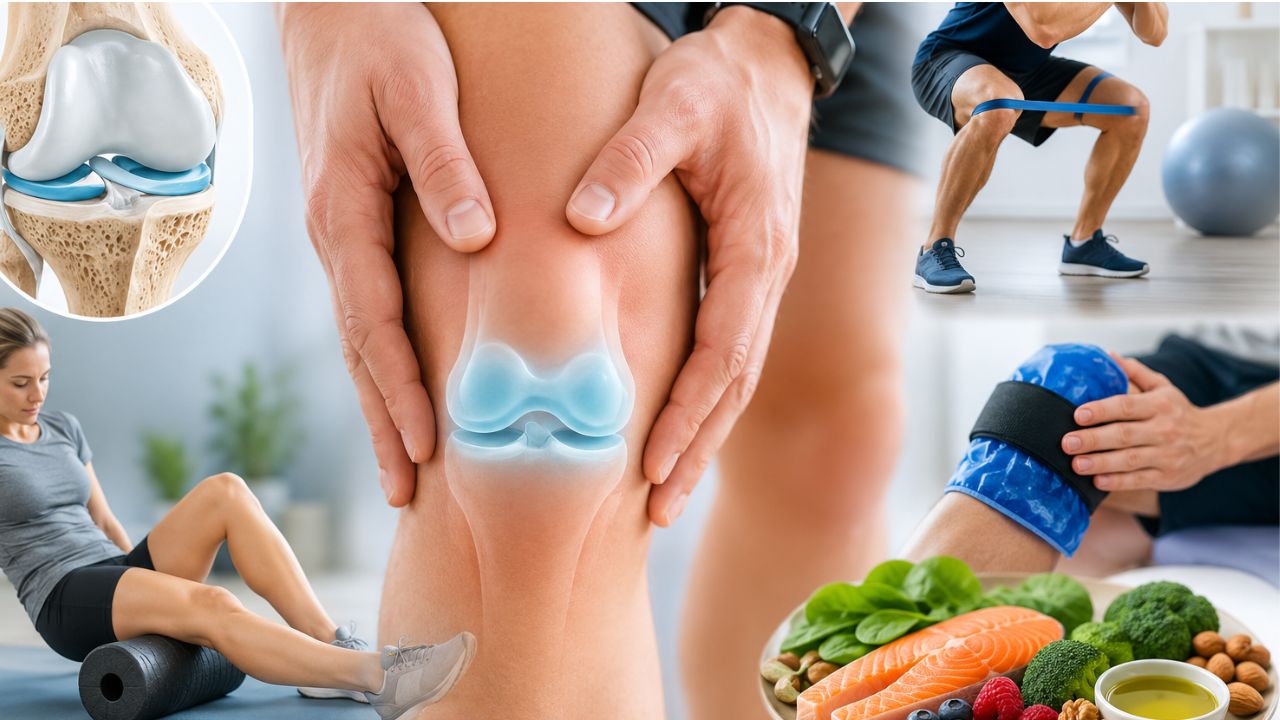
Are you thinking of a knee replacement but don’t want surgery? Then this is for you. A knee cartilage repair without surgery remains an elusive goal in the field of orthopedics. Current non-operative therapies do not regenerate large amounts of hyaline cartilage tissue as surgical methods such as ACI or MACI do. Instead, these treatments focus on pain relief, enhanced function, and improved joint stability, especially in mild-to-moderate osteoarthritis or focal chondral lesions.
Here, you’ll find information on non-operative treatment and therapies for your knee. It will help you understand the options and develop a plan with your physical therapist.
What is Knee Cartilage Repair without Surgery?
It is when nonoperative care may complement or even precede surgery. The goal is to reduce pain, improve function, and slow the wear of knee cartilage.
How it works
Nonsurgical treatment of arthritis in the knee is to reduce inflammation, enhance joint lubrication, protect the knee, and support the cartilage. Treatments can be combined with a home exercise program and lifestyle measures to protect the joint. If symptoms worsen, the plan can be modified.
Expected symptom relief and typical regimen
Some people see relief within weeks, while others need several months of continued treatment. Treatments may include injections (when necessary), physical therapy, and lifestyle changes. Therapy may also include regular visits, exercise, or changes in diet.
Stem Cell Knee Injections
Stem cell injections for the knee are cells that may help repair or change the environment of the joint. These cells are injected into the knee to decrease inflammation and promote tissue health.
Types: Bone marrow-derived and adipose-derived
Bone marrow-derived stem cells are taken from your bone marrow and processed for injection. Adipose-derived stem cells are taken from the fat tissue and processed for use in the knee.
Purpose:
Inhibit inflammation
Support healing signals in the joint
Improve cartilage quality and function (Further study is needed)
Hyaluronic acid knee injections (lubricate joint and reduce stiffness)
Hyaluronic acid (HA) injections add a slippery fluid to the knee joint to improve lubrication and reduce friction.
Purpose:
HA acts as a lubricant and shock absorber
Helps the joint glide
Decrease stiffness
Increase range of motion
Dosage and viscosity:
Doses vary, with several injections a week or one high-dose injection
Viscosity is important. It may require a higher viscosity form of cream
The benefits:
Reduces pain during movement
Improve joint function for a period of weeks to months
Viscosupplementation Knee Cartilage Repair without Surgery
Viscosupplementation refers to the injection of hyaluronic acid into joints to improve joint viscosity. The two treatments are very similar but referred to slightly differently.
Time of relief: Most patients notice immediate relief after a few weeks to a few months. Some feel relief for much longer periods of time with activity modification and PT.
Prolotherapy Knee Cartilage Repair without Surgery
Prolotherapy involves small injections that stimulate the body’s healing response to strengthen ligaments and joint stability.
Injection targets:
Ligaments in the knee and areas believed to be loose or unstable. The goal is to improve the joint alignment and stress on the cartilage when moving.
Benefits
Could remove the micro-movements that cause cartilage irritation
It can supplement strengthening and PT by providing a more stable foundation for the knee.
Physical Therapy Knee Cartilage Repair without Surgery
Physical therapy is important in the non-surgical knee care program. It is not just about strengthening. It restores normal joint motion and reverses common biomechanical problems such as excessive knee valgus or foot pronation.
In addition, it improves neuromuscular control so that loads are evenly distributed into the joint.
The protocol usually begins with managing the pain with ice or gentle mobilization. Then move to closed-chain exercises such as mini-squats, step-ups, and open-chain strengthening and functional drills.
Purpose:
- To restore pain-free movement.
- Enhance range of motion.
- Build the muscles supporting the knee.
Typical protocols:
- A logical progression: Manage pain, move comfortably, load slowly.
- Add neuromuscular training to enhance knee tracking and stability.
- Use the imaging guide for progression when necessary.
Knee Muscle Strengthening
What muscle groups should I work on?
- The quadriceps, especially the vastus medialis
- Hamstring
- Hip abductors and the gluteal complex
- Calf muscles for ankle-knee synergism.
How does this reduce pressure in the cartilage?
- Strong muscles carry more load, and the cartilage is less directly loaded
- Improved knee alignment reduces uneven wear on the surface of the joint
- Lower-impact exercises for bad knees
- Low-impact exercises help keep the knee healthy
Examples:
- Swimming: Offers a full-body workout without stressing joints.
- Cycling: Use of stationary or road cycling
- Elliptical: Allows fluid motion with less impact on the knees
- Walking schedules: Slow progression on distance and speed
Knee Cartilage Diet
Nutrition only assists in the treatment of the joint environment and is not a medicine. A knee cartilage diet helps to reduce inflammation and the level of chronic low-grade inflammation that contributes to the progression of osteoarthritis.
The following foods are recommended:
- Foods high in omega-3 (fatty fish such as salmon, mackerel, sardines
- (Flaxseeds, chia seeds, walnuts)
- Color fruits and vegetables
- Make olive oil your main fat and eat lean protein (legumes and poultry).
- Limit processed foods, refined sugars, and too much saturated fat.
Here are some meal ideas:
- Breakfast: Greek yogurt with berries and flaxseed
- Lunch: Hefty salad with grilled salmon, mixed greens, chickpeas, olive oil/vinegar dressing
- Dinner: Stir-fried tofu, broccoli, peppers, brown rice, and ginger-garlic sauce
Weight Loss for Knee Pain
Weight loss is one of the most evidence-based non-operative treatments for knee osteoarthritis, particularly in those who are symptomatic. Every step we take places a load through the knee joint, and body mass increases that load. The forces can be as high as 3 to 6 times body weight, studies show.
Even a small amount of weight loss (5 to 10 percent of total body weight) can reduce the load. For instance, when you lose 10 pounds, you’re taking 30 to 50 pounds of pressure off each knee with every step.
This decrease in mechanical load also has an effect on cartilage biology, with less cartilage damage and reduced joint inflammation.
Sleep, Stress Management, and Daily Activity Tips
Daily habits apart from exercise and diet can also help relieve joint pain. A good sleep (7 to 9 hrs) is important; inadequate sleep is associated with lower pain thresholds and higher levels of inflammation, worsening symptoms of OA.
- Stress Management Tips: Mindfulness, yoga, breathing slowly, and resting on schedule.
- Sleep: 7 to 9 hours; bad sleep makes pain worse.
- Daily activities: Don’t stay in one place for too long (too much sitting or standing) and wear good shoes.
- When lifting, use your legs (bend your knees, keep your back straight).
Supplements and Diet
Glucosamine (usually 1500 mg per day) and chondroitin sulfate (around 800-1200 mg per day, sometimes not all at once) have been widely researched.
The meta-analyses suggest modest, inconsistent benefits for pain and function, especially for glucosamine sulfate (not hydrochloride) and chondroitin sulfate.
Glucosamine and chondroitin
- The evidence is variable: Some people find their symptoms improve; however, others don’t.
- Dosage: Typical doses are glucosamine 1500 mg per day and chondroitin 800-1200 mg/day, but speak to your healthcare professional.
- Warnings: May interact with other medications; begin with a test period and observe.
Collagen for a Healthy Joint
- Types: Types I and II collagen are the most common in supplements.
- Dosage: Stick to the product instructions; some protocols include 5–10 g/day.
- Building blocks: Support the cartilage matrix and joint stability.
Omega-3 fatty acids and Inflammation
- Food sources: fatty fish, flaxseeds, chia seeds, walnuts.
- Supplements: Talk to your healthcare provider about taking 1-2 g/day of EPA/DHA combined.
Anti-inflammatory Diet Foods
- Basic meal suggestions: Salmon with quinoa and greens; lentil soup with olive oil; veggie stir-fry with turmeric.
- Grocery list: Berries, leafy greens, oily fish, olive oil, nuts, seeds, whole grains.
Sun Exposure and Vitamin D Considerations
Vitamin D is important for bone and cartilage health. So, get some sun exposure or take supplements as recommended by your healthcare provider.
Hydrate and Lubricate
- Drink water and stay hydrated: Water is an essential component of healthy synovial fluid.
- Rest for at least a day after hard workouts.
- Apply heat or ice for pain management.
Is there a New Treatment for Knee Cartilage without surgery?
New treatments are constantly emerging. Stem cell knee injections, PRP (platelet-rich plasma), and next-generation biologics are areas of intense research.
Short note: ACI and MACI
These are sophisticated cellular therapies and involve operations.
They are not non-operative strategies, and they are here mentioned to provide an outlook.
The difference from non-operative modalities
Surgical (repair) versus non-surgical management has different implications for invasiveness, convalescence, and objectives.
Nonoperative treatment is for symptom control, and it supports cartilage health without any tissue excision.
When to consider Surgery and Non-surgical Approaches
Surgical treatment may be considered if non-surgical care does not adequately manage pain or function, or if the damage is severe.
However, get a plan standardized with a knee specialist BEFORE you decide.
FAQs about Knee Cartilage Repair without Surgery
Do non-surgical treatments work for advanced knee osteoarthritis?
These treatments may not reverse the damage caused by the injury, but they may reduce pain and delay surgery for some patients (e.g., weight loss + PT + HA injection).
How long before I see improvement with PRP or hyaluronic acid injections?
PRP: a few weeks to months; HA: usually a few weeks to a couple of months, based on how the individual responds.
Are there risks with stem cell knee injections or PRP?
Both procedures are usually regarded as safe when carried out with autologous cells in sterile conditions. Temporary risks that are common include infection, swelling, and allergic reactions.
Can lifestyle changes alone halt cartilage wear?
They may slow progression and lessen symptoms, particularly in conjunction with targeted therapy and exercise.
How should I choose between therapies?
Choice depends on personal goals, symptom patterns, and imaging findings. Add HA for mechanical symptoms/stiffness, consider PRP for inflammatory-mediated pain, consider stem cells for chronic synovitis, and use prolotherapy cautiously for signs of instability, and as always, weave in foundational lifestyle and supplement guidance.
Summary of Evidence
- PRP: There is moderate evidence to support short-term symptomatic relief in knee osteoarthritis; efficacy depends on preparation and injection protocol.
- Hyaluronic acid injections: Short- to mid-term relief (moderate evidence); duration of effect varies.
- Viscosupplementation: Same as HA injections, relief duration is traditionally 3-6 months from the injection, but a few special high-MW/cross-linked product reports longer periods of relief.
- Prolotherapy: Limited high-quality evidence; some patients experience better stability.
- PT results: Strong evidence exists that pain can be reduced and function improved.
- Stem cell knee injections: Preliminary results; more research is needed to determine whether there are long-term benefits.
A Clear Path for Knee Cartilage Repair without Surgery
- What you need to know: See a knee specialist, physical therapist, or orthopedist to talk about your options for non-surgical knee cartilage repair and to get a customized treatment plan.
- Develop a plan that includes non-surgical knee cartilage repair options, PT, and nutrition.
- Monitor progress. Use a pain scale, function scores, and activity tolerance to observe changes.
Monitor progress
- Pain scale: Are you improving? Rate your pain daily or weekly.
- Function scores: Monitor your ability to do everyday activities or certain things.
- Activity tolerance: Keep track of how long you can walk, climb stairs, or ride your bike.
Read also: Robotic Surgery Systems: Scope, Design, and Implications.
Final Thoughts: Knee Cartilage Repair without Surgery
The non-surgical treatments ease the symptoms and help maintain the cartilage. There’s no doubt they work for many people, especially if you start early and combine them with physical therapy, nutrition, and lifestyle modifications.
Non-surgical treatment for knee cartilage damage includes stem cell knee injections, PRP, knee injections of hyaluronic acid, and viscosupplementation.
Prolotherapy presents an alternative avenue to joint stability through ligament-based injection therapy.
In its focus on strengthening neuromuscular control and gradual progression, physical therapy for knee cartilage is similar to rehab for other knee injuries.
Quick glossary of terms
- PRP therapy knee: Knee injections with platelet-rich plasma to promote healing.
- Stem cell knee injections: Injections to influence the joint environment with stem cells.
- Hyaluronic acid knee injections: Injections to help lubricate the knee.
- Viscosupplementation: The injection of hyaluronic acid to restore or improve joint viscosity.
- Prolotherapy: Injection to promote tissue repair and stability.
- Physical therapy for knee cartilage: A rehabilitation routine to reduce discomfort.
- Anti-inflammatory foods: Diet to cure inflammation in joints.
Diagnostic & Hospital Equipments
Digital Thermometers Bulk Suppliers for Schools and Healthcare Centers
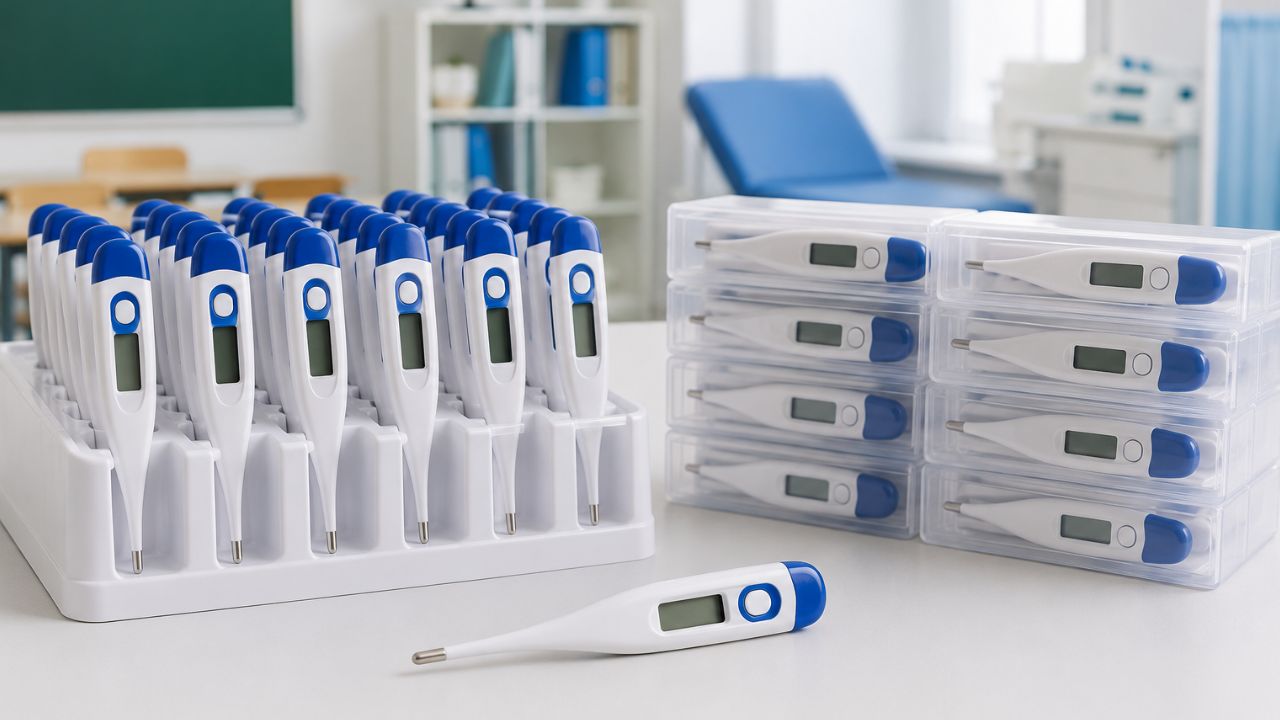
Temperature checks are now a daily ritual at schools and healthcare centers. When it comes to high-volume screening, the right bulk suppliers make all the difference. This guide will help you find trusted digital thermometer bulk suppliers for schools and healthcare centers. We’ll also list the types for clinical and commercial use.
The Benefits of Digital Thermometers in Schools and Healthcare
Schools and healthcare facilities carry out temperature checks daily. Bulk digital thermometers can run checks on several people at once. Some of the benefits are:
Accurate Readings
When calibrated devices are available in every classroom and exam room, you take the guesswork out, and every reading can be trusted to meet the clinical standard.
Safety
Standardized thermometers allow staff to adhere to the same procedures, ensuring that students and patients receive consistent, dependable care for the whole facility.
Efficient
A bulk supply allows multiple screening stations. It’s fast, and the readings come out correct.
Saves Cost
When you buy in large quantities, it saves shipping costs per unit and simplifies the procurement process. The benefits include:
- lower unit price
- less shipping cost
- Little purchase orders.
Simple Maintenance
With one device model, it makes training, repairs, and inventory management easy. Also, it makes calibration simpler because all the spare parts are identical.
Types of Temperature Devices for Institutions
The type of thermometer you should choose depends on your environment, screening size, and precision needs. Let us break down your options.
Infrared Forehead Thermometers for School Screening
These instruments have become universal in schools. They give measurements within one to three seconds without any contact. Students are told to just walk past a station, and staff hold the device up to their forehead at arm’s length. This speed and ease of use make infrared forehead thermometers ideal for schools.
You eliminate the risk of cross-contamination because you don’t touch a single student. Many units also have sound alerts and are backlit so you can see them in dark rooms. Some advanced units save as many as 32 recent readings.
Non-Contact and Touch-Free Thermometer
Non-touch thermometers also work on infrared technology. They have bigger screens and can measure from a distance. This type of digital thermometer is suitable for busy clinics, hospital intake stations, or banks with large queues.
In addition, you can screen patients quickly without stopping them from entering the facility. Many models have memory functions that allow you to store patient or student identification with their temperature reading.
Medical-Grade Digital Thermometers for Clinical Use
Medical-grade digital thermometers are the most accurate digital thermometers for clinical settings. They read temperature orally, axillary, or rectally, but this may vary according to the model. They provide accuracy to 0.1°F, which is necessary in clinical decision-making.
Bulk clinical digital thermometers for clinics and hospitals are available with probe covers, fever alerts, and historical data. Some even link directly with electronic health record systems, making documenting easier.
Infrared Thermometers for Hospitals and Clinics
Hospitals can now get bulk quantities of the infrared thermometers that can fill the high demand for continuous monitoring. They have advanced calibration features and can connect with hospital information systems (HIS).
Many hospitals have infrared thermometers at every entrance for patients and then confirm those readings with clinical thermometers as the situation demands. Also, bulk infrared thermometers for hospitals usually come with a strong warranty and calibration services.
Thermometers vs. Noncontact Options
Traditional digital thermometers are still useful in some cases. They are very accurate for single-patient measurements and perfect when contact measurement is clinically preferred.
The only downside is time. An oral reading takes 10 to 30 seconds, and you have to clean the thermometer after each use.
Traditional digital thermometers provide accurate readings when used in the mouth, ear, or under the arm. They are effective for single-patient use and deliver the highest level of accuracy that many clinicians rely on.
Non-contact forehead thermometers perform temperature checks in seconds, with no contamination risk. They also process large numbers, which makes them great for busy entry points.
Traditional thermometers need to be cleaned with care after each use, and this takes 10 to 30 seconds. If you bypass that step, germs may spread.
Non-contact versions may fail to detect mild fevers if the temperature is changing, and both are less reliable on sweaty skin. These thermometers don’t read temperature correctly on sweaty skin. Ideally, you should use them for a preliminary screen only.
Many hospitals carry both: the noncontact thermometer for rapid triage and then confirmation of a fever with a digital unit. Parents with little may prefer non-contact models for home use. However, a digital thermometer continues to be a useful tool for after a fever starts.
Digital Thermometer Bulk Suppliers: Top places to get from
Are you seeking high-quality medical products? Reliable medical device? You have trusted manufacturers and wholesale sites to buy from when you need them again. We’ll take a look at the big players.
Contec Medical Systems Co., Ltd.
Contec Medical Systems Co., Ltd. is a professional manufacturer of clinical medical devices. They offer value and affordable touchless infrared temperature guns, as well as clinical thermometers.
- Specialty: Clinical Medical Devices, Touchless Infrared Temperature Guns, Digital Clinical Thermometers
- Certifications: ISO, CE, FDA-authorized
- Bulk Platform: Made-in-China.com
Their products are FDA-approved and compliant with international safety regulations. You can place an order directly from their verified Made-in-China.com company profile.
Alibaba digital thermometer bulk suppliers
Alibaba is the leading B2B medical equipment supplier & dealer platform. It connects buyers to verified manufacturers across the globe.
Also, the platform simplifies the sources. And you can have access to thousands of certified suppliers on one site.
- Platform: The premier B2B sourcing marketplace
- Verified Manufacturer: Shenzhen Aoj Medical Technology, Hangzhou Hua’an Medical
- Benefits: Direct manufacturer connections, bulk pricing, trade assurance.
AdvaCare Pharma Inc.
AdvaCare Pharma is one of the most respected international medical equipment manufacturers. They are the manufacturers of the QualityFirst brand and AccuQuik™ products.
- Product range: AccuQuilt™ diagnostic series
- Qualifications: CE/ISO-approved digital clinical thermometer
- Market presence: Across the globe in 65+ countries
They have a global presence, so you can count on delivery. You get the advantage of their global reach.
go4WorldBusiness digital thermometer bulk suppliers
go4WorldBusiness is a top global trade site as well as a global trade platform. It allows you to source directly from verified wholesale suppliers and export manufacturers.
- Specialization: Providers of digital thermometers
- Verification: Verified Wholesale Suppliers
- Service: Buyer to Direct Manufacturer Connection
This platform makes your purchase easy. You are exchanging with pre-screened manufacturers.
Procurement and Sourcing Guide
Know What You Want
How long do you need to screen? How many temperature measurements should you take each day? What level of accuracy do you require? Does the thermometer have the data logging function needed for the health records? Will the thermometers be integrated with the existing clinic/school health system?
These are questions you must answer first.
Schools need a device that is easy to use. However, hospitals require high-end features that produce accurate readings and can link with electronic health records.
Quantity
Know your exact needs based on the size of your building, population, and how often you screen. Many suppliers have volume discounts for larger orders; the larger you buy, the lower the cost. But some facilities organize purchasing cooperatives to take advantage of volume discounts.
Certification, Compliance, and Verifications
Ensure your suppliers are ISO/IEC compliant and have medical device classifications for your region. Ask for evidence of certification and verify that the products are in compliance with the local health regulations. ISO certified clinical thermometer providers have proven that they have quality management systems in place.
Request the suppliers’ certificates for calibration and accuracy tests. Trusted manufacturers and suppliers have good documentation to prove that each of their devices can meet the accuracy requirements specified. That paperwork is important when you have to do compliance audits and quality assurance programs.
Warranty, Service, and Support
Select vendors that provide full warranties against defects and breakdowns. Verify: calibration services available to keep accuracy up-to-date. Know the replacement policies—what do you do when your equipment fails? How fast can you get replacements?
Uptime guarantees are important in healthcare, where equipment failure has immediate consequences for patient care. Find vendors with a track record of success in serving institutions.
Information Privacy and Data Integration
If your school uses electronic health records (EHR) or a school health tracking system, check for thermometer compatibility. Some devices provide Bluetooth connectivity to transfer data easily. Make sure that any processing of data is compliant with the privacy requirements, whether that be HIPAA or FERPA.
Standards Safety and Compliance
ISO-certified clinical thermometer vendors make sure products are up to quality standards that are accepted globally. These certifications indicate that the processes used to manufacture the products are consistent and that the products do what the company says they do.
Focus on suppliers with a proven track record of ISO certification when you evaluate potential suppliers.
Safety measures to handle and clean the devices have been established. Set clear instructions on how to clean and store when not in use, particularly if you are using a contact thermometer.
Ensure you have sufficient stock of probe covers and cleaning solution. Teach everyone proper protocol and post reminders in screening locations.
Battery life and display contrast are important for daily use. Select products with long battery life to minimize replacements.
Make sure that the displays are readable under different lighting conditions (e.g., bright sunshine, darkness). Consider accessibility for visually impaired users.
Comparison of price for value
Full cost visibility enables buyers to decide on the best value when buying in bulk.
- The total cost of ownership (TCO) is much more than the per-unit price. Include shipping fees, which could be different according to the quantity and the location.
- Consider the costs of the warranty and potential calibration costs for the device.
- And if applicable, factor in the cost of replacing batteries, as some products need to be changed regularly.
- Take note: The lowest unit price may not be the best deal when quality and support are factored in.
- Return policies and fault rate benchmarks matter when buying in bulk.
- Check return processes before you order in volume.
- Inquire about historical fault rates on particular models.
FAQs About: Digital Thermometer Bulk Suppliers
1. How many thermometers should we stock per building?
Stock at least one thermometer per classroom or exam room, with additional units as backups. Estimate by building size and anticipated volume for screening. Institutions usually find 10-20% spares cover replacements and peak demand well.
2. Are non-contact thermometers as accurate as contact ones?
If used correctly, non-contact thermometers will give you accurate results. Accuracy can be influenced by environmental conditions such as temperature and the technique of the operator. For many screening use cases, non-contact devices provide adequate accuracy.
3. What maintenance is required for bulk orders?
Routine cleaning is necessary for all types of thermometers. Contact thermometers must be cleaned after each use. Infrared thermometers need to be calibrated from time to time.
Develop maintenance schedules and maintain records for compliance. Train employees to perform simple problem-solving on frequent problems.
4. What are the best devices for rapid screening in schools?
Infrared forehead thermometers provide the quickest screening time and are very effective in school environments. Their non-contact design enables mass screening without leading to congestion. Some schools report that two to three devices per entrance station are sufficient to get through the morning screening.
5. What certifications do we need to check for when choosing a supplier?
Focus on ISO certification for quality management, CE marking for compliance with European requirements, and FDA registration for access to the U.S. market.
Regional certifications differ; confirm what is needed for your region. Proof of these certifications should be easily attainable from genuine suppliers.
Read also: Sourcing Medical Equipment’s Online: How to Verify Genuine Suppliers
Final Thoughts: Digital Thermometer Bulk Suppliers
Your order of bulk digital thermometers helps schools and healthcare centers run safer and more efficiently. Thermometer procurement needs to focus on certain types of thermometers from known vendors and include best practice guidelines for procurement.
The trick is to identify your needs and then narrow down your choices between product types and then find suppliers with quality certification and large institutional support.
Buying in bulk helps you save money. You get wholesale prices, and you build dependable supply chains. They make sure the quality is good through checks. However, ask for samples from prospective suppliers before you order large quantities.
These producers and platforms deliver high-quality results for your medical device requirements. Consider each option thoroughly. Select the one that fits your organization, needs, and amount. So, connect with these reliable suppliers now.
For further assistance, send your comments. Use any of the channels below. And subscribe for more medical updates.
-
 Wearable Health9 months ago
Best Portable Health Monitoring Devices for Travelers (Compact and Reliable)
-

 Diagnostic & Hospital Equipments8 months ago
Blood Pressure Monitor Problems: Common Errors and How to Fix Them
-
 Wearable Health8 months ago
How to Get Accurate Heart Rate Readings from Wearables (Best devices compared)
-
 Review and guides9 months ago
CPAP Machines Buying Guide: The Best Models Doctors Don’t Recommend
-
 Wearable Health8 months ago
Best Smartwatches for Health Tracking: Features that Actually Matter
-
 Diagnostic & Hospital Equipments5 months ago
Top Professional Syringe Infusion Pumps for ICU Setups
-
 Diagnostic & Hospital Equipments5 months ago
Best Surgical Microscopes for Precision Procedures (Top Brands)
-
 Diagnostic & Hospital Equipments9 months ago
Upper Arm vs. Wrist Blood Pressure Monitors: Which Should You Buy?