
Wearable Health
How to Get Accurate Heart Rate Readings from Wearables (Best devices compared)

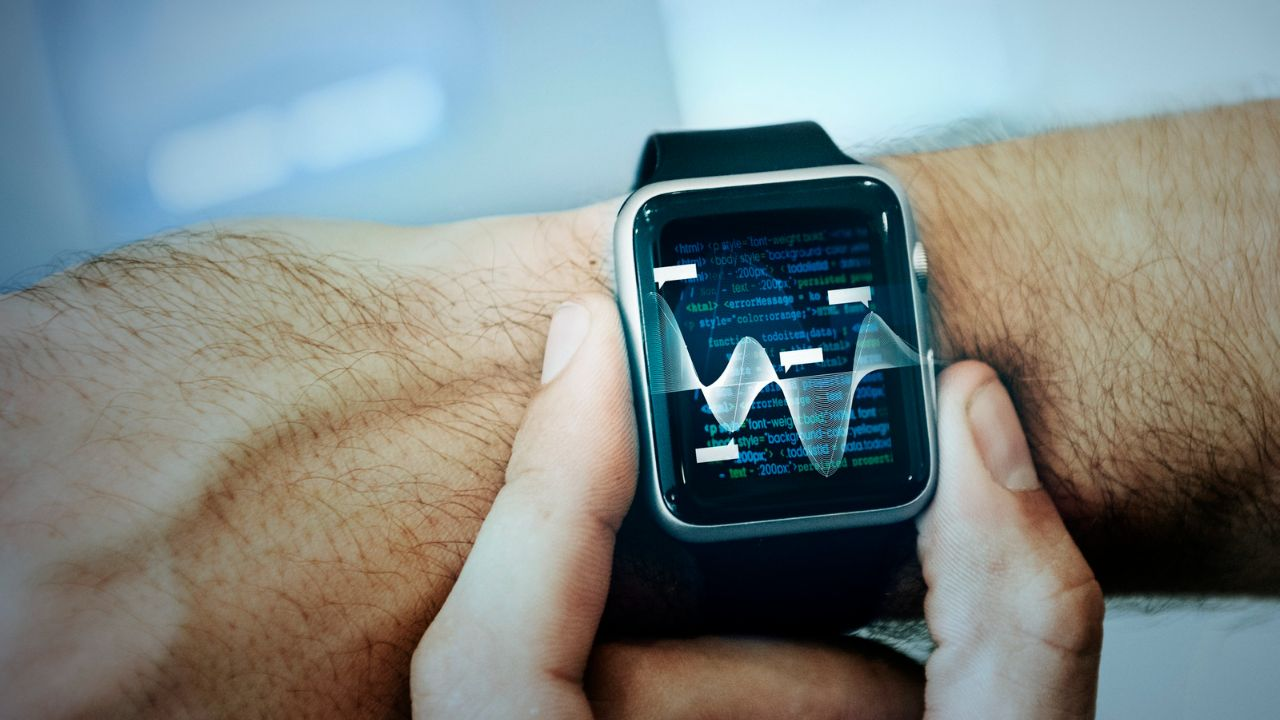
Monitoring heart rate has become an integral part of fitness and health management, with millions of people using wearable devices to track their heartbeats, observe recovery, and monitor their health over time. But if you don’t know how to use it, it can provide inaccurate readings. You will find out how to get accurate heart rate readings from wearables and the best wearable devices for monitoring heart rate.
Most of these challenges arise from sensor technology, and algorithm design. The good news is that you can get accurate readings without having to buy a new or expensive device.
In this article, we’ll explain what it takes to capture the actual heart rate data and list the best devices and their uses.
What is heart rate?
Heart rate, measured as the number of heart beats per minute (BPM), is an important biological indicator. It differs according to factors, such as
- Physical Activity Level: Heart rate accelerates during exercise and slows down during rest.
- Emotional Condition: Stress, joy, and anxiety can increase heart rate.
- Health Conditions: The presence of fever or dehydration can influence heart rate.
- Importance of Reliable Heart Rate Readings
- Reliable heart rate tracking is important for several reasons:
- Exercise Tracking: Helps measure exercise intensity and results.
- Health Status: May show signs of underlying health conditions, such as arrhythmias or other heart problems.
- Customized Training: Knowledge of heart rate zones can maximize exercise efficiency and recovery.
Heart Rate Zones
- Resting Zone: 60-100 BPM (normal resting heart rate).
- Fat Burn Zone: 50-70% of maximum heart rate; best for weight reduction.
- Cardio Zone: 70-85% of maximum heart rate; best for improving fitness.
- Peak Zone: 85-95% of maximum heart rate; best for intense exercise.
Also read: Best Portable Health Monitoring Devices for Travelers (Compact and Reliable)
How Wearables Measure Heart Rate
Wearable devices use photoplethysmography (PPG), which measures changes in blood volume at the skin surface using light. With each heartbeat, blood flow increases, altering the amount of light reflected to the sensor. Algorithms then process this data to estimate your beats per minute (BPM).
Although PPG is effective, it has limitations:
- It can affect movement
- Sensor placement (tight vs. loose) affects accuracy.
- Skin tone, tattoos, and arm hair can interfere with optical detection.
Heart Rate Measurement Technologies in Wearables
Optical Sensors
These sensors use light to track blood flow under the skin, which is common in fitness trackers and smartwatches. Light is emitted onto the skin, and the amount absorbed, which varies with blood flow, is measured.
Electrocardiograms (ECG)
Advanced wearables can record the heart’s electrical signals, providing more precise heart rate readings and the ability to detect certain cardiac conditions, like in the Apple Watch Series 8.
Chest Straps
These use electrodes to measure heart rate directly from the heart. It offers high accurate readings which is why many athletes prefer it.
Factors That Affects Accuracy
- Fit and Positioning: Proper fit is vital; a loose or bad device can cause errors.
- Skin Tone and Thickness: Thicker skin may reduce optical sensor reliability.
- Motion Artifacts: High-intensity movement can distort readings.
- Environmental Conditions: Temperature and humidity can affect the performance of the sensor.
How to Get Accurate Heart Rate Readings from Wearables
1. Ensure it fits properly
- Wrist: The band should be snug but allow one finger underneath.
- Chest Strap: Position below the chest muscles and moisten for conductivity.
2. Calibrate Your Device: Input accurate age, weight, and fitness level to improve readings.
3. Reduce Motion: Control movement during measurement; for running or cycling, chest straps may be more accurate than wrist devices
4. Monitor Environmental Factors
Extreme heat and humidity must be considered. In these situations, tracking heart rate indoors may provide more accurate readings.
5. Regular Updates
Make sure that the software on your device is always updated in order to take advantage of the latest improvements.
6. Use Heart Rate Recovery Metrics
Tracking heart rate recovery after intense exercise can provide information about your cardiovascular fitness.
7. Avoid Alcohol and Stimulants
Alcohol and stimulants can raise your heart rate. To ensure your readings are accurate, avoid these substances before checking your heart rate.
Best Wearable Devices for Accurate Heart Rate Monitoring
Polar H10 Chest Strap

The Polar H10 is a chest strap heart rate monitor known for its accuracy and reliability. It uses ECG technology to deliver real-time heart rate information.
Uses
- Training: It’s good for athletes who want accurate heart rate training data.
- Health Monitoring: To monitor heart health and cardiovascular fitness.
Pros
- High Accuracy: It delivers accurate heart rate information using ECG technology.
- Compatibility: It is compatible with all fitness apps and devices.
- Memory Feature: It has a memory feature that allows users to track heart rate information even when the smartphone is not connected.
- Water-Resistant: It is water-resistant and can be used for swimming and other water activities.
Cons
- Comfort: It can be uncomfortable to wear for a long time.
- Setup: It requires setup, which includes connecting it to a smartphone or fitness device.
- Price: It is more expensive than other heart rate monitors.
Apple Watch Series 10 / Ultra 2+
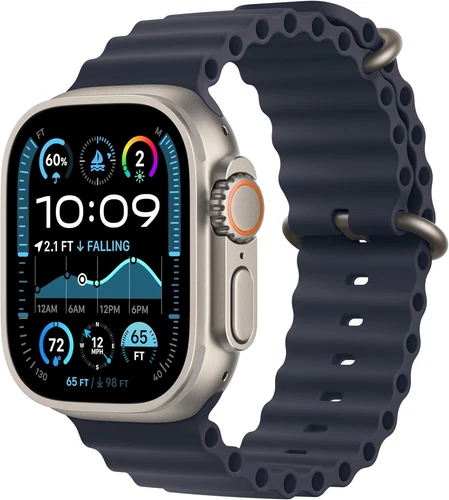
The Apple Watch Series 10 and Ultra 2+ are high-end smartwatches that come with a wide range of health tracking features, including heart rate monitoring, ECG, and fitness tracking.
Uses
- Fitness Tracking: It allows users to track their workouts, daily activity, and heart rate during various exercises.
- Health Monitoring: Its ECG and blood oxygen level tracking features help users monitor their cardiovascular health.
Pros
- Comprehensive Health Metrics: It comes with a wide range of health tracking features.
- User-Friendly Interface: It has a user-friendly interface that is easy to navigate and understand.
- Third-Party Apps: It supports a wide range of third-party apps that allow users to track their fitness and health information.
- Notifications and Connectivity: Allows calls, texts, and notifications to be received directly on the watch.
Cons
- Battery Life: Needs to be charged daily with frequent use.
- Price: High-end pricing may not be affordable for everyone.
- Size and Weight: May be too bulky for some users to wear daily.
WHOOP (Latest)

The WHOOP is a subscription-based fitness tracker that specializes in recovery and strain tracking. The latest version of the WHOOP features sophisticated heart rate tracking, sleep analysis, and recovery analysis.
Uses
- Recovery Analysis: Aids in understanding the user’s level of recovery and trains them accordingly.
- Fitness Analysis: Analyzes the intensity of workouts and the overall fitness level of the user.
Pros
- In-Depth Analysis: Provides in-depth information about heart rate variability, sleep patterns, and recovery levels.
- All-Day Wear: Features a comfortable design that allows you to wear all day.
- Community Tools: Allows users to connect with friends.
Cons
- Subscription Service: The monthly subscription fee may be a turn-off for some users.
- Limited Display Functionality: Does not have a traditional watch face instead depends on the app for information.
- Requires Smartphone App: Requires users use the smartphone app to access the full functions.
Fitbit Charge 6
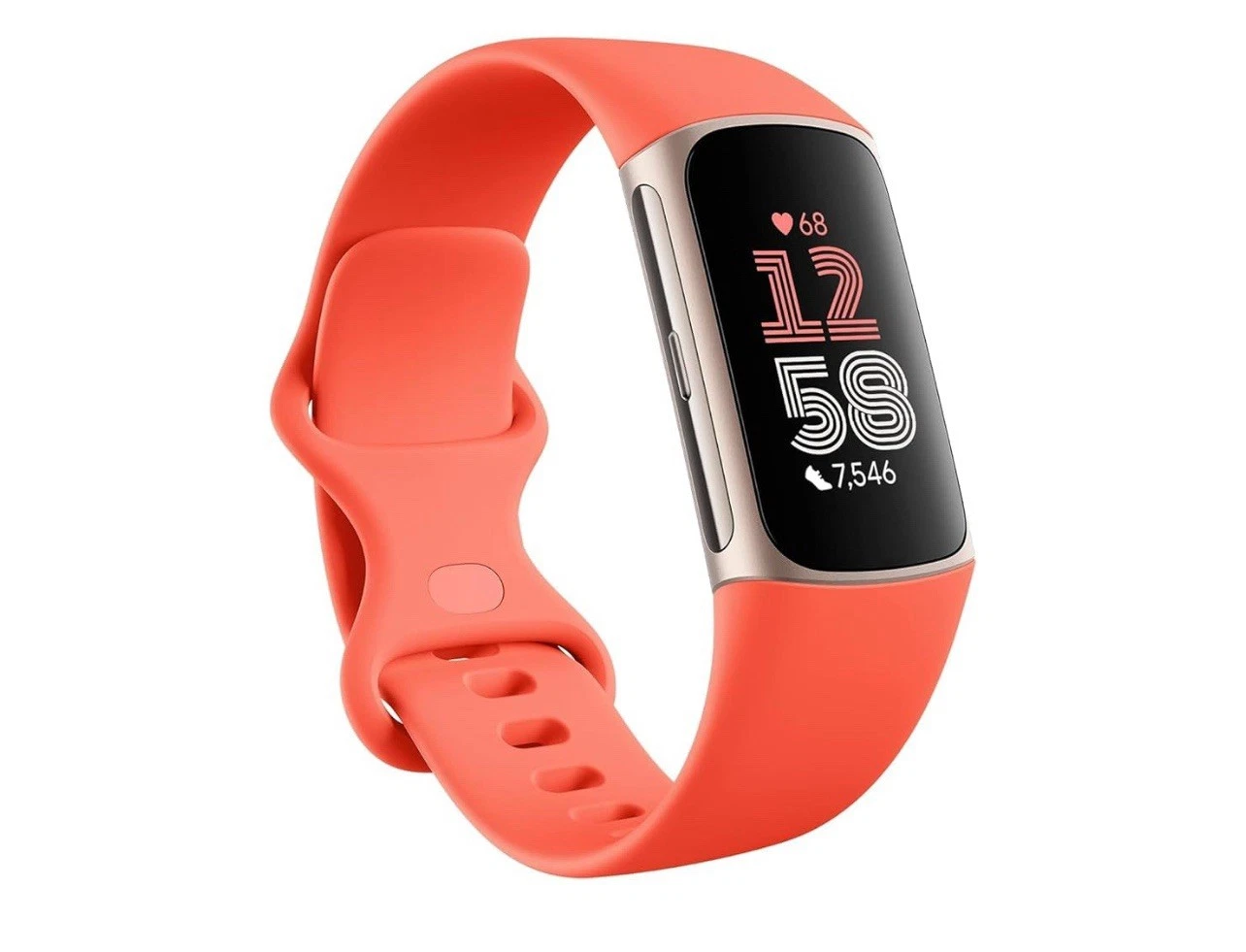
The Fitbit Charge 6 is a multi-functional fitness tracker that provides heart rate monitoring, sleep analysis, and other health information. It has a sleek design and plenty functions.
Uses
- Daily Activity Tracking: Tracks daily steps, calories, and other daily activities
- Fitness Tracking: Tracks workouts and heart rate during exercise.
Pros
- User-Friendly Interface: Easy to use
- Long Battery Life: Can last after charging it
- Community Features: Users can engage with friends
- Health Insights: Provides sleep patterns and stress levels.
Cons
- Limited Smartwatch Features: Lacks advanced smartwatch capabilities
- Accuracy in Intense Workouts: May be less accurate during high-intensity activities.
- Subscription for Premium Features: Some advanced analytics require a subscription.
Garmin Venu Series

The Garmin Venu Series is a line of smartwatches designed with an advanced heart rate monitoring, GPS tracking, and a range of health metrics.
Uses
- Fitness Tracking: Track various workouts, including running, cycling, and swimming.
- Health Monitoring: Monitor heart rate, stress levels, and sleep quality.
Pros
- High-Quality Display: Has AMOLED display
- Variety of Sports Modes: Supports different sports and activities
- Battery Life: Long battery life, especially in GPS mode.
- Music Storage: Can store music offline.
Cons
- Price: Higher than some other fitness trackers
- Complexity: Not beginner-friendly
- Size: Some users may find it too big for everyday wear.
Polar Upper-Arm Sensors

Polar’s upper-arm sensors are designed for accurate heart rate monitoring during workouts. They are ideal for athletes who prefer not to wear chest straps.
Uses
- Fitness Training: Offers reliable heart rate information during different exercise activities.
- Health Monitoring: Helps monitors your heart health.
Pros
- Comfortable to Wear: Easy to wear on the upper arm, making it comfortable during exercise activities.
- High Accuracy: Has advanced sensors to deliver accurate heart rate information.
- Compatibility: Connects with different fitness apps and devices.
Cons
- Size: Less discreet compared to other wearables like fitness trackers on the wrist.
- Limited Functionality: Specific for tracking heart health without using a smartwatch.
- Expensive: Not affordable compared to other basic heart rate monitors.
Oura Ring Gen 4

The Oura Ring Gen 4 is a smart ring that provides comprehensive health tracking features, such as heart rate monitoring, sleep tracking, and activity tracking. The Oura Ring Gen 4 is discreet and stylish.
Uses
- Sleep Tracking: Helps track sleep quality and duration.
- Activity Tracking: Tracks daily activities and heart rate during exercise.
Pros
- Compact and Stylish: Discreet design
- Comprehensive Health Information: Provides comprehensive health information on sleep, readiness, and overall health.
- Long Battery Life: Has a battery life of up to a week
- Customizable: Allows users to set up their notifications.
Cons
- No Screen: Does not have a screen for real-time information; instead, it relies on the mobile app for data.
- Expensive: More costly compared to other fitness trackers.
- Fit Issues: There could be a need to ensure a proper fit for the readings to be accurate.
Other Factors to Consider
- Comfort: The device should be comfortable to use on a day-to-day basis, especially during exercise.
- Compatibility with your current fitness apps and devices.
- Long-Term Value: Assess the value based on features, lifespan, and possible subscription fees.
Read also: Best Medical Alert Systems for Seniors: Top Picks for Safety
Best Heart Rate Tracking Wearables Compared
Below is a data-supported comparison of leading wearables based on multiple research sources and validation studies:
Device Heart Rate Accuracy Best Use Case Notes
| Polar H10 Chest Strap | ⭐⭐⭐⭐⭐ (Highest) | Heart rate training, clinical accuracy | ECG gold standard. Best for performance and research. |
| Apple Watch Series 10 / Ultra 2+ | ⭐⭐⭐⭐ | Daily and active fitness | Accuracy in meta studies vs ECG. |
| WHOOP (latest) | ⭐⭐⭐⭐ | Recovery and strain monitoring | Independent study reports excellent HR and HRV accuracy. |
| Fitbit Charge 6 | ⭐⭐⭐ | General health tracking | Good, but susceptible to motion during intense exercise. |
| Garmin Venu Series | ⭐⭐⭐ | Outdoor and multisport | Modest HR accuracy compared to Apple. |
| Polar Upper-Arm Sensors | ⭐⭐⭐⭐ | Sports and lab-level precision | Upper arm placements outperform some wrist devices. |
| Oura Ring Gen 4 | ⭐⭐⭐ | Sleep and resting HR | Excellent for resting RHR and HRV. |
Highlights:
- Chest straps such as the Polar H10 are still the most accurate devices available. They record electrical signals, not optical signals.
- Apple Watch devices are always the top-performing devices among the wrist-worn devices. They have a strong correlation with ECG readings during different activities.
- WHOOP devices have a high level of validity for HR and HRV, particularly during sleep and recovery phases.
- Upper-arm optical devices (such as the Polar Verity Sense) may perform better than wrist devices under certain circumstances, especially during activities with high motion intensity.
- Fitbit and Garmin devices are good; however, the chances of showing errors during high activities are higher compared to Apple devices.
How to choose the correct Wearable Device
- For Casual Users: Devices such as the Fitbit Charge 5 or the Garmin Forerunner 245 are perfect for tracking overall healt.
- For Serious Athletes: The Polar H10 or the WHOOP Strap 3.0 will give you the necessary data for advanced training.
- For Everyday Use: Apple Watch Series 8 and Samsung Galaxy Watch 5 are perfect for those looking for a balance between smartwatches and health tracking.
The Importance of Software and Apps
- The usefulness of your wearable device depends on the software that comes with it. Most devices come with apps that help you to:
- View historical data.
- Set fitness goals.
- View performance trends over time.
Select a device that comes with an app that is easy to use and provides you with the necessary functions to analyze data.
Privacy and Data Security
Because wearables store sensitive health information, it is important to check the privacy policies of the device manufacturers. Make sure that your data is safely stored and that you have control over what information is shared with third parties.
Future Trends in Heart Rate Tracking
- The wearable technology industry is still evolving. Some trends to look out for in the future include:
- Combination with Other Health Metrics: Future devices could offer a more comprehensive health tracking experience that combines heart rate information with sleep patterns, stress, and nutrition.
- Machine Learning and AI: Future devices could use advanced algorithms to provide users with personalized information and forecasts.
- Wearable ECG Technology: Most devices may have ECG functions.
Conclusion: How to Get Accurate Heart Rate Readings from Wearables
If you are serious about fitness and health, having an accurate reading of your heart rate through a wearable is not optional. With the right gadget, a good fit, and these smart tips, you can get accurate heart rate readings
As a busy person or a professional, you will be confident enough to take good care of your health after reading this article on how to improve your well-being.
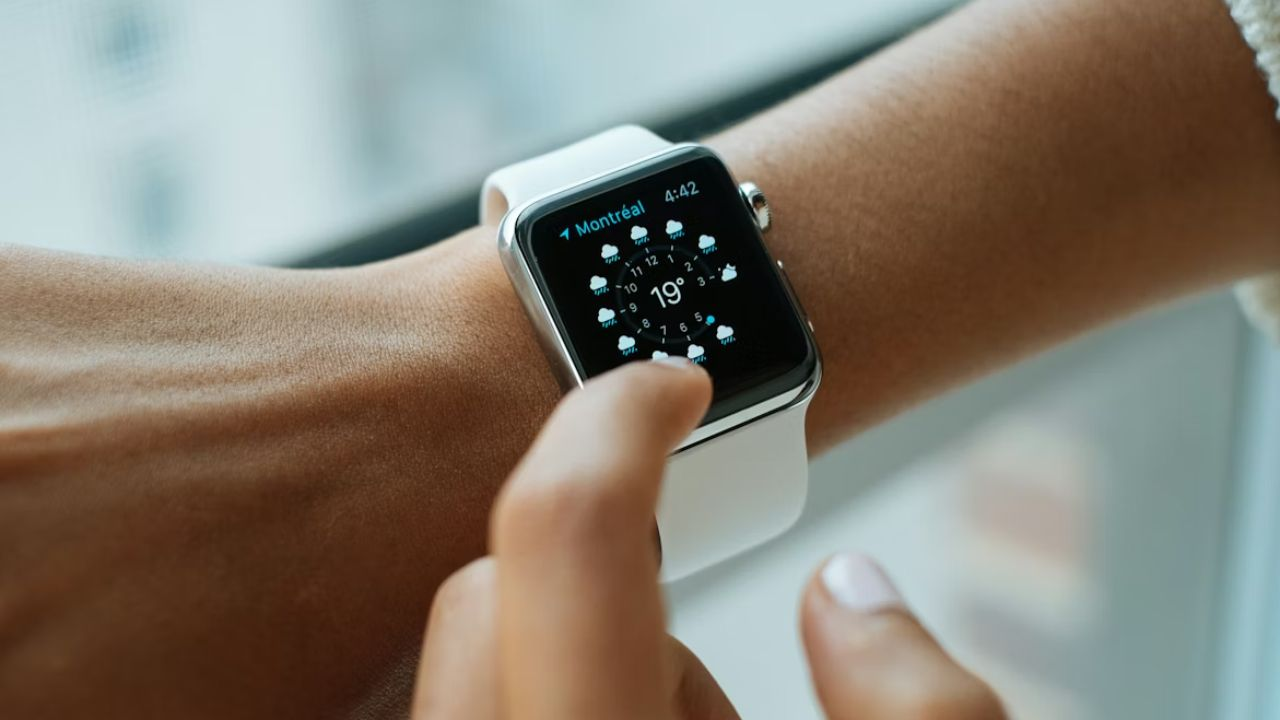
Smartwatches are fast becoming a daily health essential. People use it for different reasons. For me, I monitor my sleep patterns and glucose levels with a smartwatch. Hear this from me: you can have a smartwatch and not know how it works. And the features in some are superior to others. Do you care to know the best smartwatches for health tracking? Alright, they are below.
There are several smartwatches out there. If you go by the name, the smartwatch device is indeed smart. It is one of the wearables you can use to track and monitor your health. As a fan of this device, I have used five different watches, and they turned out fine. If you are planning to buy anytime soon, after reading this article, you will surely make your choice.
In this guide, I will list the features that really matter, not just for buying’s sake. Let’s get into it.
What is the Best Smartwatches for Health Tracking all About?
Before I list my favorites, let me clarify what I consider best.
A reliable health-tracking smartwatch doesn’t just count steps. It:
- Monitors heart health (ECG/heart rate variability)
- Gives true sleep insights
- Tracks stress or recovery signals
- Logs workouts automatically
- Gives accurate prompts
So What does a Smartwatch Do?
Sadly, some people buy a smartwatch just for the sleek design. Owning one is good; however, you should understand the importance. Smartwatches are not your regular watches. These are specifically for health purposes. These gadgets track much more than shallow activity and the specifics can actually change how you live.
Your watch tracks your heart rate at every moment, not just when you exercise, but also when you’re sitting, sleeping, or anxious. It also monitors sleep cycles such as light, deep, and REM, which are more informative than simply “7 hours slept.” I used to wake up tired, and I told myself it was just because I was not sleeping enough. But the data led me to the conclusion that
I was not getting enough deep sleep. Once I fixed my nighttime routine, my mornings were transformed. Maybe you’ll learn the same if you look beyond the total hours. Then there is heart rate variability (HRV), stress tracking, blood oxygen, skin temperature trends, and recovery data.
Trust me, these are not ordinary bells and whistles. They tell you how your body handles stress and how quickly you recover, and if you are working too hard. I’ve learned to hold off on hard workouts when my recovery score is down, and you probably should too.
The true value of it isn’t in those numbers themselves. It’s in the patterns. Regularly wearing a watch establishes a baseline of what’s normal for you. And all you have to do is know what normal looks like. For example, heart rate variability is a measure of how your body handles stress.
If your HRV dips for days, what your body is telling you is to rest, get some fluids, or get some good sleep. The Sleep stage monitoring shows if a person is getting enough deep and REM sleep, and not the hours the person spends in bed. That explains why sometimes you can wake up feeling weak even if you slept for 8 hours.
Now, these 5 best smartwatches for health tracking I am going to share with you are recommended by health experts and are suitable to use daily.
5 Best Smartwatches for Health Tracking
Apple Watch Series 11
Why It’s One of the Best Smartwatches for Health Tracking
When I first strapped on the Apple Watch Series 11, I knew it was solid—but I didn’t know how it would integrate into my everyday health routine.
This watch doesn’t just track data, it interprets it in ways I actually understand. And that’s the key difference between a tracker and a health companion.
Features
- Advanced Heart Monitoring
- The Apple Watch Series 11 delivers:
- Continuous heart rate monitoring
- ECG on demand, you use it to check irregular rhythm.
- AFib notification alerts the user if something needs urgent medical attention.
Sleep Stages & Sleep Trends
Instead of just saying “you slept 7 hours,” it breaks down your the sleep activity into:
- REM
- Deep Sleep
Temperature Sensor & Trend Analysis
Temperature trends help identify subtle shifts in your physiology and it check:
- Cycle tracking
- Detects fever or inflammation patterns.
Understanding the overall recovery
It doesn’t just show numbers, it surfaces trends that actually mean something.
Mindfulness & Stress Insights
- Breathing prompts when your heart rate variability dips
- Mindful cooldown tips after stressful days
- This gave me more mental balance.
Google Pixel Watch 3 For a seamless health tracking experience

Why it is among the best smartwatches for health tracking
When Google announced the Pixel Watch 3, I wasn’t sure it would rival Apple or Garmin; but after wearing it for weeks, it’s one of the most intuitive health watches.
It balances accuracy with simplicity. If you need a smartwatch that is not too complicated, I suggest you go for this.
Features:
- Heart & ECG Monitoring
- Like the Series 11, the Pixel Watch 3 brings:
- Continuous heart rate tracking
- On-demand ECG
- Irregular heart rhythm notifications.
Fitbit-Powered Fitness & Recovery
Since Pixel uses the Fitbit health engine, it can show:
- Personalized Daily Readiness Score
- Recovery recommendations based on sleep & activity
- Stress score integration
Sleep & Rest Metrics
Pixel Watch 3 measures:
- Sleep duration
- Sleep stages
- Restfulness score
I loved the sleep post-analysis and how it connects sleep quality with activity levels. You can see that displayed on the screen.
Wellness Dashboard
Google’s wellness dashboard makes you access your health stats, trends, and tips on your phone.
Garmin Venu 4: The Athlete’s Health Tracking Companion
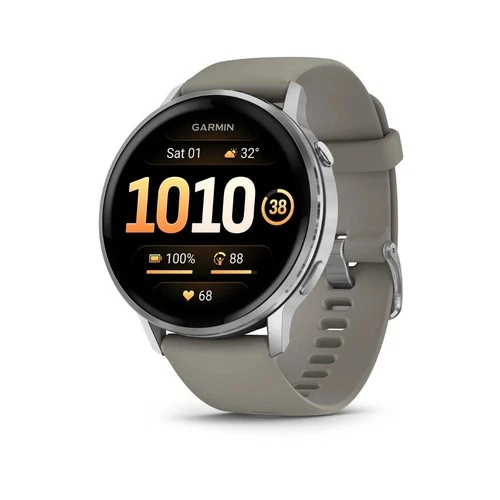
Garmin has always been a leader in fitness accuracy and the Garmin Venu 4 is a name you can trust. health metrics and seamless daily tracking.
This watch is not one of the best designs; however, it serves its functions
What Sets It Apart
- Advanced Body Metrics Tracking
- Body Battery™ Energy Monitoring tells you how much you can give vs. how much you need to rest
- HRV (Heart Rate Variability), deeper insight into stress & recovery
- All-day respiration data
- This isn’t just numbers, it tells you how your lifestyle choices affect your body in real time.
Workout Detection & Performance Metrics
Garmin detects workouts automatically without you clicking anything and offers deep performance data like:
- Pace dynamics
- Training effect
- VO2 max estimation
- This is gold for anyone serious about performance and health.
- Sleep Tracking & Sleep Score
Garmin’s sleep analysis explains how long a person spent in:
- Light
- Deep
- REM sleep
Stress & Relaxation Insights
Garmin uses HRV to generate a dynamic stress score and pairs it with guided breathing exercises.
Why did I include it in my list?
After stressful weeks, my Body Battery score was consistently low. The watch didn’t just show me stats it encouraged strategic rest. I cut back my HIIT sessions for a few days and recovery improved visibly.
Samsung Galaxy Watch 8—A Balanced Health Tracking All-Rounder

Why It’s One of the Best Smartwatches for Health Tracking
Samsung’s Galaxy Watch line keeps refining what health tracking means and the Galaxy Watch 8 feels like the most improved version yet.
It’s sleeker than Garmin, and Android-friendly compare to the Apple smartwatch.
Features
- Heart Rate & ECG
- Similar to others, Galaxy Watch 8 gives:
- Reliable heart rate data
- ECG on demand
Stress Management Tools
Galaxy Watch 8 tracks stress using HRV all day and suggests:
- Breathing exercises
- Mindfulness moments
- Relaxation reminders
Built-In Workout & Health Tracking
- From walking to cycling to rowing
- Automatic workout detection
- Deep calorie burn estimates
- Recovery guidance.
It’s not just a fitness band it’s a health partner.
Sleep Tracking with Snore Detection
What stands out here:
- Sleep stage breakdown
- Snore tracking
- Sleep health suggestions
The BP Doctor Fit
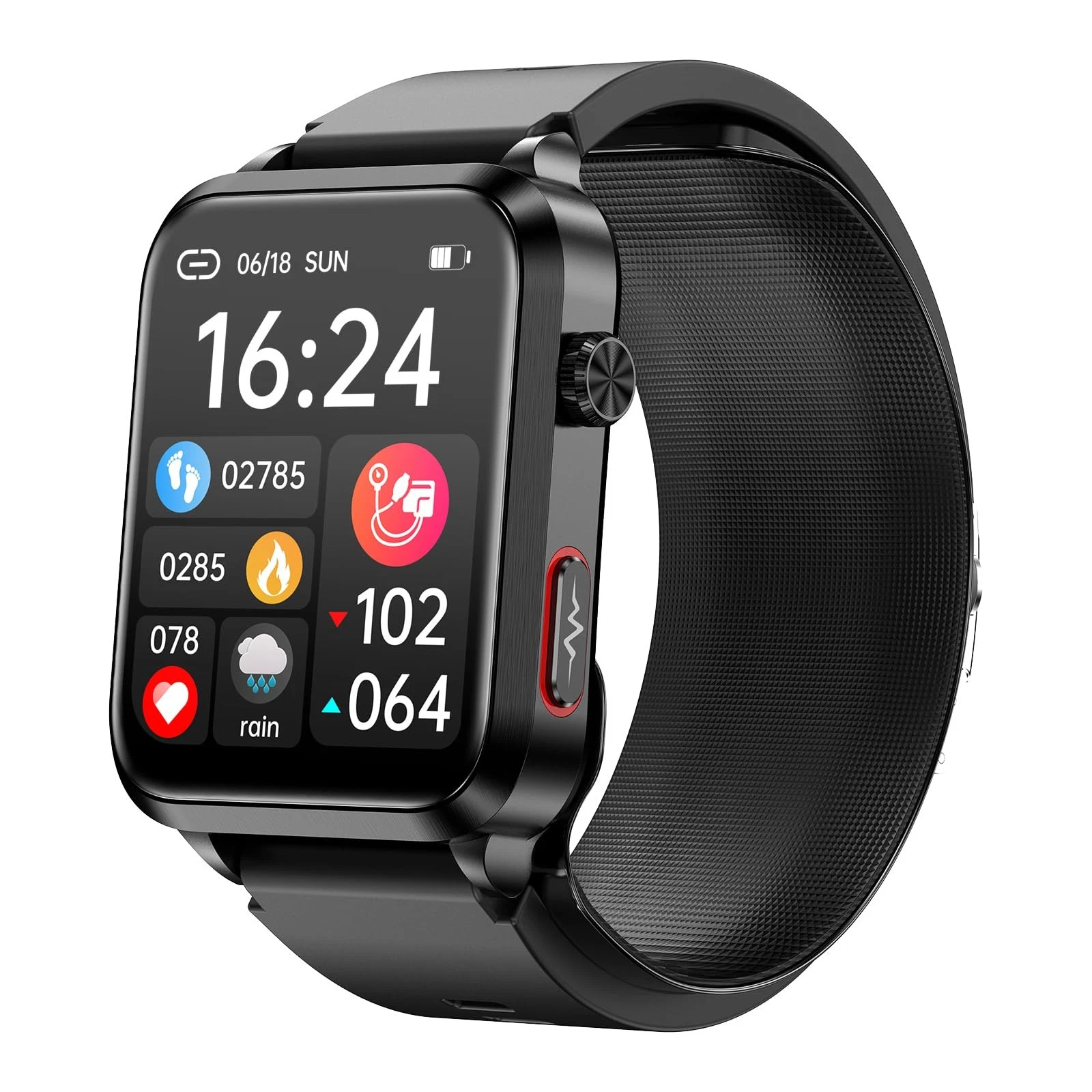
If you want something affordable, I recommend the YHE BP Doctor Fit. It’s simple and affordable but its health features deliver value that matters, especially if you’re on a budget.
Features
Heart Rate & Blood Pressure Monitoring
- This watch shines where many budget options fail:
- Real-time heart rate
- Blood pressure readings
- Regular health trends are reported clearly.
- Not as advanced as Apple or Garmin; however, it is reliable and consistent.
Sleep Monitoring
It tracks:
- Total sleep duration
- Light vs. deep sleep
- Sleep quality rating
- For casual health tracking, it’s unexpectedly insightful.
Activity Tracking
You get:
- Step counting
- Distance tracking
- Workout modes
- Nothing fancy but it covers the essentials accurately.
Alerts & Reminders
The YHE BP Doctor Fit keeps you on track with:
- Activity reminders
- Hydration nudges
- Inactivity alerts.
These small prompt is vital especially for people on long workdays.
For daily health awareness, this watch seriously delivers. The blood pressure feature is useful if you need a quick read.
Choosing The Best Smartwatches for Health Tracking
- Apple Watch Series 11: Comprehensive Apple health tracking, most polished insights, and perfect for iPhone users
- Google Pixel Watch 3: Balanced everyday tracking, comfort, simplicity, and the Fitbit ecosystem
- Garmin Venu 4 Athletes & data enthusiasts Deep metrics, performance, and recovery focus
- Samsung Galaxy Watch 8 Android users who want versatility, great health tracking, and rich features
- The BP Doctor Fit Budget-minded health tracking Reliable basics + useful BP tracking.
Read also: How to Get Accurate Heart Rate Readings from Wearables (Best devices compared)
Final Thoughts: What Matters in a Health Smartwatch
The best smartwatches for health monitoring are not necessarily those expensive or with big sensors, but the ones that can provide you the basic health information. After I used these gadgets, I can say that each of them has something worthwhile to offer. It’s like finding that value and matching it to your lifestyle.
Note: These are just recommendations. You can research more to see if you can get something better because what is best for me, may be off for you. I hope you find something better.
Kindly like and share on your social media pages.
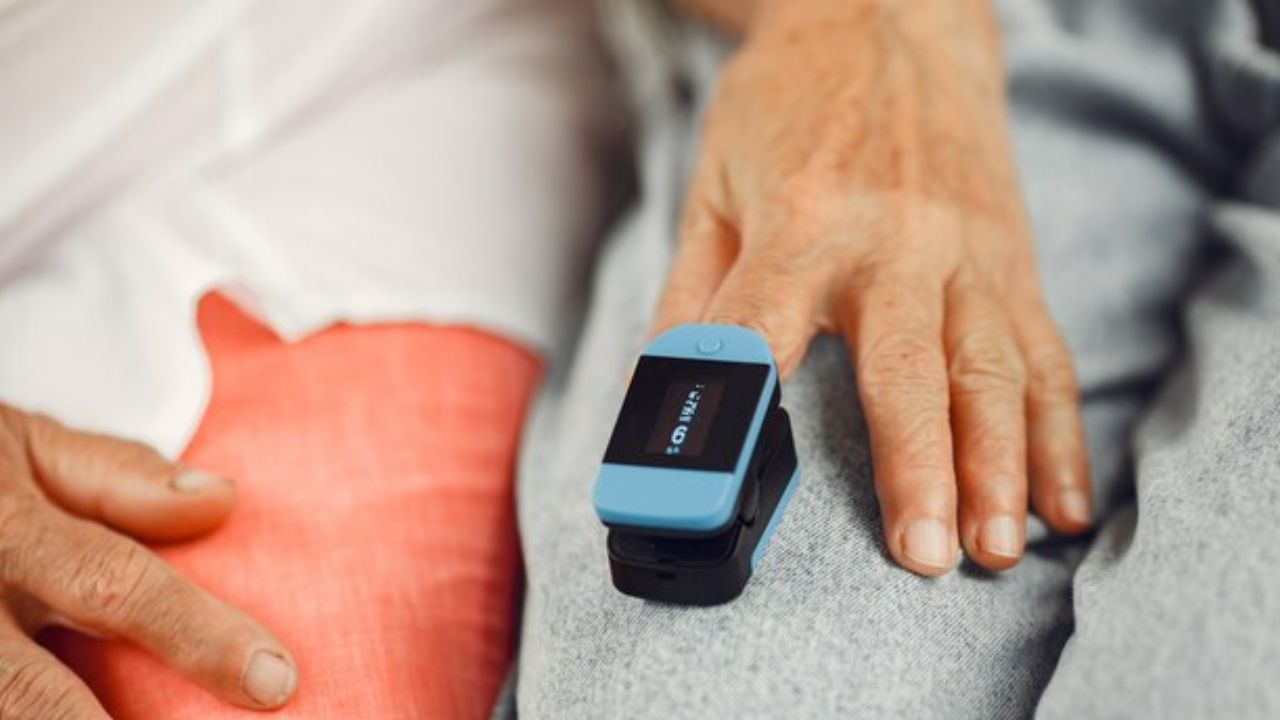
Seeing incorrect numbers on a finger pulse oximeter can be really unsettling. You put the gadget on your finger, wait for it to display results, and then notice the reading doesn’t match how you’re feeling. Perhaps it shows 82%, but you’re still breathing just fine. Or the numbers fluctuate wildly between 94% and 99% almost immediately.
This situation makes you question whether something is wrong with your lungs or if the device is faulty. When using a pulse oximeter at home particularly for conditions like asthma, COPD, heart issues, or just keeping tabs on your health accuracy is vital.
Trust in those readings is essential because an incorrect result can cause unnecessary worry, or delay necessary medical attention. That’s why knowing the ins and outs of these gadgets matters.
When thinking about getting a new one, it’s good to remember that most errors in readings are not just random numbers. There are specific reasons a finger pulse oximeter may not give accurate results.
Often, it’s not about your health. Instead, it could be how you’re using the device, the condition of your hands, or even the quality of the gadget itself. Understanding these factors can save you from unnecessary anxiety.
Finger Pulse Oximeter Giving Wrong Readings: How It Works
To answer why finger pulse oximeters can give false readings, we will have to be familiar with their basic operation. This small instrument calculates oxygen saturation (SpO2) and pulse rate by passing red and infrared light through your finger.
Oxygenated and deoxygenated bloods have different interactions with these rays of light. By analyzing the light that travels through them, the device calculates oxygen saturation. To get correct measurements, this means the reading depends on:
- Proper blood flow to the finger
- Correct placement
- Stable hand position
- Good sensor quality
When these factors are does not correspond, it could give you an inaccurate reading of your oxygen.
FDA-cleared or clinically validated devices generally report an accuracy of ±2% in ranges of 70% to 100% oxygen for the best-case scenario. In contrast, inexpensive or unverified products may not follow this standard.
Common Reasons a Finger Pulse Oximeter Gives Wrong Readings
Poor Finger Placement
Improper placement is one of the causes of inaccurate readings. You need to put your finger fully into the devise until it is on the limit. The nail should be facing up (to the upper sensor). When the finger is not fully inserted, is tilted, or is loosely placed, the light signal fluctuates.
Even slight movement will affect the output. You may notice the number go up and down if you check your oxygen while you’re talking, walking, or moving your hand.
Tips: Sit and keep quiet for at least 30-60 seconds.
Cold Hands or Poor Circulation
Pulse oximetry depends on good blood flow. When your hands are cold, your blood vessels shrink. It’s having a hard time finding a good pulse signal.
This is common in:
- Older adults
- People with Raynaud’s phenomenon
- Patients with low blood pressure
- Individuals in air-conditioning
When circulation is poor, the device may indicate low oxygen levels even if your lungs are doing just fine.
Note: Heat your hands before use. Rub them together, or hold them under warm water.
Nail Polish and Artificial Nails
Light is absorbed by dark nail polish (black, blue, or green). Also, artificial nails can also block the sensor. Both can affect the readings. Usually, clear polish won’t affect readings, but much darker colors will.
Tip: Remove nail polish or test on a different finger without artificial nails.
Skin Pigmentation and Quality of Device
Studies indicate that some pulse oximeters may overestimate oxygen saturation in individuals with dark skin pigmentation. This is because melanin interferes with how much light can be absorbed. So these are just higher-grade clinically validated devices designed to reduce this bias.
However, low cost devices may not have undergone diverse testing.
Moving During Measurement
Pulse oximeters detect pulsatile blood flow. If you move your hand, the device can mistake motion activity for pulse activity. This causes the readings to be unstable or inaccurate. This is common when checking oxygen during anxiety episodes or shortness of breath.
Tip: Rest your hand on a table. Stay still. Wait until the reading is stable for a few seconds.
Low Battery or Damaged Sensors
Low or weak battery weakens the signal. In addition, a damaged internal sensors can affect accuracy. Check for these signs:
- It takes too long to display numbers.
- Shows strange pulse rates
- Frequently turns off
Are these signs present? It might just need a new battery or you’ll need to replace it.
Medical Conditions That Affect Accuracy
Certain medical conditions can affect readings:
- Severe anemia
- Carbon monoxide poisoning
- Irregular heart rhythms
- Poor peripheral perfusion
Pulse oximeters check how much oxygen is in your blood, but they don’t tell you the actual amount of oxygen present. In cases of anemia, these devices might show a normal reading even if your body isn’t getting enough oxygen overall. When symptoms are intense and the device reads fine, it’s important to consult a doctor.
During urgent situations, don’t depend solely on a home device for accurate information.
How to Use a Pulse Oximeter Correctly for Accurate Results
If your finger pulse oximeter is providing inaccurate readings, the problem can usually be resolved by using the device properly.
The step-by-step best practice
- Sit upright and rest for five minutes.
- Take off any nail polish.
- Warm your hands.
- Place your finger all the way into the hole.
- Hold your hand steady at heart level.
- Be patient for 30-60 seconds.
- When the reading stops bouncing around.
- Make sure you are looking at both the SpO2 and the pulse rate.
Do not depend on the first number that comes up. Follow these steps, you should get more accurate readings from your device.
Which Finger Is Best for Pulse Oximeter Reading?
Did you know that the finger you choose for a reading can make a difference? Research has shown that the middle finger on your right hand often gives the most reliable oxygen reading. This may be because blood flow is usually stronger in that finger.
More importantly, focus on having good circulation and warm hands. Also, make sure there’s no nail polish and use the device correctly.
If you are getting unstable results:
Start with your middle finger. If needed, switch to the index finger, and then try the ring finger.
Don’t use your thumb; its thicker tissue might lead to less accurate readings with certain devices.
If one finger shows consistently lower numbers than others, take readings from two or three fingers.
See which one provides a more consistent result.
When the Reading Signals a Problem
Monitor the low oxygen levels in specific situations. If your oxygen level drops below 94% while you rest, it’s a problem. Shortness of breath? That’s another clue.
Bluish lips or fingertips? Pay attention to that as well.
Chest pain or confusion should not be dismissed. Should your device indicate 88% or lower along with symptoms, seek medical assistance immediately.
Rather than focusing on a single reading, observe the patterns. Also, make that you place your hand properly before rechecking. If level is still low, you should see your doctor.
Finger Pulse Oximeter Giving Wrong Readings: What to Check
Pulse oximeters vary in quality. Some cheap ones online may not be effective for medical use. They might not have official approval either. Many are sold under the label “wellness devices”. Do not fall for this. Go for quality and not cheap brands
Look for devices that:
- Are FDA-cleared (US) or CE-marked (EU)
- State accuracy range clearly (±2% or ±3%)
- Have clinical validation studies
- Come from reputable medical brands
What to Buy Instead: Reliable Alternatives
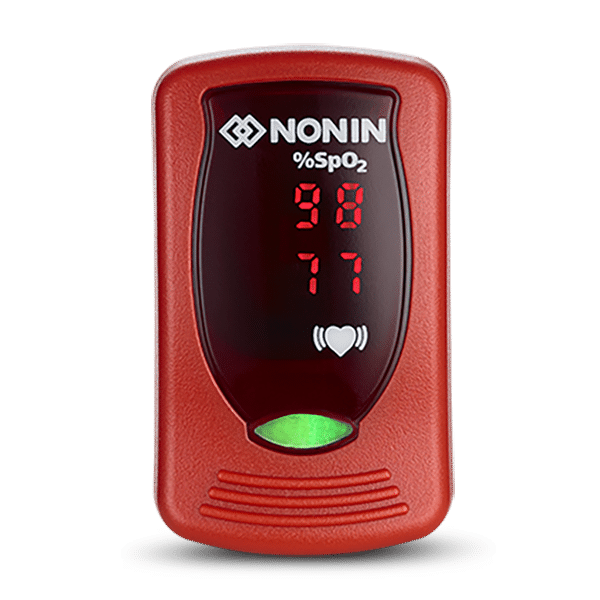
If your current device repeatedly gives wrong readings, consider upgrading to a clinically validated model.
FDA-Cleared Fingertip Pulse Oximeters
Brands known for reliability include:
- Nonin
- Masimo
- Zacurate Pro Series (select validated models)
- Innovo Premium (FDA-cleared versions)
These devices undergo testing across different skin tones and health conditions.
Read also: Best Pulse Oximeters for Home Use
Hospital-Grade or Professional Devices
If you have chronic respiratory disease, you should go for a higher-end professional pulse oximeter. These devices:
- Offer better motion tolerance
- Provide stronger signal detection
- Deliver more stable readings.
They are commonly used in clinics and home care settings.
Wrist-Based or Continuous Monitoring Devices
For people who need overnight monitoring (sleep apnea concerns), fingertip devices are not ideal.
Consider:
- Medical-grade wearable oximeters
- Continuous recording devices with physician review capability
Read also: Best Portable Health Monitoring Devices for Travelers (Compact and Reliable)
What to do if your pulse oximeter appears to be malfunctioning
- Test another finger. Try a different finger other than your usual middle or index finger. Skip the thumbs for this check.
- Use another device. If possible, compare readings with another approved device or take a reading at a pharmacy clinic.
- Swap out batteries. Replace the batteries with new ones, even if the screen lights up.
- Compare pulse rates. If you feel your beat isn’t lining up with the device, it could be a sign of poor signal quality.
- Watch for patterns. A single strange reading is not as worrying as consistently low ones over a period of time.
- Match up to your measurements. If your reading is 85% but you can talk just fine, don’t panic.
If you are still not sure, ask your doctor to check your oxygen levels and compare it to the result from your devise.
Choosing the Right Device
When buying a new pulse oximeter, consider these features:
- Clinical validation
- Clear accuracy specification
- Positive medical reviews
- Warranty coverage
- Strong LED display
- Stable waveform display (if available)
FAQs
1. Why is my finger pulse oximeter giving wrong readings?
Incorrect readings are usually caused by cold hands, poor circulation, nail polish, movement during use, low battery power, or a low-quality device. Proper placement and keeping your hand still often correct the issue.
2. Which finger is best for pulse oximeter reading?
The middle finger, especially on the right hand, often provides the most stable reading. However, the index or ring finger can also work well if circulation is good.
3. What is a normal oxygen reading on a pulse oximeter?
For most healthy adults, a normal reading is between 95% and 100% at rest. People with chronic lung disease may have slightly lower baseline levels.
4. Can nail polish affect a pulse oximeter reading?
Yes. Dark nail polish and artificial nails can interfere with light transmission and cause inaccurate readings. If painted your nails, remove polish before you use the devise.
5. When should I worry about a low oxygen reading?
Seek medical attention if your oxygen reading is consistently below 94%, or below your doctor’s recommended level, especially if you have symptoms like shortness of breath, chest pain, or bluish lips or fingertips.
Final Thoughts on a Finger Pulse Oximeter Giving Wrong Readings
If your finger pulse oximeter is giving inaccurate readings, it’s often due to user mistakes, circulation problems, or the quality of the device itself not because your lungs are suddenly failing. Using the device correctly can fix many issues.
Warm up your hands, sit still, and give it a moment for a stable reading; these steps can make all the difference. Still facing inconsistent results? Perhaps you should consider a clinically validated model.
Relying on faulty devices for health decisions is wrong. If oxygen levels are something you check often, buy a reliable device and use it properly.
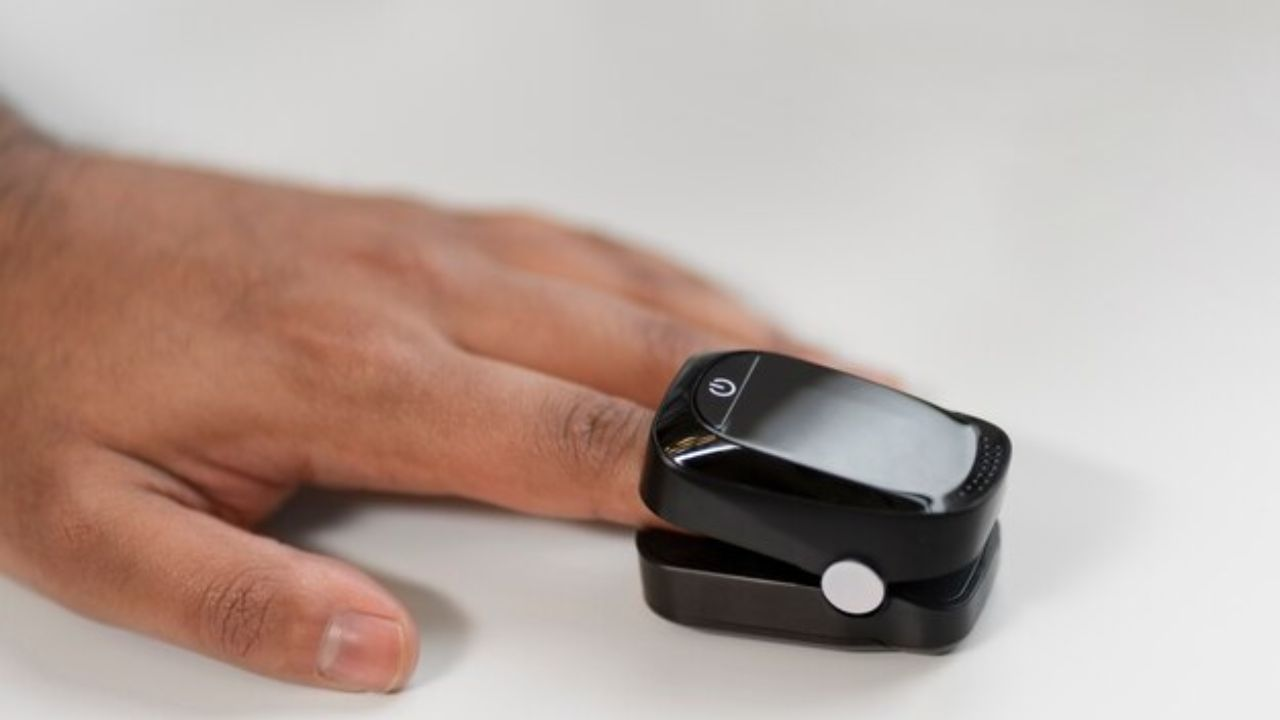
If you have heart disease, high blood pressure, or a respiratory condition, keep a monitoring device with you. For travelers, these devices help track basic health signs away from home. They’re small, so they won’t add to your baggage fees. There are many options; here we’ll focus on the best portable health monitoring devices for travelers. They’re easy to use, simple to pack, and comfortable to wear—a first-class travel wellness solution.
What Portable Health Monitoring Devices Can Do
Portable health monitors can track basic information while you travel, like heart rate, sleep patterns, oxygen levels, activity, and blood pressure. They’re meant for daily checks, not for diagnosing medical conditions.
Most travel devices are:
- Small in size
- Light and not heavy
- Simple to operate
- Easy to pack or wear
- Built with a practical design
However, the correct device depends on the health condition you want to monitor and how often you want to use it. Most are compact, rechargeable, and free of cables or extra parts that get in the way. Travelers usually prefer lightweight options they can wear all day or tuck into a pocket or carry-on.
Best Portable Health Monitoring Devices for Travelers
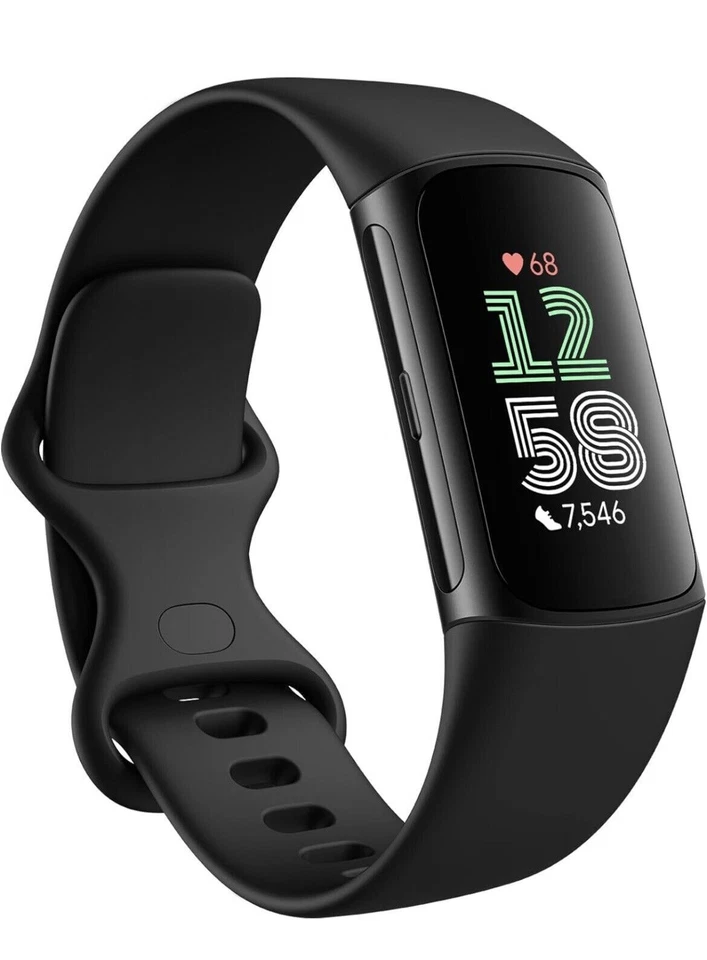
Fitbit Charge 6—Portable Wrist Health Tracker
- Type: Wrist-worn health tracker
- Size: Small and slim
- Weight: Light, not heavy
Uses:
- Tracks heart rate throughout the day
- Measures steps and physical activity
- Monitors sleep patterns
- Records stress and recovery levels
Features:
- Slim and portable design
- Simple screen with easy navigation
- Long battery life for travel days
- Comfortable fit for extended wear
The Fitbit Charge 6 is one of the best portable health monitoring devices for travelers. It is easy to wear and does not feel heavy. Also it fits well on the wrist, and perfect for short or long trips. You can wear both day and night. This device allows an individual to track his or her sleep regardless of the environment.
Apple Watch SE (2nd Generation) – Compact Smart Health Device
- Type: Smartwatch
- Size: Compact
- Weight: Light
Uses:
- Monitors heart rate
- Tracks movement and activity
- Detects falls
- Allows emergency alerts
Features:
- Simple and clean design
- Clear display
- Comfortable wrist fit
- Works well with health apps
This model works well for someone who already uses an iPhone. It’s small enough for everyday wear and gives reliable readings over time. The design fits work trips, leisure travel, and daily life.
Oura Ring Gen 3 – Tiny Ring-Based Health Monitor
- Type: Ring health monitor
- Size: Very small
- Weight: Tiny and lightweight
Uses:
- Tracks sleep quality
- Measures resting heart rate
- Monitors body temperature trends
- Supports recovery tracking
Features:
- Tiny design, worn on the finger
- No screen, very simple to use
- Long battery life
- Comfortable fit during sleep
Oura Ring is one of the smallest portable fitness monitors. It is ideal for a traveler who doesn’t want a wristwatch. The ring fits easily and does not interfere with daily activities or sleep.
Withings BPM Connect—Portable Blood Pressure Monitor
- Type: Upper-arm blood pressure monitor
- Size: Compact
- Weight: Light and easy to pack.
Uses:
- Measures blood pressure
- Records heart rate
- Stores past readings.
Features:
- Small, all-in-one design
- No external tubes or parts
- Simple start-and-read operation
- Clear digital display.
This device is suitable for travelers who need regular blood pressure checks. It’s lightweight and not heavy, so it’s easy to move around.
Read also: Best Blood Pressure Monitors for Seniors: Doctor-recommended
Masimo MightySat Fingertip Pulse Oximeter—Small Oxygen Monitor
- Type: Fingertip device
- Size: Very small
- Weight: Tiny
Uses:
- Measures blood oxygen levels
- Tracks pulse rate
- Supports quick health checks
Features:
- Small enough to fit in a pocket
- Fast readings
- One-button operation
- Easy-to-read screen
The MightySat Oximeter helps travelers reach high-altitude locations by monitoring them during extended flights. It’s compact, portable, and easy to use.
Also read: Best Pulse Oximeters for Home Use
How Travelers Use Portable Health Monitoring Devices
Most travelers don’t use medical equipment all day, they only need it at certain moments. Knowing when you’ll need it helps you pick the right device.
Some people check their health in the morning, others after a long walk or a flight. A good portable health monitor makes it easy to do a quick check without interrupting your plans.
For example:
- A wrist tracker is worn for walking or sightseeing.
- A ring device is mainly used during sleep.
- A fingertip device is used only as needed.
- A blood pressure monitor is used once or twice a day.
Size and ease of use matter here. Small, light, simple devices are easy to use while traveling.
Using portable health monitoring devices
Flights put stress on the body. Long periods of sitting, dry cabin air, and limited movement can affect breathing, sleep, and circulation.
- Many travelers use portable health monitors during flights to:
Track heart rate
Monitor oxygen levels - Count steps while moving around airports
- Check sleep quality while traveling long distances.
Easy-to-wear items that pass airport security, like wrist devices, are handy. Small, pocketable pulse oximeters are useful on long flights. For carry-on luggage, their light weight and compact size matter.
Health Monitoring Devices That You Can Use for Hotels & Short Stays

The majority of travel health assessments take place in hotels. A good device should work without extra equipment.
Portable devices work effectively in hotel rooms because they are:
- Simple: Readings in minutes.
- Patients can obtain blood pressure measurements through a portable monitor within two minutes.
- The sleep tracker operates automatically to monitor sleep patterns.
- The essential requirement involves creating a straightforward product which users can operate without installing.
Portability and Packaging
Travelers mainly determine their packing needs based on the space requirement for their devices during extended travel periods. The majority of travelers prefer to maintain their essential items within easy reach. A health device must justify its place.
What Then Makes a Device Easy to Pack?
- Tiny size
- Rounded edges
- No loose cables
- Lightweight materials
- Protective casing
Mini devices slip into small travel pouches, fit in backpacks, and feel light enough not to push you over luggage weight limits.
Battery Life and Charging While Traveling
The battery lifespan determines how often users operate the device. Frequent travelers actually avoid using equipment which needs daily charging. Travelers find greater reliability in simple equipment that can stay long without needing battery replacement. People often abandon equipment which requires them to charge it multiple times each day.
Good travel-friendly devices:
- Last several days on one charge
- Use standard charging cables
- Can charge from power banks
- Do not drain quickly during standby.
Battery life shapes how often you’ll use a device. Frequent travelers don’t need gadgets that need daily charging.
Comfort and Fit During Long Travel Days
Travelers should consider:
- Strap material for wrist devices
- Ring size accuracy
- Pressure level for blood pressure cuffs
- Fingertip device grip
The device needs to adapt itself to the surrounding environment without requiring any forceful adjustments. The perfect fit reduces irritation during walking, sleeping, or sitting for extended periods of time.
Data Accuracy vs Practical Use
Portable health monitoring devices are meant to be used on a daily basis, not for diagnosis.
Travelers use them to:
- Notice changes
- Track patterns
- Stay consistent
- Share data with doctors later.
Basic reporting serves as a more effective tool than the detailed report which requires advanced methods to achieve its objectives. The travel process is stress-free through devices that provide users with clear information.
Using Health Devices Without Internet Access
Not all travel locations have reliable internet. A good device should still function offline.
Many portable devices:
- Store data locally
- Sync when the internet is available.
- Show readings directly on the device.
This makes them useful for rural areas, flights, or short international trips.
Health Monitoring for Different Types of Travelers
Business Travelers
Business travelers often prefer:
- Wrist devices
- Clean design
- Quiet operation
- Easy data review
A small smartwatch or tracker fits professional settings and does not draw attention.
Older Travelers
Older travelers often prefer:
- Large, clear displays
- Simple buttons
- Minimal setup
- Reliable readings
Devices that are portable but not complex are easier to use during travel.
Solo Travelers
Solo travelers often focus on:
- Emergency features
- Consistent tracking
- Comfort
A wrist device with alerts or a simple monitoring tool can support daily awareness.
Adventure and Outdoor Travelers
Outdoor travelers need:
- Durable design
- Long battery life
- Lightweight devices
- Compact size
A tiny fingertip device or small tracker fits well for hiking or altitude travel.
Cleaning and Maintaining Devices While Traveling
Travel exposes devices to sweat, dust, and public surfaces. Maintenance is simple but necessary.
Basic care includes:
- Wiping devices daily
- Avoiding water exposure when not rated
- Storing devices in dry cases
- Charging in safe outlets
Devices with simple construction are easier to clean and maintain during travel.
Understanding Device Limits
Portable health monitoring devices have limits. Travelers should be aware of them.
These devices:
- Do not replace doctors.
- Do not diagnose illness
- Do not detect all health conditions
They are tools for tracking and awareness, not treatment. Understanding this prevents misuse.
When to Use Each Type of Device
Different devices serve different purposes.
- Wrist trackers: daily activity and heart rate
- Ring devices: sleep and recovery
- Blood pressure monitors: scheduled checks
- Fingertip devices: quick oxygen readings
Depending on whether you want to monitor or you want to monitor multiple functions, you must choose the correct device.
How to Avoid Buying the Wrong Device
Many travelers buy devices they do not use. This happens when devices are:
- Too complex
- Too heavy
- Too large
- Hard to read
Before buying, ask:
- Will I carry this daily?
- Can I use it without instructions?
- Does it fit my routine?
- Is the design comfortable?
A simple, small, and light device usually works best.
Long-Term Use During Frequent Travel
Frequent travelers benefit from devices that:
- Are durable
- Have stable software
- Offer consistent readings
- Do not require frequent updates
A device should fit into repeated travel routines without adjustments.
Privacy and Data Handling
Many devices store personal health data. Travelers should:
- Use secure apps
- Enable device locks where available.
- Sync data on trusted networks
Devices with basic data storage are often easier to manage during travel.
Common Mistakes Travelers Make
Some common mistakes include:
- Packing too many devices
- Choosing heavy equipment
- Ignoring comfort
- Not charging before travel
Keeping it simple and light avoids these issues.
Comparing Portable Devices to Traditional Equipment
Traditional health equipment is often:
- Large
- Heavy
- Hard to pack
Portable devices are:
- Small
- Lightweight
- Easy to use
For travel, portability matters more than advanced features.
Considerations:
The best portable health monitoring devices for travelers are:
- Small
- Light
- Not heavy
- Simple to use
- Designed to fit daily travel life
How These Devices Fit Into Travel Routines
Compile a list of devices for regular use. They’re light, simple, and not heavy, so travelers are more likely to continue using them. Each device is designed to fit easily into everyday life when it is used, moved, or stored.
Several travelers prefer wristwatches to track their movements without changing. Others prefer bantam devices that lie outside the approach. Depending on the need for security and vitality, the top choice is made.
Choosing the Right Portable Health Monitoring Device
When selecting a device, focus on:
- Size: tiny
- Weight: light, not heavy
- Ease of use: simple controls
- Design: comfortable fit
- Purpose: What health data do you need?
Do not choose equipment which contains complicated systems or excessive functions which you will not need. It’s a simple, reliable device for travel.
Final Notes
The best portable health monitors for travelers are those that are easy to use in real journey situations. The small and light design of the product makes it possible to carry it in a handbag or pocket or in any other daily wear without causing problems. The device must possess basic operation functions which enable users to use the product without difficulty while maintaining standard design elements which match their travel patterns.
People can use wrist and finger and palm wearable devices for continuous health monitoring because these devices require no additional time or physical space. Devices which work in harmony with the body provide travelers essential information about their body condition.
Choosing the right health monitor depends on the purpose, and travel frequency. Avoid devices with complicated setups or lots of features you won’t use. A simple, reliable device is best for travel.
-
 Wearable Health9 months ago
Best Portable Health Monitoring Devices for Travelers (Compact and Reliable)
-

 Diagnostic & Hospital Equipments8 months ago
Blood Pressure Monitor Problems: Common Errors and How to Fix Them
-

 Review and guides9 months ago
CPAP Machines Buying Guide: The Best Models Doctors Don’t Recommend
-
 Diagnostic & Hospital Equipments5 months ago
Top Professional Syringe Infusion Pumps for ICU Setups
-
 Wearable Health8 months ago
Best Smartwatches for Health Tracking: Features that Actually Matter
-

 Diagnostic & Hospital Equipments5 months ago
Best Surgical Microscopes for Precision Procedures (Top Brands)
-
 Home and selfcare9 months ago
Portable vs. Tabletop Nebulizers: Which is Better for Home Use
-
 Diagnostic & Hospital Equipments9 months ago
Upper Arm vs. Wrist Blood Pressure Monitors: Which Should You Buy?