
Review and guides
Premium Medical-grade Injectable Steroids: Compliance and Sourcing Guide

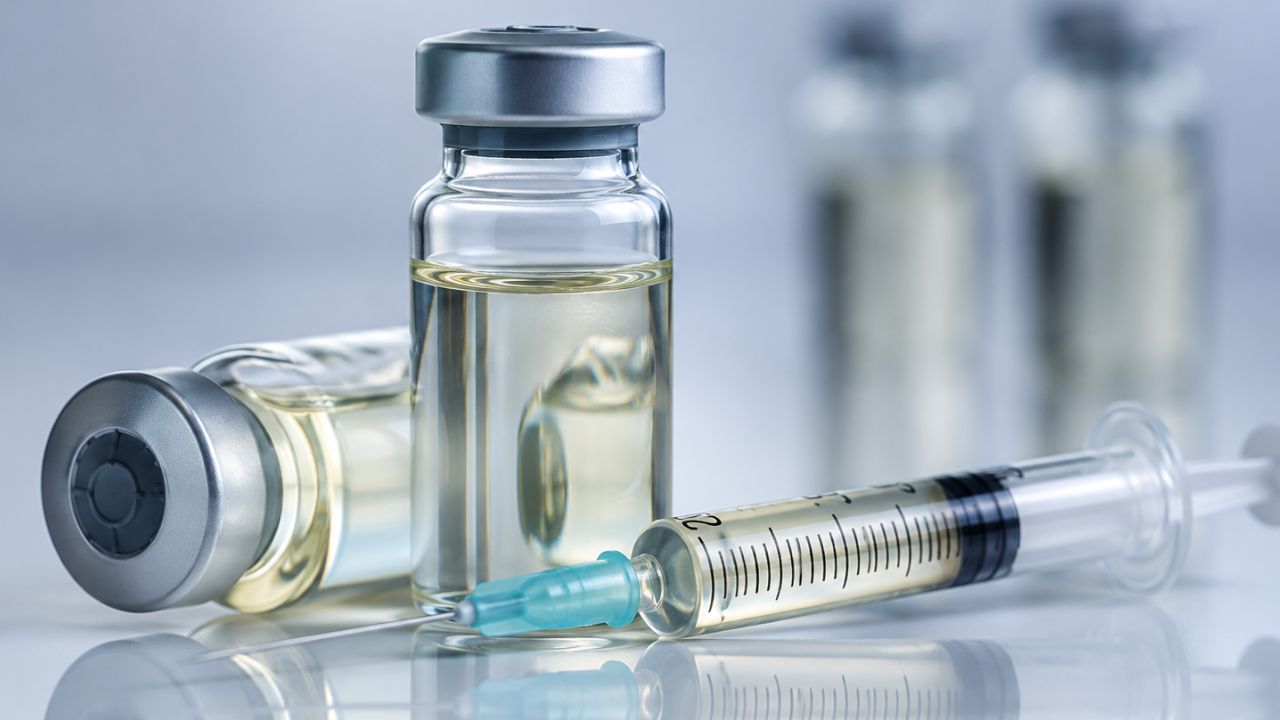
Injectable Steroids, when used correctly, are both safe and efficient. They offer that standard dosage and these substances prevent adverse reactions if the person followed the doctor’s prescription. However, there are legal standards on the usage.
Patients, healthcare providers, and athletes interested in using steroid need this guide. It covers topics such as the types, certification, uses, effects and duration.
What Are Injectable Steroids?
Injectable steroids are artificial compounds administered directly into muscle tissue, mimicking the effects of testosterone. Available in oil, tablets, or water-based solutions, these steroids enter the bloodstream quickly, which some doctors recommend.
Basically, it is prescribed for those with hormone deficiencies. But athletes can use it to enhance their performance. However, researchers are exploring safer alternatives that encourage muscle development without hormone spikes.
Apart from their benefits, the safety and legality of these drugs are critical considerations. Potential side effects include mood changes, acne, and liver strain, with about 30% of users experiencing sleep disturbances.
Anabolic vs. Corticosteroid Injectables
Certain anabolic substances can help to grow muscle, while others are used to reduce inflammation. Both types enter the bloodstream but have different effects on the body.
Anabolic injections are versions of testosterone that enhance protein production. They are mostly used for treating hormonal issues or osteoporosis. In contrast, corticosteroid injections create cortisol analogs, which help to reduce inflammation and are administered for conditions like autoimmunity, allergies, or joint discomfort.
When administering these injections, the substance is injected into a specific muscle, such as the gluteus or thigh; however, corticosteroids can also be injected directly into a joint, into muscle tissue, or under the skin.
Intravenous infusions or injections are uncommon and not advised for cases with extensive inflammation. The method of delivery is determined by your doctor based on the targeted area and treatment goals.
Consult your healthcare provider about these injectable options before commencing therapy. Discuss any potential side effects, such as mood swings, fluid buildup, or joint issues, with them.
Common Formulations
Anabolic vs. Corticosteroid Injectables are available in three common injectable forms that determine the speed at which the drug enters the bloodstream and the number of times that a patient must be administered doses. These forms include:
- Oil-based suspensions.
- Aqueous suspensions.
- Depot injections.
Formulations made from oil contain a slow-release oil compound, whereas those made from water consist of the drug in a mix to accelerate absorption.
Regardless of the type of formulation, each has pros and cons. Fluid suspensions break down slowly and may be injected every two to four weeks. Fluid suspensions dissolve quickly and are dosed every one to three days. A drug can be injected into a tissue depot once a month or less.
To determine a specific product, consider the patient’s current condition, desired hormone levels, and daily availability. Anabolic injectables are often formulated as an oil-based or depot form in order to maintain consistent blood levels, while corticosteroids are formulated as aqueous suspensions for quick anti-inflammatory effects.
Types of Injectable Steroids
Injectable options provide more regulated delivery and longer effects compared to oral forms. Testosterone enanthate offers consistent hormonal replacement for men with low testosterone levels, which means they would need weekly injections to boost muscle growth and enhance their strength.
- Nandrolone Decanoate helps in tissue recovery and improves joint comfort during rigorous training. With its long-lasting effects, it requires that the individual take the injection every few weeks.
- Stanozolol enhances athletic performance. It boosts strength and does not cause much water retention. So, it helps athletes maintain a lean body.
- Trenbolone acetate produces fast results for body composition goals. Due to its strength, careful medical supervision is necessary for the right dosage.
- Boldenone Undecylenate encourages gradual and sustained muscle development.
- Drostanolone Propionate assists athletes to get a well-defined and quality muscle mass.
- Methenolone Enanthate provides gentle anabolic effects with minor side effects. It’s suitable for beginners.
Corticosteroids have different roles than their anabolic counterparts. Methylprednisolone reduces inflammation and controls overactive immune responses. Doctors use it to treat severe allergies, arthritis flare-ups, and autoimmune disorders. Triamcinolone targets local inflammation in joints and soft tissues.
Common Medical Steroids and Their Uses
Healthcare providers select specific steroids based on the needs of the patient. Corticosteroids, for example, are the most frequently prescribed and are used mainly for medical conditions such as the following:
- Prednisone eases inflammation throughout the body.
- Dexamethasone is used to treat inflammation in the brain and allergic reactions.
- Hydrocortisone replaces cortisol if there is insufficient adrenal
- Methylprednisolone provides that anti-inflammatory role.
Medical steroids demand close supervision by healthcare professionals. Patients must follow the prescribed dosages. Short-term use may cause minor side effects, which are suggested, but using it for a long period is quite risky and not advised.
FDA-Approved Anabolic Steroids
The Food and Drug Administration exercises strict regulation over these medications. Patients must keep to the specific protocols when taking these steroids. Medical practitioners normally monitor hormone levels and assess each patient’s needs before they start the treatment. It ensures that they prescribe the correct dosage to avoid complications.
Testosterone replacement therapy helps men with low hormone levels. It improves energy and mood. Doctors recommend this therapy exclusively for confirmed medical conditions. Regular blood monitoring ensures safe management.
Oxandrolone is for patients suffering from muscle-wasting disorders (atrophy). Doctors prescribe it in specific medical situations to enhance muscle retention, particularly among cancer patients and those with long-term illnesses. The steroid maintain muscle mass during severe health crises.
Healthcare professionals carefully weigh the therapeutic advantages against possible adverse effects. They ensure continuous patient supervision to safeguard health. These medications show the role of pharmaceutical support in patient recovery.
Common Side Effects of Injectable Steroids

Although injectable steroids serve various valid medical functions, there are some risks if not used appropriately. Awareness of these potential side effects allows individuals to make educated health decisions and identify early warning signs. Below, we outline the common adverse effects of injectable steroids. They include:
Hormonal Imbalance: These steroids upset the body’s natural hormone balance when they introduce synthetic hormones that disrupt the endocrine system. This often results in gynecomastia in men due to excess testosterone that converts to estrogen.
Also, users endure mood swings from irritability to depression, as hormonal changes can affect neurotransmitter equilibrium and emotional stability.
Cardiovascular Strain: Injectable steroids can cause stress on the cardiovascular system if they change the cholesterol levels, reducing good HDL cholesterol, thereby increasing harmful LDL cholesterol. These changes raise plaque buildup in arteries, increasing heart disease risk. In addition, many users experience increased blood pressure due to fluid retention, which adds strain on the heart and blood vessels.
Hepatotoxicity: Although injectables mostly bypass the digestive tract and pose less liver toxicity compared to oral steroids, they still carry hepatotoxic risks. The liver processes and metabolizes these substances. Regular liver function monitoring through blood tests is vital for those who may choose these substances for long-term use.
Injection-Site Reactions: Users often report localized reactions at injection sites. Common issues include mild discomfort, swelling, and, in some cases, severe discomfort. Some develop sterile abscesses due to negative reactions to oil-based injectable solutions. Improper sterilization procedures can introduce bacteria and cause infections that may require medical treatment.
Psychological Impacts: Alongside the physical effects that many individuals experience, mental health issues are also prevalent. Hormonal and neurochemical shifts in the brain can lead to intensified aggression and irritability, popularly referred to as “roid rage.”
Sleep disturbances such as insomnia are common, while anxiety and paranoia can severely affect some people. These psychological challenges can disrupt everyday life.
Duration of Injectable Steroids
The duration for which injectable steroids last is based on their formulation. Each type has a different half-life, which affects both its period of effectiveness and its time detectable in drug tests.
The ester chains connected to the steroid molecule influence the rate of metabolism, with longer esters resulting in prolonged effects. These variations allow athletes, medical patients, and those facing drug testing to decide before taking the injection.
| Steroid Compound | Half-life | Detection Window | Ester Type |
| Testosterone Enanthate | 4-5 days | 2-3 months | Long |
| Testosterone Cypionate | 8 days | 2-3 months | Long |
| Nandrolone Decanoate | 6-12 days | 17-18 months | Long |
| Nandrolone Phenylpropionate | 3 days | 4-5 months | Short |
| Trenbolone Acetate | 1-3 days | 5-7 months | Short |
| Trenbolone Enanthate | 5-7 days | 5-7 months | Long |
| Boldenone Undecylenate | 10-14 days | 10-12 months | Long |
The therapeutic effects of steroids often persist longer than anticipated because these substances remain active in the body even after the initial symptoms have improved. Moreover, drug tests can detect steroids well beyond the period they offer any advantage.
Short-acting esters, such as acetate or propionate, exit the system more quickly, which makes them ideal for situations requiring quick cycles. In contrast, long-acting formulations provide stable blood levels and require fewer injections. These elements create a complex scenario that extends beyond simple half-life analyses and necessitates careful consideration of personal objectives and circumstances.
Compliance & Legal Framework
In the United States, injectable anabolic steroids fall under Schedule III or IV controlled substances, necessitating a valid prescription and adherence to state-specific regulations. In the European Union, classification is determined by individual member states; for example, the UK’s Misuse of Drugs Act categorizes them as Class C substances.
Healthcare professionals must document medical necessity, maintain detailed records, and ensure compliance with both national and international import and export laws.
Before administering any injectable steroid, get a current prescription signed by a physician. Verify the drug’s classification (Schedule III or IV in the US, Class C in the UK) and adhere to associated record-keeping protocols.
Clearly document the medical justification for treatment in the patient’s record and retain copies of all prescriptions and dispensing logs. Review national import and export regulations, obtaining necessary permits or customs declarations for cross-border shipping.
Store the medication in a locked, tamper-proof cabinet, performing regular audits to prevent misuse. Annually review updated guidelines, as each state or EU member country may alter its classification or
How to Identify Legitimate Sources
Ensuring the lawful and safe acquisition of injectable steroids necessitates careful attention to sourcing. When procuring these substances, it is essential to undertake vital steps to confirm their authenticity. Products should only be acquired from licensed pharmacies or authorized distributors with verifiable endorsements from recognized organizations such as the NABP.
To make sure that it is genuine, check the batch numbers and inspect the certificates of analysis and serialization, and tamper-evident packaging.
- Verify pharmacy licenses through formal regulatory bodies (e.g., NABP in the U.S.).
- Ensure distributor authorization via manufacturer verification programs.
- Match batch numbers with manufacturer databases.
- Obtain and inspect certificates of analysis to confirm purity.
FAQs
1. What are injectable steroids?
Injectable steroids are synthetic versions of testosterone or related hormones administered by doctors directly into muscles with a syringe and needle. They gradually release the active ingredient into the bloodstream over time.
2. Are injectable steroids safe?
When prescribed and supervised by a doctor, injectable steroids can be used to treat medical conditions. However, using them without medical guidance can cause serious health risks such as infections, organ damage, and other life-threatening issues.
3. How long do injectable steroids remain in your system?
The duration depends on the type and dosage, but most injectable steroids are traceable for weeks to months after the final dose. Some long-acting esters may be detectable in drug tests for as long as a year.
4. What are the side effects of injectable steroids?
In some, they may experience acne, hair loss, mood instability, and increased aggression. Long-term use can lead to cardiac issues, liver damage, decreased fertility, and weak bones and joints.
Read also: Top 5 Pharmaceutical Distributors for Corticosteroids
Final Thoughts
Injectable steroids are available in various forms, such as oil-based and water-based solutions. However, anyone who takes it must follow their doctor’s advice. Long use or inappropriate dosage can cause liver damage, heart complications, hormonal irregularities, and mental health effects.
Anyone considering using these compounds should seek advice from qualified healthcare professionals; consider the legal standards, and uses. Treatment cycles usually last from 8 to 16 weeks, but it depends on the treatment goals and the specific substances used. Very important, only get from a licensed clinic or pharmacy and avoid self-medication.
Note: This information serves as a general guide. Always stick to local laws and consult a licensed medical professional for personal advice on the usage, prescription, and acquisition of injectable steroids.
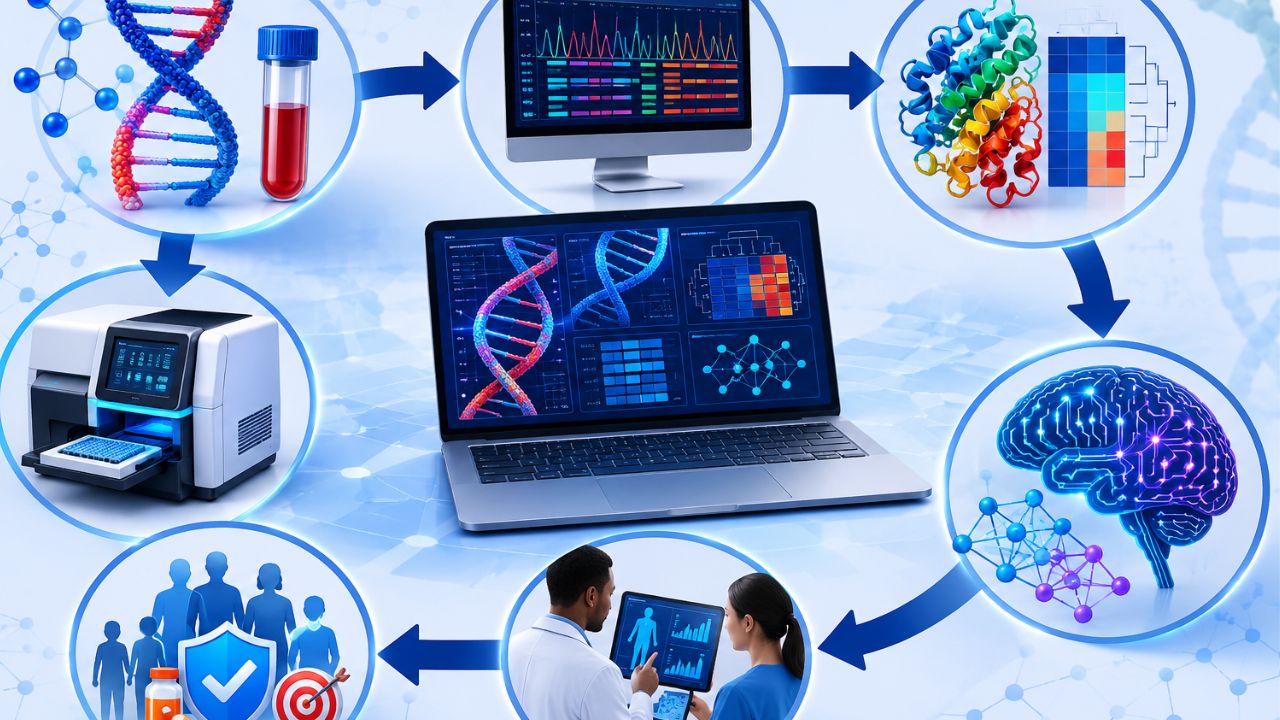
Nowadays, biological science is impossible without collecting and analyzing data on genes, proteins, molecular structures, cells, etc. Researchers use different tools, methods, and models to obtain relevant and reliable conclusions. They allow scientists to analyze huge amounts of information quickly. Bioinformatics tools help analyze, compare, and interpret data to make the process more efficient.
With biology becoming more about data, it is now augmenting the work of lab technologists and research teams. In addition, they help scientists manage large datasets, test ideas faster, and produce accurate results.
What Are Bioinformatics Tools?
A bioinformatics tool refers to a computer software program or an internet-based platform that stores, analyzes, or interprets biological data. They help solve biological problems that are difficult to solve manually.
How a tool supports biological data processing
Biological data is obtained from biological research and has large amounts of information. Tools assist in processing the data to obtain meaningful conclusions on biological functions such as genetics, proteomics, and genomics. Some of the features useful in biological data processing include:
- Sequence alignment: Eases comparison of sequences such as DNA, RNA, and protein sequences, among others.
- Visualization tools: Enable visual representation of biological data
- Database search: Supports querying of databases to obtain information that relates to a particular gene, protein, or sequence.
- Statistical analysis: Helps to carry out statistical tests to discover significant aspects of the data.
- Annotation: Adds useful information about genes or proteins.
Use Cases
Bioinformatics is used for several purposes, like
For genomics:
- It can be used to find mutations and variants.
- Predict genes and gather genomes
- Study inherited diseases and cancer biomarkers.
For proteomics:
- Analyzes and classifies proteins
- Study their structure and function.
- Compare their presence in different samples.
For systems biology:
- It is used to model interactions between genes, proteins, and pathways.
- Study networks of these interactions.
- Analyze the entire system.
Why Bioinformatics Tools Are Important Essay
To reduce the time on calculations and minimize errors, scientists use different computer software for data analysis and visualization.
Such programs help to achieve more, such as the following:
Accurate and faster results
These programs allow you to reduce the time of calculations, which is vital when working with large data.
Also, computer software helps to reduce errors associated with manual analysis. A properly configured program will always give the same result for the same data input.
The analysis of data using computer technologies helps reveal patterns quickly. In addition, scientists can use programs to perform repetitive operations, such as aligning DNA sequences, detecting variants, and visualizing data.
These operations allow scientists to conclude the study object under investigation.
For example, the analysis of biological sequences that uses such programs can perform the following operations:
- Sequence alignment
- Variant detection
- Gene annotation
- Data visualization
Also, by automating repetitive tasks, scientists can analyze and interpret results rather than performing routine tasks.
Better Handling of Large Sequence Datasets
Sequence data are large in size. A project can generate millions of reads, which can be hard to analyze using spreadsheets or manual analysis. However, software can organize, filter, and process the data, which allows one to handle large files easily. E.g.:
- High-throughput processing handles large volumes of reads.
- Database searching can identify the sequences
- Quality control filters the data and removes any unnecessary parts.
- Storage and indexing allow for faster access to the data.
Know that the size of the sequence data is not the only consideration. Its structure also needs to be controlled, which is necessary both for day-to-day operations and for long-term storage.
Improve Experimental Design and Workflows
With the right tools, a scientist can decide on what to do in the experiment, how to structure the experiment, and what controls to use.
In the same way, one can also make their own work easier by using tools such as:
- Primer design
- Automation of frequently used processes
- Various simulations
- Designing pipelines for the data
Support for Reproducible Research
A scientific study should be able to be reproduced, because without that ability, such a study cannot provide evidence.
The following functions contribute to the creation of reproducible research:
- Scripting the analysis process to ensure consistency and control
- Version control to track edits and collaborate
- Sharing research pipelines to let others repeat or modify an experiment
- Analysis tools that use standard file formats to help with file sharing
Types of Bioinformatics Tools Essay
Researchers apply various types of bioinformatics tools to study biological data. These include software packages that enable scientists to identify particular DNA sequences, predict protein structures, and perform extensive database searches.
These types of bioinformatics tools are useful because they make data analysis easier, more convenient, and take less time.
The main types are:
Sequence Analysis Tools
Sequence analysis tools assist researchers in analyzing DNA, RNA, or protein sequences. The tools help determine genes’ location on chromosomes, compare particular organisms’ genes, and identify mutations.
Examples
- BLAST compares a query sequence with a database sequence.
- Clustal Omega enables multiple alignments of DNA and protein sequences.
- FASTA helps find similar sequences.
- MAFFT performs multiple sequence alignment.
Features
- Identify related sequences
- Align several sequences
- Find conserved sequence areas.
- Compare protein and gene sequences.
Uses
- Find unknown genes with known ones.
- Compare genes to understand evolution.
- Find mutated areas for further treatment.
- Analyze plenty of sequences.
However, there is a major drawback. Sequence analysis tools only allow analyzing sequences. So, when researchers want to predict proteins’ structure and work, they may use structural analysis tools.
Structural Analysis and Modeling Tools
Structural analysis tools help predict protein structure and study it. The shape of a protein determines its function, which means that scientists need to identify how the biomolecule behaves.
Examples
- PyMOL permits visualization and manipulation of protein structures.
- SWISS-MODEL guides researchers to determine protein structure through homology modeling.
- RasMol provides molecular graphics to study biomolecules.
- Chimera enables visualization and analysis of biomolecular structures.
Features
- Construct 3D structures and models.
- Display atomic surfaces
- Compare protein structure
- Get to know amino acid sequences of proteins.
Uses
- Predict protein structure
- Design medications
- Interpret ligand binding
- Learn the relationship between the structure and function of biomolecules.
Structural analysis tools are used for such an operation; however, they are used with other bioinformatics tools (such as database search tools).
Scientists use database search tools to find related gene sequences, protein sequences, or whole genomes.
Database Search Tools
Researchers apply database search tools to find relevant information from extensive collections of data, like various nucleic acid and protein sequences and reference gene data.
Examples
- NCBI GenBank stores DNA and RNA sequences of different organisms.
- UniProt provides information about protein sequences.
- PDB is a database of biomolecular 3D structures.
- Ensembl is a database of genomes and gene functions.
Features
- Access information about various nucleotide sequences, protein sequences, and genome data.
- Find related sequence and structural data to know more about biomolecules.
- Use the search feature to check particular genes, proteins, and related information.
- Have an option to choose which database to use for specific research.
Uses
- Access extensive collections of data about biomolecules.
- Retrieve particular genetic data (e.g., a gene of interest), protein sequences, and related nucleotide sequences when needed.
- Study the function of a certain gene, protein, or nucleotide sequence.
- Compare different pieces of information retrieved from the database search.
- But while using database search tools, one should be careful to input the correct information about the gene/protein of interest. Otherwise, the search may return no results.
Top Bioinformatics Tools
Some of these software applications are used in the annotation, alignment, and analysis of genetic material. The popular bioinformatics tools in 2026 are:
BLAST Bioinformatics Tools
BLAST (Basic Local Alignment Search Tool) compares a nucleotide or protein sequence against a sequence database to detect similarity between a query and the database. This tool is applied when identifying a gene’s structure and its potential biological function.
Features
- Comparing a query sequence with sequence databases
- Finding local regions of similarity
- Nucleotide and protein search
- Similarity scores, matches, and statistics
Applications
- Gene identification
- Similarity search
- Understanding evolutionary biology
- Determining unknown sequences
BLAST is the easiest tool to use but cannot determine a query’s biological function on its own. It only indicates some of the features that might be present in the particular query.
Galaxy Bioinformatics Tools
Galaxy is a web-based application used in the management and analysis of data. It enables scientists to perform their research even without programming skills.
Another benefit provided by the tool is that it allows researchers to share the procedures and results of an experiment.
Features
- Web-based applications
- Analysis, visualization, and management of data
- Tools for data science
- Building and sharing tools
Applications
- Nucleic acid sequence analysis
- RNA sequencing
- Visualization
- Variant identification
Galaxy helps users maintain consistency in their analyses. In addition, the tool provides several ways to share tools and processes with other researchers.
Alpha Fold Bioinformatic Tools
Alpha Fold is a deep learning platform used to compute the structure of a protein based on a specified amino acid sequence.
Basically, Alpha Fold determines how the amino acid chains of a protein fold to create the final functional structure. This tool was developed by DeepMind.
Features
- Deep neural networks
- Predicting protein structure
- Predicting confidence scores
- Processing multiple protein sequences
Applications
- Predicting protein structures
- Drug discovery
- Predicting protein function
- Assisting protein structure analysis
AlphaFold does not replace the need for experimental approaches in studying proteins. Instead, the software supports and enhances the process of analyzing protein structure.
GATK Bioinformatics Tools
GATK (Genome Analysis Toolkit) is a software application designed for the analysis and processing of genomic data.
This tool was initially developed for analyzing human sequences and variants in genomics research. Currently, it is used in the identification of variants in various organisms.
Features
- Variant discovery tools
- Tools for variant annotation
- Data visualization
- Processing high-throughput data
Applications
- Variant identification
- Genetic disease surveillance
- Cancer genomics
- Population genetics
GATK plays a significant role in genomic analysis as it ensures that quality and standardized results are maintained throughout the process.
Major Bioinformatics Tools and Databases
This data can be retrieved, analyzed, and shared by researchers across the world. These databases also support various tools used in analyzing biological data. Largely, databases have several benefits in the research process.
They provide opportunities for data management and enable data analysis tools to operate effectively. The major databases include the following:
Nucleotide Databases
This is a database of nucleotide sequences used in research and analysis. Some of the top nucleotide databases are listed below:
- GenBank: It’s the public repository of DNA sequences.
- EMBL-ENA: It is a nucleotide database mostly used in Europe.
- DDBJ: This database contains the nucleotide sequences generated in Japan.
Applications
- Searching nucleotide sequences
- Searching similar sequences
- Sequence comparison
- Detection of mutations associated with diseases
- Analysis of sequence alignments
GenBank, EMBL-ENA, and DDBJ are related through the International Nucleotide Sequence Database Collaboration.
Protein Databases
Protein databases contain information on amino acid sequences, protein structures, and function. The data in these databases support research in life sciences.
Examples:
- UniProt is a bioinformatics resource that provides information on protein sequences and function.
- PDB, also known as the Protein Data Bank, is a repository of 3-D protein structures.
- Swiss-Prot is a manually annotated protein database.
Applications
- Predicting the function of a protein
- Comparing protein sequences
- Comparing protein structure
- Supporting docking and homology modeling tools
Genome Databases
Genome databases contain genetic information in the form of chromosomal sequences. The databases can store both coding and non-coding sequences. Each database can contain genome assemblies, annotations, and other relevant data.
Examples:
- Ensembl: This resource provides annotations of genetic sequences and databases, which contain genome data.
- NCBI Genome: It serves as a repository for genomic data.
- UCSC Genome Browser: The database tool provides visualization and analysis of genome data.
Applications
- Accessing the genome sequence data
- Viewing the genome data
- Studying genome variations
- Applying the genome data
Disease and Pathway Databases
These databases contain data on biological and disease processes. The processes consist of genetic disorders, metabolism, and gene regulation. The information in these databases supports understanding the functioning of genes and proteins.
Examples:
- OMIM: Contains information on genes and genetic disorders
- KEGG: Provides information on the biological functions of genes and proteins
- Reactome: A database of biological pathways
- DisGeNET: Connects genes with diseases
Applications
- Determining disease-associated genes and variants
- Detecting biological pathways
- Enrichment analysis
- Drug target identification
Tools and Databases: Connection and Benefits
Databases provide the tools that support analysis. For instance, databases provide data needed in the operation of analysis tools. The data may include information on gene and protein sequences, structures, functions, and variations.
Some databases can be used together with the BLAST tool to provide similar and related gene and protein sequences. Others, such as genome databases, assist the operation of genome browser tools by providing genome data.
Also, pathway tools can use the data in the databases to detect enriched pathways.
Related Post: Interoperability in Healthcare: The Benefits, Types and Challenges
Final Thoughts on Bioinformatics Tools
Currently, in the field of scientific research, the tools and databases reviewed above aid the research process. They can be used to analyze, compare sequences, manage huge amounts of data, and carry out experiments virtually.
Also, they can make the research process easier, as they ensure that the results obtained are accurate and reliable.
However, the benefits these tools and databases provide go beyond speed and accuracy. Their combination increases the efficiency of the various steps in the research process.
Diagnostic & Hospital Equipments
Targeted Drug Delivery: How Precision Medicine Is Transforming Treatment
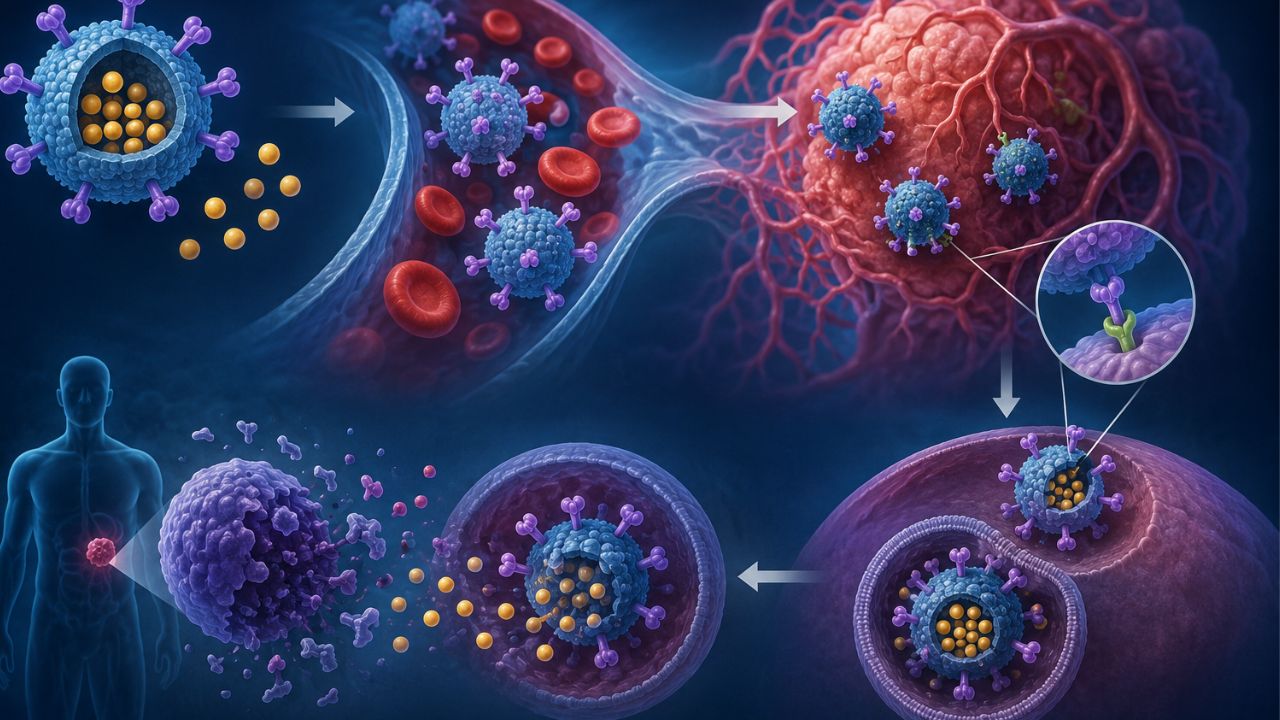
Some medicines only work when they reach the right place. That is where targeted drug delivery (TDD) becomes useful. What it does is send the drugs to the cells or tissues. And when this happens, it prevents them from affecting healthy cells in nearby areas.
Now, instead of depending on broad action, it focuses on accuracy, efficiency, and patient comfort. As research advances, it opens new possibilities for conditions that are difficult to treat.
What Is Targeted Drug Delivery?
Targeted drug delivery administers medicine so that the part of the body that needs it gets the proper treatment. This can make the medicine work better and reduce side effects.
This is important because many drugs affect both healthy and unhealthy cells. If the medicine targets the problem area, the treatment will be more effective and easier on the body.
How It Differs From Traditional Drug Delivery
With traditional drug delivery, a pill, injection, or infusion travels through the bloodstream and is distributed to many parts of the body. The drug may be useful, but it could affect healthy tissue on the way.
For example, chemotherapy treatment not only targets cancer cells growing fast, they can also damage healthy cells in the hair roots and stomach lining. That is why people lose hair while receiving chemotherapy.
Targeted drug delivery tries to reduce that problem. It uses methods such as:
- Special carriers like liposomes or nanoparticles
- Antibody-based drugs that attach to certain markers on cells
- Implants or local injections that release medicine around the affected area
- Controlled-release systems that deliver the drug
An example is liposomal doxorubicin, used in some cancers. It packages the drug in a tiny fat-like shell. It can help the medicine stay in the bloodstream longer and reduce some side effects compared with the plain form of the drug.
Precision Medicine and Targeted Therapy
Targeted drug delivery works with precision medicine. Precision medicine means treatment chosen based on a person’s genes, disease type, and other individual details. Rather than treating everyone the same way, doctors use individual data to treat them.
Targeted therapy is one part of that idea. It uses drugs that aim at specific molecules or pathways involved in a disease. This is common in cancer care.
Trastuzumab is used in some breast cancers that make too much of the HER2 protein. Also, imatinib works well for some people with chronic myeloid leukemia because it targets a specific abnormal protein involved in that cancer.
Why It Matters
- Targeted drug delivery can:
- Improve how well a drug works
- Lower unwanted side effects
- Use smaller or smarter doses
- Make treatment more personal
How Targeted Drug Delivery Works
A medicine does its best work when it reaches its target. That is the main idea behind targeted drug delivery. The drug is for a particular tissue, cell type, or disease site.
How the drug is directed
Different methods are used for this. Some depend on surface markers available on certain cells. The drug carrier is built to recognize those markers and attach to them. Others use physical conditions in the body, such as pH, temperature, or enzyme activity, to release the drug in the affected area.
Also, there are systems that take advantage of blood flow. For instance, some tumor tissues have leaky blood vessels, so tiny drug carriers can slip easily and stay there longer. In other cases, a carrier responds to a signal from the body and releases once it reaches the target.
Carriers That Help Deliver the Drug
Nanoparticles
Nanoparticles are small particles that can carry medicine through the body. They protect the drug from breaking down quickly. Because of their size, they can move through tissues faster.
Liposomes
Liposomes are tiny bubble-like structures made from fats. They carry both water-based and fat-based drugs. Their outer layer can be adjusted to improve stability and help the drug reach the right tissue.
Monoclonal antibodies
Monoclonal antibodies work like precise guides. They attach to specific proteins on cells, which makes them useful when the target cell has a clear marker. Once attached, they can bring the drug to the cell or block its activity.
Implants and controlled-release systems
They place the drug near the treatment area and release it slowly. This keeps drug levels stable and reduces how often a person needs treatment.
What Affects Targeting Accuracy
Several things decide how well the drug reaches the right place:
- How specific the target marker is
- How stable the carrier stays in the body
- How long the drug remains in circulation
- Whether the drug can cross tissue barriers
- Blood flow to the target area
- How the body clears the carrier too soon
Take note: Blood supply, tissue density, and target markers present can affect the delivery.
Types of Targeted Drug Delivery
Targeted drug delivery is in different forms. Some use special molecules or outside triggers. They consist of:
Passive Targeting
Passive targeting depends on the natural features of the affected tissue. In some cases, unhealthy tissue can have leaky blood vessels.
Drug particles can collect there more than in healthy areas. This approach takes advantage of the body’s own structure.
Active Targeting
Active targeting uses ligands or antibodies to hold specific cells. These molecules act like guides. They help the drug attach to the main cells.
This method is useful when a treatment needs stronger selectivity. Since the drug links to markers on certain cells, it can focus on the target area and reduce exposure to nearby healthy tissue.
Physical Targeting
Physical targeting uses triggers such as heat, magnetic fields, or light to release or direct the drug. Here, the medicine responds when a specific condition is applied from outside the body.
It gives more control over when the drug starts to function. For example, a drug carrier can stay inactive until a trigger is used, then release the medicine at the chosen site.
Comparing the methods
- Passive targeting: Uses the natural traits of diseased tissue
- Active targeting: Uses ligands or antibodies to bind specific cells
- Physical targeting: Uses external triggers like heat, magnetic fields, or light
Benefits of Targeted Drug Delivery
When treatment reaches the area, it can do its job with much precision. The benefits are:
Makes treatment effective
The treatment has a stronger chance to work because more of the active ingredient reaches the source of the problem. That is vital in serious conditions, where every treatment counts. A direct approach can support a dependable response.
Reduced side effects
One of the advantages is that there are few side effects. Nausea, fatigue, or other discomforts most often come from extensive treatments.
Application of Target Drug Delivery in Medicine
This solution can work in the following medical conditions:
Cancer Treatment
In cancer care, medicines can be directed to the affected area. This makes treatment feel more focused and reduces the harsh side effects.
Autoimmune Diseases
For autoimmune conditions, the goal is to calm the immune response. However, this is for someone who needs long-term treatment.
Cardiovascular Conditions
Delivering medicine to a specific area can support the affected tissue and still avoid unnecessary exposure nearby.
Infectious Diseases
When infections settle in a particular site, directing medicine there can support stronger local action, especially for stubborn infections that do not respond to broad treatment alone.
Best Targeted Drug Delivery Systems
Here are the top delivery systems:
Liposomes
These tiny vesicles carry medicine inside a fat-based shell. They make drugs stay stable in the body, reduce damage to healthy tissue, and improve how the body absorbs some medicines. They are used in cancer treatment and some anti-fungal therapies.
Polymeric nanoparticles
These are tiny particles made from biodegradable polymers. They can hold medicine and release it slowly with time.
Dendrimers
Dendrimers are branched molecules that can carry multiple drug molecules at once. They help improve drug solubility, support precise delivery, and allow precise treatment in cancer and infection therapies.
Micelles
Micelles form when special molecules group together in water. They carry drugs that do not dissolve properly in the body. They improve drug transport, boost stability, and support delivery to hard-to-reach tissues.
Niosomes
Niosomes are vesicles made from non-ionic surfactants. They protect drugs from breakdown, improve penetration into tissues, and support steady release. They are mostly used in skin treatments and oral drug delivery.
Solid lipid nanoparticles
These particles use solid lipids to carry medicine safely. They are ideal for drugs that need longer circulation in the body. They increase absorption and reduce potential side effects.
Antibody-drug conjugates
These systems attach a drug to an antibody that seeks out specific cells. They deliver medicine directly to target cells, especially in cancer care, yet they reduce damage to healthy tissues.
Magnetic nanoparticles
The particles respond to magnetic fields that guide them to a selected area in the body. Also, they support localized treatment and drug concentration.
Challenges in Targeted Drug Delivery
Some of the limitations are:
- Difficulty reaching the exact target
- Potential immune system reactions
- High development costs
- Regulatory and manufacturing challenges
- Delivery barriers in the body
Recent Advances in Targeted Drug Delivery Market
The advances are in:
Nanotechnology in Drug Delivery
Move drugs efficiently through the body
Can improve how a medicine reaches an area
May reduce side effects as it reduces exposure in healthy tissue
Useful for medicines difficult to dissolve or absorb
Smart Drug Delivery Systems
Some delivery systems release medicine only when the body gives a signal. That means the treatment can respond to things such as temperature, acidity, or enzyme activity.
Stimuli-Responsive Carriers
Respond to pH, temperature, light, or enzymes
Release medicine under certain conditions
Support control of drug activity
May improve treatment accuracy and lower waste
AI and Precision Medicine in Treatment Design
Artificial intelligence guides researchers to study large sets of patient data and treatment patterns. It can spot useful trends faster than manual review and support treatment plans.
Read also: Telehealth Tech Problems That Ruin Appointments and How to fix Them Permanently
FAQs on Targeted Drug Delivery
Why is targeted drug delivery useful?
It helps medicine reach the area. That can support better results and may lower the chance of effects in other parts of the body.
How does targeted drug delivery help patients?
It can make treatment more focused and easier for the body to handle. Many people also like the idea that they can get smaller doses.
What types of medicines can use this approach?
Doctors and researchers use it to treat different ailments such as cancer care, pain, and a few long-term illnesses. However, the best method depends on the medicine and the patient.
What challenges come with targeted drug delivery?
Some treatments can be expensive, and not every medicine works with this method. Also, it requires careful planning.
Final Thoughts on Targeted Drug Delivery
The idea of targeted drug delivery is to make treatment specific and easier for the body. It guides the medicine to the right place, which can lead to better outcomes and fewer side effects.
Disclaimer:
This is for educational purposes. If you need treatment for a particular illness, speak with your doctor. For more health updates, follow us on our social media channels.
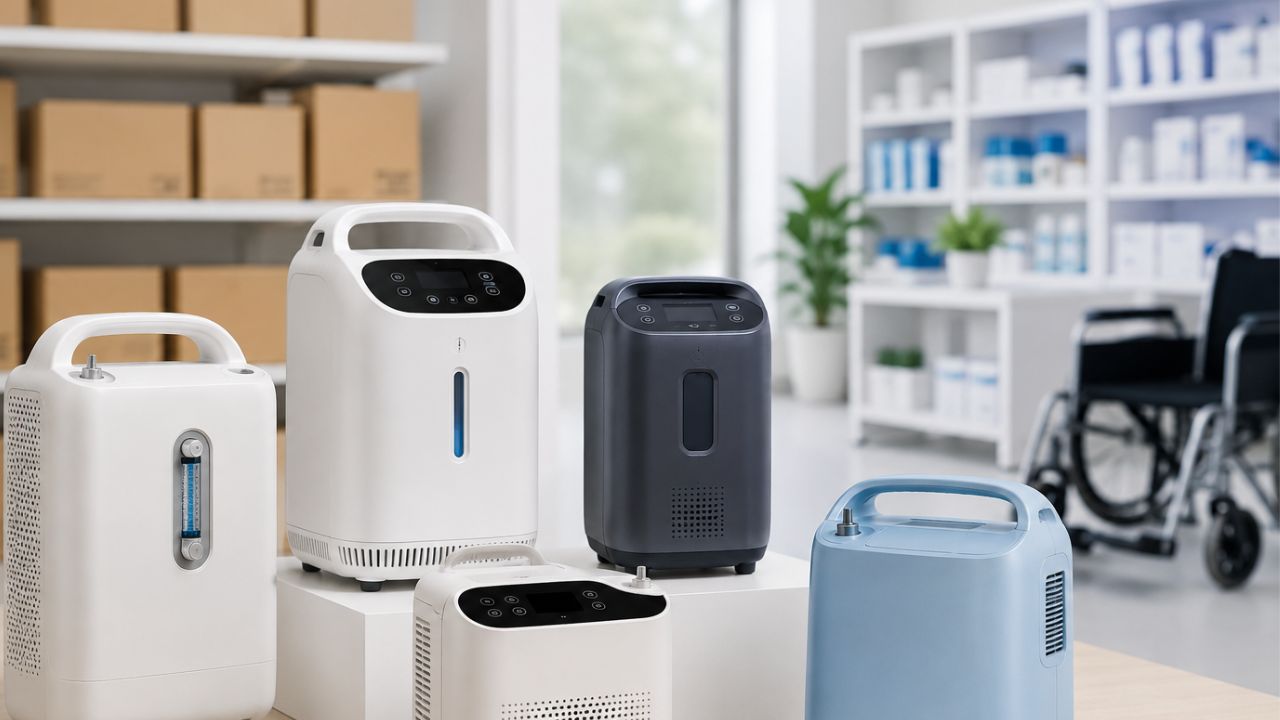
In the search for reliable medical equipment, hospitals need tools that can solve patients’ needs, and one of such devices are portable oxygen concentrators. Made for people who require oxygen at all times, these handy devices have the green light from medical professionals, as they enable users to enjoy freedom and flexibility.
Selling wholesale allows retailers to have a better margin without increasing the price. To help retailers, suppliers will still provide large discount, warranties, and training. Reliable oxygen concentrators are characterized by their continuous supply of oxygen and their reliable batteries, which allow the user to breathe easily.
What are Portable Oxygen Concentrators used for?
Many doctors recommend continuous flow oxygen for patients with COPD, but a portable concentrator is better than heavy tanks. This home oxygen equipment is a continuous-flow oxygen concentrator. Patients can move freely at home as they try to achieve their target saturation level.
Also, It’s small can one can plug it into the standard home outlets. Provides up to 5 L/min for severe hypoxemia
It’s a challenge to travel with patients who require oxygen, and now a portable concentrator means you no longer have to lug around the liquid tanks. It can be put into a checked bag. It has rechargeable batteries, and is compliant with the Federal Aviation Administration’s (FAA) safety rules for use during flights.
- Operates for up to 8 hours on a single charge.
- Delivers pulsed-dose flow up to match your activity needs.
- Comes with a universal power adapter to use on global outlets
A focus on active lifestyles
This lightweight concentrator is designed to be carried by active patients. Its pulsed-dose feature can be adjusted in real-time. In addition the carrying case fits comfortably on backpacks, and the battery holds up through short bursts of intense activity.
It weighs less than 5 pounds, and a oulse mode up to 6 L/min.
Performance & Portability
Current devices combine compact engineering with robust performance. They offer multiple flows. A standard unit produces 1 L/min continuous to 5 L/min pulse doses. The noise level is below 45 dB. A normal unit weighs 4.5 pounds and can run for up to 10 hours on a charged battery. The unit includes an easy-to-read LCD screen.
- Supports both continuous and pulse-dose delivery.
- The filter can be replaced during washing.
- Alarm for low oxygen (both audible and visible) on the LCD.
How Portable Oxygen Concentrators Work
Patients with chronic lung conditions now have small, portable devices that can carry oxygen with them anywhere. These small devices pull air from the air, separate oxygen, and deliver it to the patient through a nasal cannula, meaning they can travel, exercise, or perform chores without heavy tanks and without lowering their blood pressure.
Each concentrator uses pressure swing adsorption to trap nitrogen and let oxygen flow. Air enters a chamber made of zeolite under high pressure and then slowly releases the nitrogen back into the air, leaving a 99.0% oxygen-rich gas. This process can take place several times per second, allowing the stream of oxygen to flow steadily without storing it.
Unlike standard tanks, oxygen is delivered in liters per minute. This mode is best suited for patients who need constant intake of oxygen at night or when the user is in high-demand positions. Pulsedose delivers a quick burst of oxygen only when the device detects a breath. The bolus is measured and matched with the inhalation. This technique saves battery life and is suitable for those who travel often and feel pressure from the device.
Features
- Lightweight (2–5 lb) for portability
- The rechargeable battery (4–8 hours) provides 1–5 L/min continuous flow or pulse dose at a rate up to 40 breaths/min.
- Quiet (45 dB) for privacy
- FAA approved for travel on airlines.
- The pulse oximeter indicates SpO₂ in real time.
- A user-friendly LCD screen allows quick and easy setting changes.
All the designs can operate at 10,000 ft (3,048 m) with their MTBF greater than 20,000 hr. The devices are designated by the FDA as Class II medical devices, and they need to comply with particular performance and safety criteria.
Portable Oxygen Concentrators: Specifications to Consider
When selecting a portable oxygen concentrator, healthcare providers must weigh various practical aspects like patient autonomy and safety. These devices ensure that therapeutic oxygen is light enough for easy travel and can be used daily without hassle.
Factors such as battery duration, consistent output, and portability are vital. They provide additional oxygen therapy to individuals with chronic respiratory conditions like COPD, emphysema, or pulmonary fibrosis.
Approved by the FAA for sale in the USA, these devices weigh less than 5 pounds and meet most airlines’ carry-on criteria. They operate on a rechargeable battery that offers up to 4 hours of continuous therapy. Battery life and charging options
Battery capacity determines the actual run time of a POC. Healthcare providers should consider the stated run time, how long it takes to fully recharge, and if there is a hot-swap function. The average unit has about four hours of continuous use on a fully charged battery, with a recharge time of two to three hours from an AC or DC source.
Power & Charging System
Features
- Up to 4 hours of continuous work based on a fully charged battery.
- Recovery of expired packs in less than 3 hours under power sources of AC or DC.
- Support the hot swap function; users can swap a spent battery without therapy interruption.
- Have LED charge indicators and turn off automatically to avoid over discharge.
- Have optional car adapters for charging on the road.
Oxygen Output and Purity
The output and purity of oxygen dictate the effectiveness of $\mathrm{t_{on}}$ of a portable concentrator. Most units provide 1 to 5 L/min in continuous flow as well as pulse dose flow mode and preserve purity at approximately 93 % ± 3 %, which is the requirement by the regulators.
Features
- Up to 5 L/min (~1–5 L/min) of continuous flow to cover a wide range of prescriptions. • Pulse dose mode delivers bursts synchronized with patient inhalation.
- High oxygen purity of 93 ± 3% in all flow rates.
- Has adjustable flow knobs for accurate titration.
- Low noise operation at less than 45 dB so as to protect patients’ comfort.
Weight, Size
The ease with which patients can take a portable oxygen concentrator with them on their daily activities and while traveling depends on the weight and size of the device. Most models are under five pounds to comply with airline carry-on requirements and still contain internal components and battery packs.
Features:
- Weigh under 5 lb (≈2.3 kg) to satisfy most airline carry-on regulations.
- Small size enables you to easily take them along in your backpack, purse, or tote bag.
- Have a solid carry handle and include an optional shoulder strap to carry without your hands.
- Provide shock-resistant cases to keep internal parts safe on the road.
Portable vs. Traditional Concentrators: What’s the Difference?
Both portable oxygen concentrators and traditional oxygen concentrators are good, but there’s a little difference between them. Here they are:
Portable Concentrators
Lightweight (2–5 lbs) for easy transport.
Battery‑operated and delivers 2‑6 hours of oxygen supplies.
Pulse‑dose and continuous flow are both available.
Adhere to FAA regulations for traveling by air.
Charge from AC power or a car charger.
Traditional (Stationary) Concentrators
Dramatic cases may need high-flow oxygen (up to 10 L/min).
Run strictly off-grid electricity.
Large unit designed for home or office use.
With humidification and alarm.
They are lower compared to the portable models.
Patient mobility, active living, and severity of disease are things you must consider. Portable units weigh as little as 2 pounds or as much as 5 pounds, run on rechargeable batteries for 2 to 6 hours, and are permitted under the Federal Aviation Administration as carry-on items.
Traditional models require electricity from a wall outlet, provide a maximum flow of 10 liters per minute, and are immobile in a patient’s home or at a healthcare facility. Aligning device weight and power source with daily routine needs leads to better adherence and outcomes.
Many portable oxygen concentrators (POCs) allow the patient to have continuous flow or pulse dose with a travel-out portable oxygen tank. The pulse‑dose delivery consumes less battery, but for needs that require higher use, one can opt for the continuous‑flow delivery.
Most products charge from household AC power or via DC power in your vehicle, so you can use them on the road or at home. Such independence often leads to more patient confidence and motivation to exercise regularly, a crucial component of good pulmonary rehabilitation.
Higher capacity oxygen concentrators are usually required for clinical situations, and the traditional concentrators can deliver flow rates of up to 10 L/min for those patients battling severe COPD or having acute exacerbations, which allows them to maintain SAT levels.
These require a continuous supply of electrical power, and running them constantly keeps one’s eye on the battery draining of these devices. Their larger design enables them to contain and install humidifiers and alarm systems, making home care monitoring easier. Often, clinicians will recommend stationary units for limited mobility or for greater cost-effectiveness.
Portable Oxygen Concentrator Models (Review)
Portable oxygen concentrators give patients freedom while maintaining therapeutic oxygen levels. This review compares three top models. They are:
Best Overall: Inogen One G5
Delivers pulse-dose oxygen at up to 1,260 mL/min over six flow levels.
Offers 6 pulse dose options for personalized treatment.
It runs quietly at 38 dB, so you can talk and sleep.
Up to 6.5 hours on a standard battery, 13 hours with an extra battery (a 16-cell battery)
At 4.7 lbs (2.16 kg) with the battery, it is lightweight enough to be easily transported.
Incorporates a smart dose algorithm that adapts the flow to the patient’s breathing pattern.
Prices range roughly from $1,299 to $4,000, including a three-year warranty.
Pulse-dose delivery only, which might not be suitable for other applicants for continuous flow.
Best Battery Life: Philips Respironics SimplyGo
Pulse‑dose and continuous flow up to 2 L/min to address a variety of therapeutic needs.
It runs for about 3.5 hours at a time in continuous flow mode, up to 7 hours of operation on a single charge.
It can also be used at home or on the go; the battery included weighs 10 lb (4.5 kg).
Offers 6 pulse dose settings and continuous flow for very high-needs patients.
The oxygen purity sensor is a built-in O₂ sensor that continuously measures purity in real time and will alarm on any improper operation.
Has an LCD screen showing battery charge and flow.
The cost is about $1,500 to $2,000.
Heavier than most portable units, so portability may be an issue for some patients.
Best Value: Drive Devilbiss iGo2
- Therapy Type: This device offers pulse-dose oxygen therapy, rather than a steady flow.
- Flow Settings: Equipped with five pulse-dose levels (1 through 5), it features innovative SmartDose technology that adjusts oxygen delivery based on your activity and breathing patterns.
- Battery Life: A full battery charge provides up to four and a half hours of use, varying with settings, and the detachable battery swaps quickly.
- Weight: Weighs around 4.9 to 5 pounds (2.2 to 2.3 kg).
- Price & Warranty: The cost typically ranges between $699 and $1,300, depending on where you buy and which package you choose.
- Limitations: As a pulse-only device, it doesn’t support continuous-flow tools such as CPAP machines or meet the needs for constant flow at night.
How to Choose the Perfect Model
- Evaluate battery life concerning travel needs.
- Verify the flow rate for sudden health flare-ups.
- Compare warranty duration and customer support services.
- Factor in the total cost of ownership, including necessary accessories.
FAQs on Portable Oxygen Concentrators
How does a portable oxygen concentrator work?
The device intakes surrounding air, separates the nitrogen with a sieve bed, and delivers the concentrated oxygen to a nasal cannula. This system runs non-stop when the device is on.
What is the normal battery life of the models?
Most models provide 4-8 hours of battery life on a single charge, while high-capacity ones allow a longer run time, up to 12 hours. To prevent interruption, users should bring spare batteries for long trips.
Can patients use these machines while traveling?
The FAA allows up to 5 of its POCs. However, travelers must verify airline restrictions and carry backup battery for the flight duration.
Read also: Best Portable Health Monitoring Devices for Travelers (Compact and Reliable)
Final Thoughts on Portable Oxygen Concentrators
There are plenty of models to choose from in the world of portable oxygen concentrators, but the Inogen One G5 is rated above the rest. It provides pulse dose delivery rather than continuous flow. On major retail websites, it receives an average 4.8-star rating from users who appreciate the long-lasting battery.
Also, Retailers mentioned the G5 makes up approximately 38% of POC sales, making it the best-selling product in the category. The device’s user-friendly design give the product excellent value overall.
-
 Wearable Health9 months ago
Best Portable Health Monitoring Devices for Travelers (Compact and Reliable)
-

 Diagnostic & Hospital Equipments8 months ago
Blood Pressure Monitor Problems: Common Errors and How to Fix Them
-

 Review and guides9 months ago
CPAP Machines Buying Guide: The Best Models Doctors Don’t Recommend
-

 Wearable Health8 months ago
How to Get Accurate Heart Rate Readings from Wearables (Best devices compared)
-
 Diagnostic & Hospital Equipments5 months ago
Top Professional Syringe Infusion Pumps for ICU Setups
-

 Wearable Health8 months ago
Best Smartwatches for Health Tracking: Features that Actually Matter
-
 Home and selfcare9 months ago
Portable vs. Tabletop Nebulizers: Which is Better for Home Use
-
 Diagnostic & Hospital Equipments5 months ago
Best Surgical Microscopes for Precision Procedures (Top Brands)