
AI in Health care
The Ultimate Guide to Wearable Biosensors

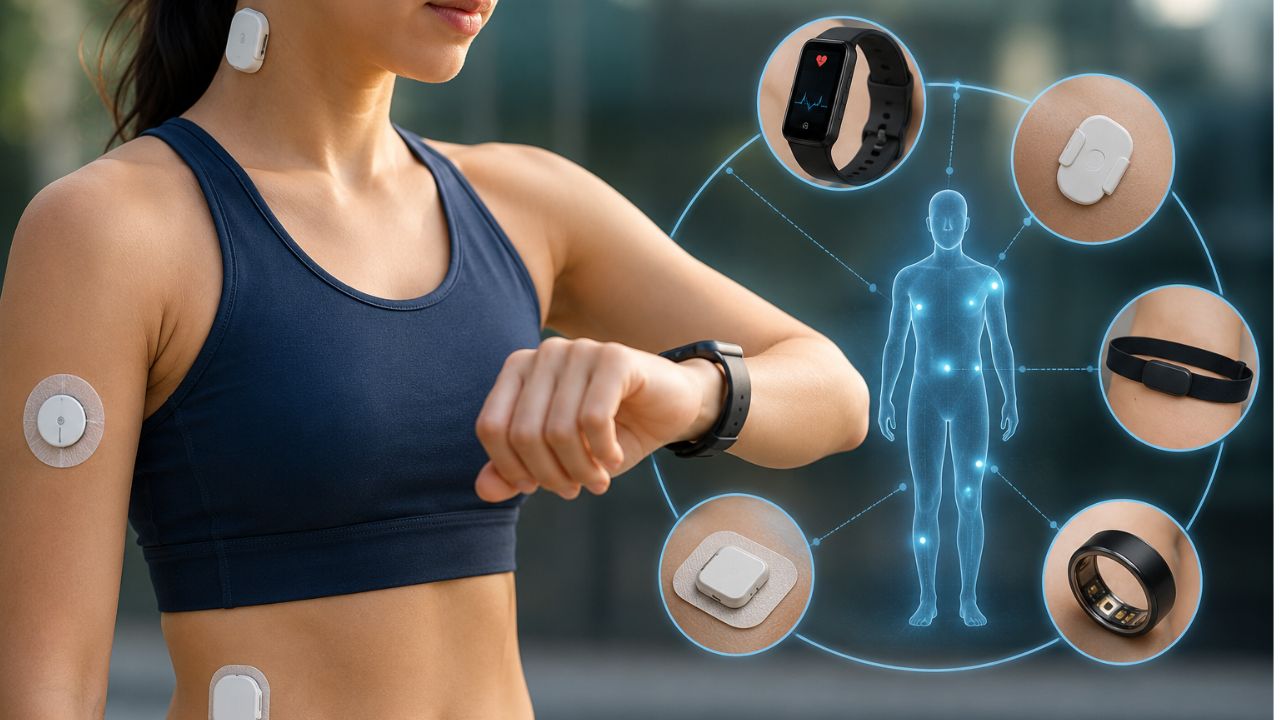
The healthcare sector is undergoing a huge transformation. Now, many are shifting from reactive medicine to preventative care. The technology spearheading this change are wearable biosensors. These are not just fancy devices; they are advanced medical devices you can wear on your wrist or stick to your skin like a band-aid.
In this article, we’ll take a look at how the sensors function, their categories, and the top wearable devices available.
What is a Wearable Biosensor?
Wearable biosensors are small electronic devices that detect biological or physical signals from the body and transmit the information to a smartphone, smartwatch, tablet, or medical device.
The simple description of this device is that it “reads” your body. It takes biological signals such as your sweat chemical composition or your heart rate, converts them into digital information, and you can access it on your smartphone or share it with your doctor.
The beauty of a wearable biosensor is that it can be continuously monitored. In the past, if you wanted to check your blood sugar or heartbeat, you had to visit a clinic. However, in recent times, these biosensors can capture your health even while you eat, sleep, work, and exercise.
How Does Wearable Biosensors Work?
- Biological Fluids: It checks liquids like sweat, saliva, and interstitial fluid (the fluid between cells).
- Biomarkers: It looks for specific markers like glucose for diabetes or lactate for muscle fatigue.
- Physiological Conditions: It monitors heart rate, oxygen, and breathing.
Why Healthcare Monitoring Is Becoming More Important
We are no longer waiting for things to go wrong before we act, and this is why monitoring is a vital part of modern medicine. When we monitor data in our bodies, we can detect disease early, prevent chronic disease, and live longer.
Here is why we should monitor our health.
The Rise of Chronic Conditions
Globally, there is an increase in chronic lifestyle diseases such as diabetes, hypertension, and heart disease. These conditions don’t appear all of a sudden. They develop over years with or without symptoms that we miss during routine yearly check-ups. However, wearable biosensors can detect these conditions.
Someone at risk of diabetes can notice how their biological fluids respond when they eat sugary meals. This real-time data helps one to modify what they consume.
Moving from Reactive to Proactive Care
The old medical model was reactive. Once you feel pain, you go for a lab test and then commence treatment. At present, we focus on proactive care. When a patient uses a wearable biosensor, they get quick results and also optimize their health.
If you track biomarkers like your heart rate or sleep quality, it will show you how stress and diet affect your physiological conditions.
Reduces the Burden on Hospitals
Constant healthcare monitoring allows doctors to keep track of high-risk patients while they are at home. If a heart patient’s patch detects an irregular rhythm, the hospital can be alerted immediately. This can prevent a minor issue from turning into a major emergency.
Precision Medicine and Personalization
Every human body is different. A diet that works for one person might cause inflammation in another. Through the use of a specialized wearable biosensor, we can move toward precision medicine.
This means treatments and lifestyle advice works for a specific data. Whether it is a device that tracks your oxygen levels or a sensor that monitors your hydration via sweat, the treatment plan is for a particular individual..
The Power of Continuous Data
When a doctor asks, how have you been feeling for the last three months? Most of us can only give a vague answer. But, a wearable biosensor provides an objective, 24/7 record of your body’s performance like:
- Real-time Alerts: It can alert you to move if your circulation is poor.
- Sleep Insights: It can identify signs of sleep apnea as it tracks blood oxygen.
- Stress Management: It can detect spikes in cortisol or skin conductance, telling you when it is time to take a breath.
Main Components of Wearable Biosensors
This comprises several parts that make the device work well. The components are:
Biological Recognition Element
This layer identifies the target substance or biological activity.
Examples:
- Enzymes
- Antibodies
- DNA fragments
- Living cells
Sensor
The sensor detects chemical, electrical, or physical changes
Signal Processor
The processor converts raw signals into digital information.
Communication Module
Bluetooth, Wi-Fi, or cellular technology sends data to connected devices.
Software
The application shows results, stores records, and provides alerts when necessary.
Categories of Wearable Biosensors
Biochemical Wearable Biosensors
These devices search for chemical changes in the body. They provide continuous information throughout the day.
Interstitial Fluid Sensors
Interstitial fluid sits under the skin and contains valuable health information.
Continuous glucose monitors (CGMs) use a small flexible filament placed just under the skin. The sensor measures glucose levels every few minutes.
Examples:
- Abbott FreeStyle Libre
- Dexcom G6
These devices help people with diabetes maintain stable glucose levels without frequent finger-prick testing.
Benefits:
- Continuous glucose tracking
- Proper diabetes management
- Few blood tests
Sweat Analysis Sensors
Electronic skin patches and wearable tattoos measure important biomarkers such as the following:
- Lactate
- Glucose
- Sodium
- Potassium
- Chloride
Uses:
- Monitors Hydration
- Sports performance
- Exercise recovery
- Prevent heat stress
Tear and Saliva Biosensors
These systems can monitor:
- Tear glucose
- Intraocular pressure
- Stress hormones
- Infection markers.
Electromechanical & Biophysical Sensors
This type of wearable biosensor tracks movement and electrical signals. Usually, they are thin, stretchable, and feel like a second skin.
ECG and Heart Rate Sensors
These sensors record electrical activity from the heart.
Many smartwatches and medical patches can monitor:
- Heart rate
- Heart rhythm
- Blood oxygen (SpO₂)
- Skin temperature
Examples:
- Apple Watch
- Medical ECG patches
- Portable cardiac monitors
Respiration and Movement Sensors
Wearable chest patches and smart clothing measure body movement.
They can monitor:
- Breathing rate
- Walking patterns
- Posture
- Sleep movement
- Activity levels
Technologies behind Modern Wearable Biosensors
Although the technologies in the tools are still improving. Here is what they contain:
Flexible Materials
Manufacturers now use lightweight materials that move naturally with the body.
Examples include:
- Biocompatible polymers
- Hydrogels
- Flexible electronics
- Electronic textiles
Edge Artificial Intelligence
Many modern sensors include built-in artificial intelligence.
Instead of sending every reading to cloud servers, the device processes information immediately.
Edge AI helps to
- Remove motion interference
- Improve signal quality
- Detect abnormal readings
- Deliver faster alerts
- Reduce battery use
What Biomarkers Can Wearable Biosensors Measure?
Each sensor detect different health symptoms.
The known biomarkers are:
- Glucose
- Lactate
- Cortisol
- Electrolytes
- Oxygen saturation
- Body temperature
- Heart rhythm
- Respiratory rate
What Are Biological Fluids?
These fluids carry essential health information throughout the body.
Examples:
- Blood
- Interstitial fluid
- Sweat
- Tears
- Saliva
- Urine.
The Physiological Conditions that Wearable Biosensors Monitor
These devices monitor several physiological conditions, such as:
- Heart rate
- Blood oxygen
- Body temperature
- Sleep quality
- Physical activity
- Breathing rate
- Blood glucose
- Stress response
- Hydration
- Blood pressure trends
Top 5 Wearable Medical Devices
To help you understand the current market, here are the five essential wearable medical devices.
Continuous Glucose Monitors (CGMs)
A CGM is a sophisticated wearable biosensor for people living with diabetes. It doesn’t use the traditional finger-prick blood tests.
Rather, a small patch with a tiny, flexible filament that sits just under the skin. In addition, it measures glucose levels in your biological fluids.
Real-Time Data: It sends sugar levels directly to a smartphone or insulin pump.
- Trend Tracking: It shows if your levels are rising or falling after a meal or exercise.
- Safety: It alerts the user (and often their doctor) if sugar levels become too high or low.
ECG Monitoring Patches
While some watches can take a heart reading, a dedicated ECG (electrocardiogram) patch is recommended. These are small, paste strips you stick directly to your chest.
They are much more accurate than wrist-worn devices because they are closer to the heart and are not affected by arm movement.
- Heart Rhythm Detection: They are used to find irregular heartbeats, such as atrial fibrillation (AFib).
- Extended Use: A patient can wear a single patch for up to 14 days. It captures heart data during sleep, work, and exercise.
- Wireless Connectivity: Modern patches stream data to a cloud-based platform where cardiologists can review the findings in real time.
Smartwatches with wearable biosensors
Advanced versions from brands like Apple, Samsung, and Google have medical-grade sensors cleared by health authorities. These devices monitor several biomarkers through light-based technology (PPG) and electrical sensors.
- Blood Oxygen (SpO₂): They measure the oxygen your red blood cells carry.
- Sleep Vitals: They can detect disruptions in breathing that may suggest sleep apnea.
- Vital Alerts: They can notify you of an unusually high or low resting heart rate.
Wearable Blood Pressure Monitors
There are wearable blood pressure monitors that fit on your wrist like a watch. These devices use advanced “oscillometric” technology to inflate a small cuff inside the strap.
- Hypertension Management: They allow multiple readings which helps doctors understand “white coat hypertension” (stress caused by being in a clinic).
- Automatic Logging: Every reading is saved in an app. It makes it easy to see how medication and diet affect your blood pressure.
Wearable Cardiac Rhythm Monitors
Some of these take the form of incredibly thin, stretchable smart stickers or even smart clothing. They depend on the electrical signals of the heart over weeks or months to catch rare but dangerous cardiac events.
- Post-Surgery Care: These are used for patients who are just recovering from major heart procedures.
- Biophysical Tracking: They monitor heart rate variability (HRV).
- Discreet Design: Most of these devices are so thin that they can be worn under regular clothing without being noticed.
What Are the Examples of Wearable Biosensors?
There are plenty of them. The popular ones are:
- Abbott FreeStyle Libre
- Dexcom G6
- Apple Watch
- LifeSignals wearable patch
- Smart ECG patches
- Smart rings
- Electronic skin patches
- Smart contact lenses under development
- Smart health bands
Benefits of Wearable Biosensors
A modern wearable biosensor uses materials like hydrogels and e-textiles to stay comfortable. They also use Edge AI. This means the device cleans the data on your arm before sending it to the cloud.
The Key benefits are:
- Continuous healthcare monitoring
- Detects disease on time
- Better chronic disease management
- Promotes personalized treatment
- Improves patient engagement
- Support remote healthcare support
- Better medication monitoring
- Real-time alerts
- Greater convenience
Where to use wearable biosensors
The devices can be used in managing and monitoring the following medical conditions:
Diabetes Management
Continuous glucose monitors help patients maintain their glucose levels.
Benefits:
- Better insulin adjustment
- Improved glucose control
- Fewer emergency cases
Cardiovascular Care
Healthcare providers can review patient data remotely and respond almost immediately.
Uses are to:
- Detect Arrhythmia
- Monitor heart failure.
- Track blood oxygen.
Hypertension Monitoring
Wearable devices help patients follow blood pressure trends over time. However, many still require cuff calibration.
Chronic Kidney Disease
Researchers now combine biochemical monitoring with artificial intelligence to identify changes that may point to kidney problems.
This may support earlier intervention and better disease management.
Athletic Performance
Professional athletes and fitness enthusiasts use wearable devices every day.
They track:
- Lactate levels
- Hydration
- Recovery
- Muscle fatigue
- Heart rate
- Training intensity.
Preventive Healthcare
The early signs may include:
- Irregular heartbeat
- Low oxygen levels
- Fever
- Reduced activity
- Abnormal sleep patterns
This new era of healthcare is personal, data-driven, and proactive.
Challenges of Wearable Biosensors
Although the technology provides real-time health data, there are a few concerns, such as
- Data privacy concerns
- Sensor calibration
- Motion interference
- Causes skin irritation
- Wireless connectivity issues
- Regulatory approval
Read also: Cloud Computing in Healthcare: Applications and Benefits
Final Thoughts on Wearable Biosensors
We are moving away from the days of guessing why we feel tired or waiting for a yearly check-up to uncover a problem. These small patches and smart devices act like a quiet partner, watching over our vitals while we live our lives.
Whether you want to manage a condition like diabetes or are just trying to sleep better, having this data at your fingertips is empowering. It makes you be in charge of your health. This new era of healthcare is personal, data-driven, and proactive.
Perhaps we should start with this. Which chronic disease are you having? This will help us suggest a perfect wearable biosensor for you.
I hope this was helpful. For more updates, kindly follow us on our social media handles.
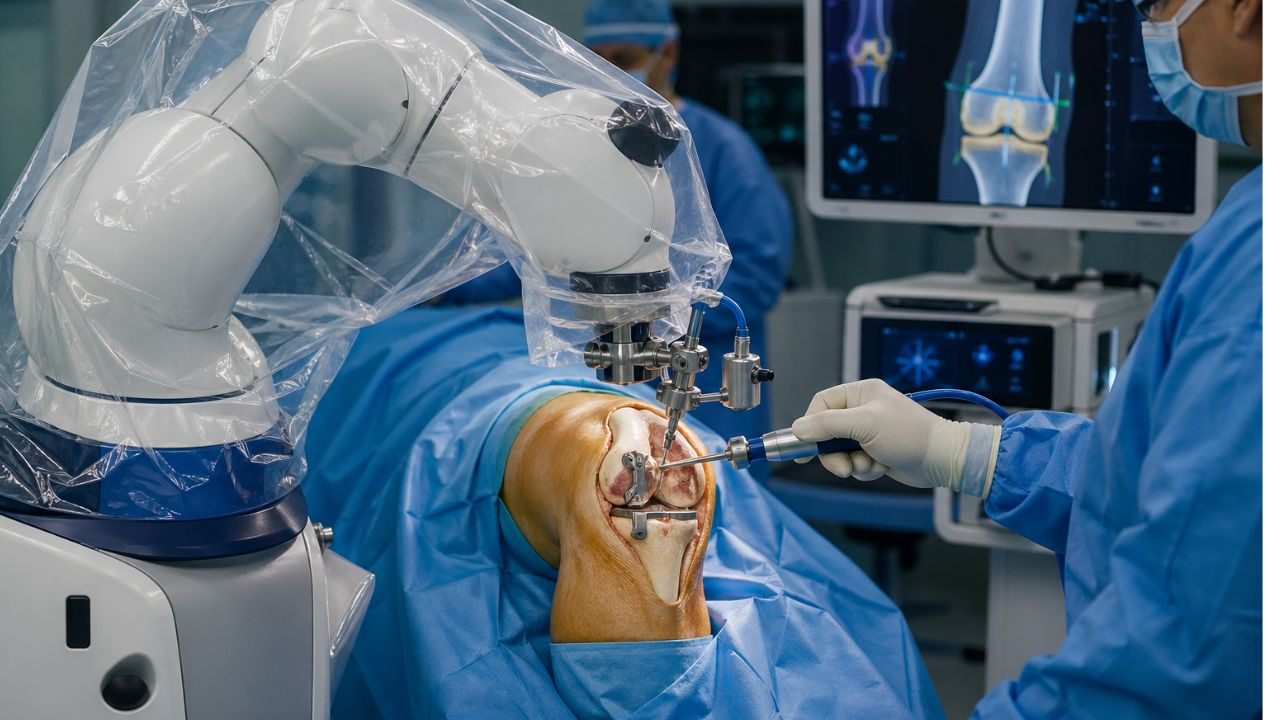
While many of us can relate, living with knee pain is not something you should take lightly. If you are living with osteoarthritis, you know what it feels like when your joints start grinding like old engine parts. Simple movements like walking or getting out of a chair become a struggle every single day. Chronic knee pain steals your joy and makes you feel much older than you are. But today, robotic knee replacement surgery can help. With this new technology, surgeons can now fix your knees and get you back to normal mobility.
Chronic knee pain caused by the progressive wear and tear of osteoarthritis is more than a physical illness. As cartilage in the knee joint breaks down, it creates bone-on-bone friction. When conservative treatments like physical therapy and injections do not provide relief, the thought of traditional surgery can seem discouraging.
However, things have changed in the world of orthopedics. Today, we are experiencing robotic-assisted knee replacement, a new type of knee replacement that allows doctors to bypass the limitations of traditional surgery.
What is Robotic Knee Replacement?
Before even stepping into the operating room, the surgeons take a CT scan of your knee and create a 3D digital map of your bone structure. Because every patient’s anatomy is slightly different, this map allows the surgeon to design the exact size and placement of your new joint. They see every single detail about your knee.
The robotic arm is used by the surgeon to remove the bone and cartilage damaged during the surgery. The robot follows a digital plan that was generated from your scan. If the surgeon moves the tool even a millimeter outside the planned area, it creates resistance or stops completely.
This prevents the surgeon from damaging the healthy tissue or removing too much bone. It is like a high-tech GPS for your knee to keep it on the right track.
It ensures that your new joint fits better. In a traditional knee replacement, the surgeon uses a manual tool and their own sight to fix the new joint. Experienced surgeons can do this very well, but the robotic system makes it more accurate.
Robotic Knee Replacement vs. Manual: Which Knee Surgery is Better?
When you have persistent knee pain, the next thing that comes to your mind is to go for surgery. In this situation, you have two options.
Manual surgery or robotic-assisted surgery
Both approaches are safe. However, how the surgeon gets there is different.
Manual Knee Replacement: The Traditional Standard
During this surgery, the surgeon uses handheld instruments to position the new joint.
They use physical guides to make the necessary cuts in the bone. The success or failure of this operation will also depend on the surgeon’s experience.
Robotic Knee Replacement: The High-Tech Assist
Robotic surgery does not mean a machine does the operation and the doctor is just watching. The surgeon is still in charge. The robot’s just a tool to help with accuracy.
A computer makes a 3D map of your knee. The robotic arm directs the surgeon to stay within the lines of that map during the operation. This prevents the surgical tool from going out of the planned area. This allows the surgeon to position the new joint with extreme accuracy, sometimes to the millimeter.
The Similarities
1. Accuracy and Fit
The robot provides a level of accuracy that the human eye may not achieve. Because all knees are unique, the robot allows for a personalized approach to knee replacement surgery based on your individual anatomy. This often leads to a more “natural” feeling knee once it heals.
2. Recovery Time
There is a somewhat speedier recovery, if only a slight one, for those who have robotic surgery. The cuts are more accurate, so there is less trauma to nearby tissue and ligaments. This results in less swelling and pain in the days after surgery.
3. Long-term end points
Both surgeries have good long-term success rates. Most patients are happy with their results, no matter what method is used.
Is Robotic Surgery Always Better?
Not necessarily. The most important thing is not the machine, but the person operating it. A skilled surgeon who has performed thousands of manual replacements will probably give you an excellent result. In addition, robotic surgery costs more. Not every hospital has this technology, and insurance coverage can sometimes be different.
Which One Is Right for You?
If you have a complex deformity in your knee, a robot’s precision might be a big help. For a common example of wear-and-tear, manual surgery is a proven option.
Here’s what you should do next:
- See if your insurance covers the robotic-assisted version.
- Inquire about the specific recovery time for your health level.
Do Surgeons put Patient to Sleep for Robotic Knee Replacement?
As you prepare for a robotic knee replacement, know this. You’ll not experience any sensation during the operation. Many people believe that general anesthesia is necessary. There’re options based on your health and your surgeon’s recommendations.
The first option is general anesthesia, a traditional method where you will remain unconscious throughout the surgery. The other is a spinal block with “twilight sleep.” The medical team administers anesthesia from the waist down to prevent pain. They also give sedative medication through an IV, which induces a deep sleep. While this is on, you remain unaware of the sounds and movements in the operating room.
The presence of the robotic system does not alter the anesthesia process. It serves as a precise tool that assists the surgeon in mapping your bone structure and positioning your new joint. Regardless of being fully asleep or in a sedative-induced state, the robotic system works under the surgeon’s command.
Ideally, you should consult an anesthesiologist who will assess your cardiovascular and pulmonary health, to determine the safest anesthesia option.
Who can have a Robotic Knee Replacement?
Surgeons often advise robotic assistance for individuals with:
Severe Osteoarthritis: The leading cause for surgery, where knee cartilage deteriorates. This results in stiffness and acute pain. Robotic systems enable surgeons to map your bone structure and position the implant correctly.
Complex Knee Anatomy: Bone shapes are different among individuals. The robot generates a 3D model of your knee before any incisions.
Persistent Pain and Stiffness: Constant morning stiffness or a dull ache even at rest may indicate irreparable joint damage. If such pain affects your sleep, a knee replacement might be needed.
General Health: Surgeons assess if patients are fit for anesthesia and ready for the recovery process. You don’t need to be an athlete, but you should have sufficient strength to move soon after the procedure.
Robotic Knee Replacement: What Happens After Surgery
How well your new knee functions in your day-to-day activities depends on your recovery efforts.
The Initial 48 Hours
Once you wake after the surgery, a physical therapist will likely assist you to stand and walk a few steps with a walker.
During these days, the focus is on managing pain and maintaining proper blood circulation. You must adhere to a pain medication schedule to prevent discomfort, and nurses will show you simple ankle exercises you can do in bed. These exercises help reduce swelling and prevent blood clots.
Rehabilitation
While the robot ensures perfect alignment of the joint, your muscles needs to adjust. Physical therapy commences after the surgery. You’ll be tasked with exercises to fully extend your leg and bend it to a certain degree. Regular movement helps to avoid scar tissue that can restrict joint mobility. Neglecting these exercises may lead to stiffness.
Long-Term Prospects
Information on robotic knee replacements show high rates of patient satisfaction. The robot provides a “custom” fit based on your bone structure, resulting in many patients feeling their knee is more natural than expected.
Most individuals resume low-impact activities, such as walking, cycling, or swimming, within six to twelve weeks. These knee replacements shows that most remain functional for at least 20 years.
Read also: Best Surgical Lights: LED Operating Room Lights
Conclusion
Robotic knee surgery provides your surgeon with a state-of-the-art assistant for enhanced accuracy. Before the operation, a scanner generates a 3D model of your leg. This blueprint enables the surgeon to strategize each incision in accordance with your unique bone structure.
During the surgery, the robotic arm keeps the instruments aligned, thereby ensuring a perfect fit for the new joint. This care prevents the surgeon from deviating even slightly from the plan. Such meticulous detail safeguards your healthy ligaments and contributes to more natural movement.
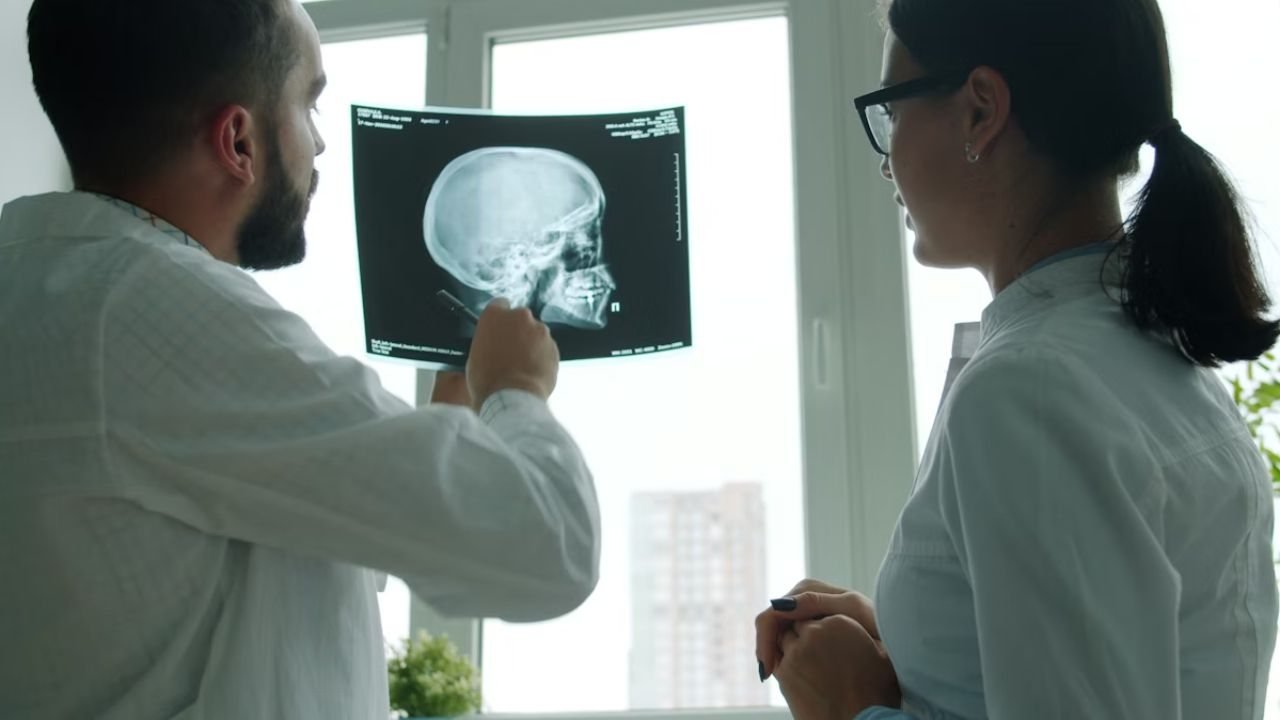
In the last few years, there have been exciting developments in medical imaging. Film X-ray was the traditional way, but recently, some health facilities are using digital X-ray for their radiography. Digital X-ray vs film X-ray: Which one do you consider the best?
This question is quite technical, so I don’t expect a straight answer. Many industries are embracing technology to boost efficiency the health sector included. But how do these two imaging technologies work? Film X-rays produce consistent, reliable diagnostic images; on the other hand, the digital X-ray system has higher speed, quality images, and easy storage and management.
But it turns out technology has made medical imaging work differently. Instead of exposing film, a digital X-ray system uses a sensor to capture the radiation, which is then converted directly into electronic images. The device transmits the information to a computer, and the result is displayed on the screen a few seconds later.
But is digital always the better choice? And what is it exactly that differentiates it from the traditioner imaging system?
What is a digital X-ray?
Digital X-ray is a form of imaging where radiographic images are captured electronically rather than relying on traditional black and white photographic film.
As an alternative to exposing X-ray film, a sensor or digital detector is used to capture the radiation signals. The signals are then converted by the detector into digital data. A computer processes the data, and the images are available on a screen in a matter of seconds. It omits some steps that are traditionally found in radiography.
In film imaging, the technicians have to develop the film to see the outcome. Digital imaging excludes that step. A typical digital X-ray system includes the following:
- An X-ray machine
- A digital sensor or detector
- Computer software for image processing
- A workstation for viewing and storing images
When an image is taken, it displays on the computer monitor immediately. With this, radiographers can adjust the brightness, enlarge the details, and then send the files. This easy workflow is one of the reasons healthcare providers prefer digital radiography.
How Traditional Film X-Ray Works
Film radiography is the orthodox method radiologists used before the introduction of digital x-ray. Although some clinics still use them . In this system, the machine sends X-ray radiation through the body. The radiation reaches a sheet of film placed behind the patient.
Different tissues absorb radiation at different levels. Bones absorb more radiation, while soft tissues allow more rays to pass through. These variations create patterns on the exposed film.
The exposed X-ray film must go through chemical development in a darkroom. The process involves developer chemicals, fixer solutions, and washing stages.
After processing, the film dries, and then it shows the final image. To be honest, this workflow takes several minutes. In busy clinics, it can slow down patient flow.
Still, film radiography has one key advantage. It produces extremely high-resolution images when handled correctly. That dependability is why some institutions continue to use film systems.
The Difference Between Digital X-Ray vs Film X-Ray
The only thing that separates digital and film imaging is the way images are captured, processed, and stored. Let’s make this simple.
Image capture technology
Film X-ray uses photographic film to capture an image of radiation exposure.
Digital radiography, however, captures the radiation signal with an electronic sensor or detector. This is the basic level-out distinction between the two systems.
Image Processing
Film images must be developed with a chemical before the images can be captured. But, a digital X-ray system processes images immediately with a computer software. It only takes a few seconds for a technician to look at the images. There is no wait period.
Storage and Access
The storage is another salient point. Film images are stored or accessed manually from their storage rooms. Digital images are stored in hospital databases or on cloud storage. It makes retrieval much faster and easier.
Image Sharing
Film images must be physically transported or scanned. Digital images can be shared instantly with other specialists through electronic systems.
Workflow Efficiency
Film imaging involves multiple manual steps.
Digital imagine has a straightforward workflow.
This difference improves productivity in high-volume clinics.
Digital X-Ray Machine vs. Film X-Ray Machine
Both technologies focus on similar core equipment. The machine that produces X-rays are somehow identical. However, the imaging components are not the same.
Film X-Ray Machine Setup
A traditional film system typically includes:
- X-ray generator
- Film cassette
- Intensifying screen
- Film processing equipment
- Chemical developer and fixer solutions
Technicians must handle film carefully to avoid exposure errors.
Digital X-Ray Machine Setup
A digital X-ray system replaces film cassettes with detectors.
These detectors may include:
- Flat panel detectors
- CCD sensors
- CMOS sensors
- The sensor captures radiation data and sends it directly to a computer.
- The system then converts the data into diagnostic images almost instantly.
- This simplified process is one reason digital radiography continues to expand worldwide.
X-Ray Film Digitizers: How Conversion Works
Several facilities want to upgrade but already have large archives of film images. This raises an important question: can X-ray film be digitized for modern systems?
The answer is yes.
Clinics usually convert old film records into digital files through scanning technology. Specialized scanners capture the film image and convert it into digital data. Once scanned, the images can be stored in electronic databases.
This process allows facilities to keep historical records without maintaining large film storage rooms.
Digitizing film archives also help physicians have access to files especially if there is need to compare recent and old image.
Advantages of Digital X-Ray
There are so many benefits of digital radiography. They include the following:
Faster Image Results
Digital systems display images within seconds. Technicians can confirm image quality immediately and repeat scans if necessary.
This reduces patient waiting time.
Lower Radiation Exposure
Many digital systems require less radiation than traditional film imaging. Advanced sensors capture more data from smaller radiation doses.
This improves patient safety.
Better Image Enhancement
Digital software allows physicians to adjust contrast, zoom, and brightness.
It reveal details that may be harder to see on film.
Efficient Storage
- Digital images do not require physical storage space.
- Clinics can store thousands of images electronically.
- This reduces operational costs in the future.
Easy Image Sharing
Doctors can send images instantly to specialists across different locations. In addition, it improves collaboration and speeds up diagnosis.
Environmental Friendly
Digital imaging removes the need of chemical processing. By so doing, it removes hazardous chemicals from the workflow.
Facilities also no longer need to dispose of X-ray film and chemical waste.
Limitations of Digital X-Ray
Despite its benefits, digital radiography also comes with some challenges such as:
High Initial Cost
- Installing a digital X-ray system can be expensive.
- The detectors, software, and infrastructure require a larger upfront investment.
- Smaller clinics may struggle with these costs.
Fragile Sensor
- Digital detectors are sensitive equipment.
- A damaged sensor can be costly to replace.
- Proper handling and maintenance are essential.
Dependence on Technology
- Digital systems depend on software to operate efficiently
- Technical failures or network problems can affect system workflow.
- Facilities must maintain reliable IT support.
Advantages of Film X-Ray
While digital imaging dominates modern radiology, film systems have their advantages like:
Lower Initial Cost
- Film systems are cheaper to buy
- This makes them accessible for smaller clinics
High Image Resolution
- Traditional X-ray film can capture images properly
- Many radiologists still appreciate the clarity of film images.
Durability
Digital systems often require upgrades.
Limitations of Film X-Ray
Film imaging also has several drawbacks that modern clinics must consider.
Slower Workflow
- Film requires chemical processing before viewing images.
Storage Challenges
- Film images require physical storage space.
- Not suitable for small clinics because of lack of space.
Chemical Waste
- Film development produces chemical waste.
- Facilities must follow strict environmental guidelines when they dispose of X-ray film and processing chemicals.
- It may attract additional operational cost.
Digital vs. Film in Dental Imaging
Traditional dental X-ray film was the standard for intraoral radiography.
But in modern dental radiography, digital sensors have become the norm. There are a few reasons that dentists choose digital imaging.
The sensor is small enough to be inserted into a patient’s mouth.
Images are displayed immediately on the monitor. Dentists can zoom in on the images and show to their patients.
It boost doctor-patient relationship.
Motion Sensitivity and Image Quality
Patient motion can affect both digital and film imaging.
If the patient moves during exposure, the image may appear blurred.
However, digital systems can sometimes compensate for minor motion artifacts using processing software.
Film images do not offer this flexibility.
If motion affects the image, the radiographer must repeat the scan. It increases radiation exposure and slows the workflow process.
Maintenance and Operational Costs
The cost is what we should also consider.
Film imaging requires continuous supplies.
Clinics must buy:
- X-ray film sheets
- Developer chemicals
- Fixer chemicals
- Cleaning supplies
Digital systems require fewer consumables but depend on upgrade and constant maintenance of the equipment’s.
Facilities must maintain detectors, computers, and imaging software.
Environmental Effect
Film radiography involves chemicals and it should be disposed of properly.
Facilities discard X-ray film at their own risk; they must comply with environmental safety laws.
Silver in film can also contaminate water if not treated properly.
These chemical processes are completely done away with in digital radiography.
This is easier on the environment and on your waste disposal system.
Can Film X-Ray Still Be Useful?
With all the advances in digital imaging, film technology still has its place in certain environments.
Some rural clinics continue to use film systems because they don’t have the infrastructure.
Digital systems need stable electricity and dependable computer networks.
Film imaging can still function with minimal technical assistance..
In these cases, film radiography is still a viable option.
Which One Is Better?
Now the big question is, digital x-ray or film x-ray, which is better?
Digital radiography is rated higher than film x-ray.
It enhances speed, efficiency, and data management. Physicians can get access to images quickly and share them instantly with other specialists.
There is also less radiation exposure for patients.
Film systems may continue to be viable in under-resourced institutions.
But for long-term prospects, digital imaging still is the future of radiology.
The Future of X-Ray Imaging
How has AI transformed radiology today? Cloud storage enables hospitals to exchange imaging information with other healthcare networks.
Digital portable machine units help image in emergency departments, operating theaters, and the field.
These advancements are directly built upon the digital radiography platform.
Film technology has its place in the history of medical imaging. But with the digital transformation, everything about the way healthcare providers diagnose disease is being transformed.
Read also: MRI Machine vs. CT Scan: Which Imaging System Should Your Facility Invest In?
Final Thoughts
The discussion surrounding digital X-rays vs film X-rays is reflective of the larger changes to the medical industry.
Film radiography made a difference in patients’ lives for decades. It gave good pictures, and it helped to diagnose several sicknesses.
But digital imaging brings exciting new opportunities and possibilities.
A modern digital X-ray system produces images at a higher speed, stores them effectively, and facilitates clinical workflow. Doctors can review results faster.
Having said that, each system depends on the cost and storage capacity of the health facility.
So when somebody asks, Which one is better?
For modern facilities, the answer is digital radiography. It increases efficiency, patient safety, and long-term management of images.
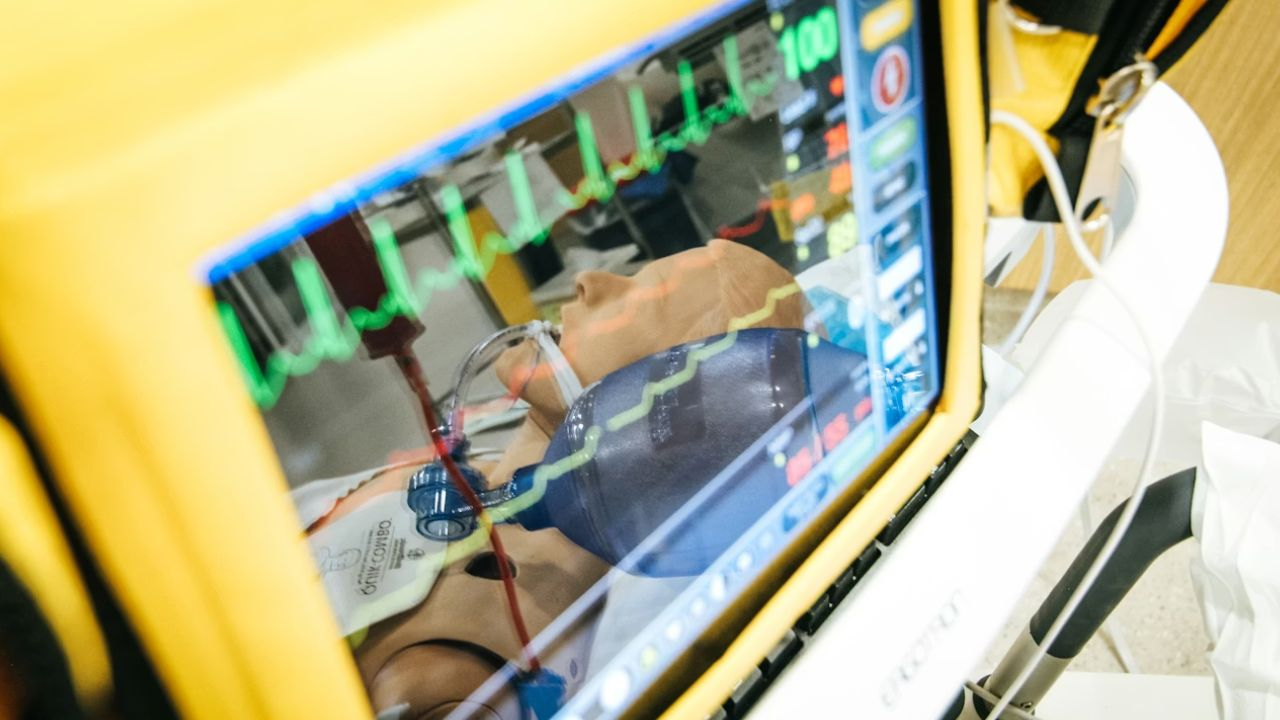
Remote Patient Monitoring (RPM) is not new. RPM is already redefining care delivery. Through digital technology, hospitals and clinics can now monitor patients remotely. The patient doesn’t need to visit the hospital or clinic.
Ongoing care is vital to a patient’s recovery. The good thing about this is that a sick person can still get the desired healthcare right in their home.
With technology advancing by the day, many sectors, the heath included, are enjoying the benefits. Instead of a regular doctor’s visit to the hospital, you can get that done in minutes through special health devices.
The idea is to detect health changes early. The truth is, it is easier to treat an ailment at its early stage. That’s why RPM is now a standard of care, and it helps patients keep track of their health status without visiting the hospital.
What Is Remote Patient Monitoring?
Remote patient monitoring (RPM) is the use of digital technology to collect basic health information from individuals in one location, and then transmit it online to a provider for assessment.
When the data gets to a clinician, he or she will review it. RPM can monitor heart rate, blood pressure, symptoms, and daily routines. Also, they notify you if there are changes in your body system.
Take note of this: RPM is not a substitute for regular doctor visits. However, it complements in-person visits. The main purpose is to augment the physician with real-time health data and facilitate better care decisions, and nothing more.
Best example of Remote Patient Monitoring
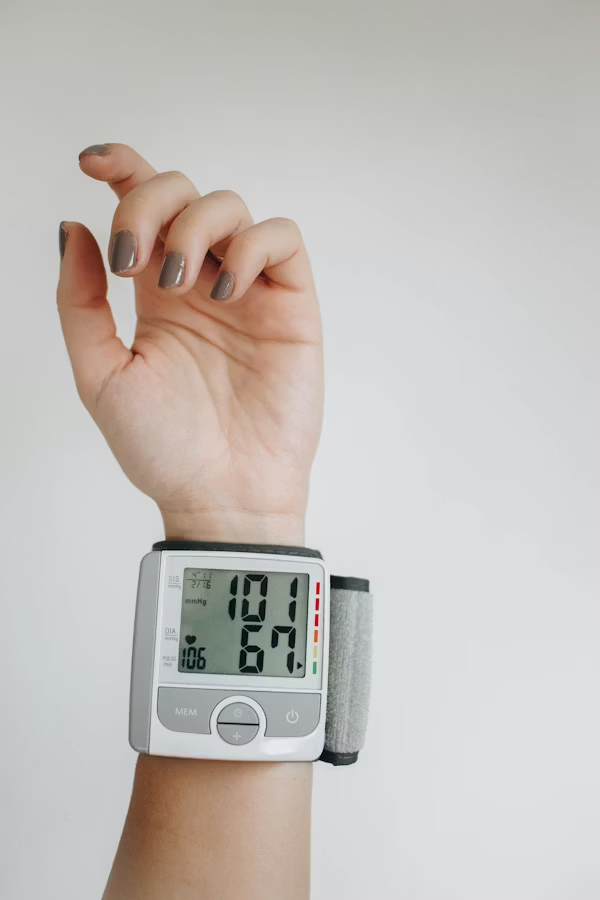
One of the best examples of RPM is the ability to monitor hypertension at home. Patients use a digital Cuff to check the readings automatically, then send them to a secure monitoring site.
Clinicians analyze trends, not single readings. This method is more accurate. Whether you check it at home or in the clinic, the result is the same. Moreover, the device allows you to detect trends, such as morning spikes or a reminder.
Most importantly, it means fewer trips to the hospital. Providers can remotely adjust treatment plans. Patients get all the support they need, too. This is the delicate balance that makes RPM successful.
An Example of an RPM Device
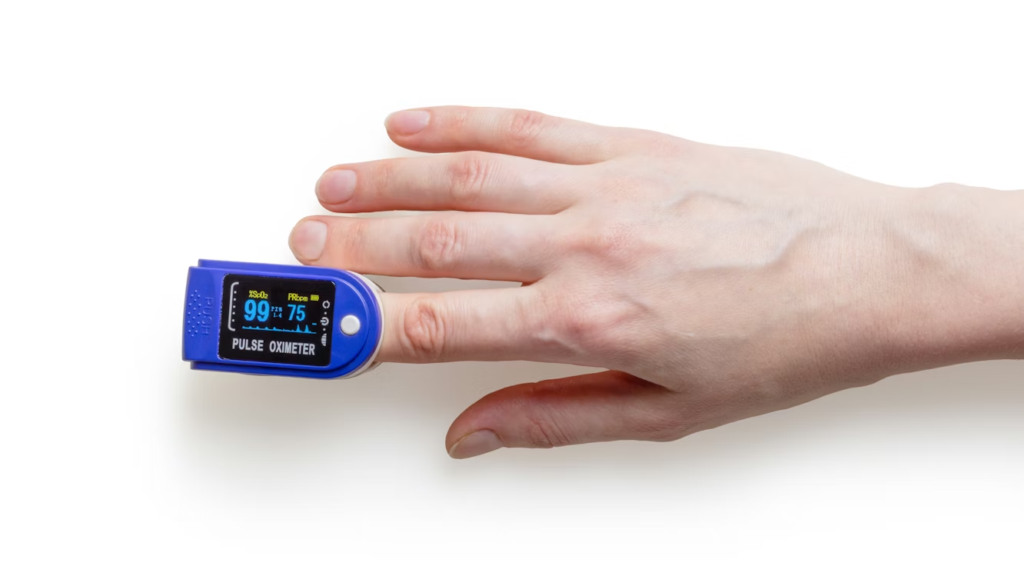
A popular remote patient monitoring (RPM) device is a wearable pulse oximeter. It tests the amount of oxygen in the blood and pulse rate.
A patient wears the device on a finger or wrist. It gathers health data and transmits it through a mobile app or a home hub. The person wearing the device gets an alert if the numbers or codes are outside a safe range.
Pulse oximeters have become common in respiratory therapy programs. Individuals with lung issues, heart diseases, or post-surgery can use it without any complications.
The most appealing aspect of this device is that it is easy to use. Patients do not need skills. All they need to do is wear it on a regular schedule. It vibrates and notifies you of any possible danger.
Who needs remote patient monitoring?
Any person sick can use it. There is no age barrier. However, it is better for people with chronic conditions. Basically, people with long-term chronic health conditions such as diabetes, high blood pressure, asthma, and heart disease benefit more.
In addition, any disease that requires frequent check-ups and periodic adjustments in treatment needs it.
Post-surgical patients can also be eligible. Patients discharged from the hospital recently can be monitored with high intensity at home.
Even in some cases, end-user policies are applicable. As an example, the users of Medicare can be eligible if they have one long-term illness that needs constant monitoring.
Finally, it is the healthcare teams who decide who is eligible. They take into consideration the health status.
How Remote Patient Monitoring Works
First, patients need the health device. Your doctor may recommend that based on your health needs. After that, they will guide the patient on how to use it. The device collects the data, which you send to the dedicated channel for proper analysis.
Every day, or immediately, health workers review the information. Alerts notify you if something is abnormal. There is no delay.
Uses in Healthcare
Remote patient monitoring is used in a variety of medical areas. It helps medical providers track the progress of a condition and the effectiveness of the current treatments. Also, it monitors post-operative recovery by tracking motions, pain, and vital signs of the body.
Mental health services also use remote patient monitoring. They keep an eye on sleep, activity, and daily habits. Individual care plans are developed from the information.
Benefits for Patients
Remote patient monitoring is helpful in diverse ways. Some of the benefits are:
1. Reduces Hospital Visits
It reduces frequent visits to the hospital. With RPM, you will reduce your visits to the hospital drastically. That saves a lot of time, money, and energy.
2. Reduce Stress
Not everyone has a caregiver or someone to look after them. If you are in this category, perhaps you should discuss this with your health care provider. RPM gives you the assistance you may need from caregivers.
3. Can Spot Early Abnormalities
The ability to discover minor alterations in health at an early stage is one of the benefits of the remote patient monitoring devices. The discovery helps to cure the disease before they deteriorate.
4. Comfort at Home
Patients stand in the place where they are used to. They sleep in their own bed. They appear to be less serious and to be happier.
5. More Awareness
Patients can get their health statistics. They know that things are good and bad for the body. It makes them wiser regarding their care.
Benefits for Providers
Healthcare providers derive several benefits from remote patient monitoring. Instead of a single checkup, they can track health numbers on a daily basis. It allows them to know patients better.
Alerts help them know who needs help. These pop-ups inform health practitioners of people that needs assistance the most. It makes work easier, and it saves time.
Remote patient monitoring is a way to keep people out of the hospital. Even at home, doctors and nurses can monitor patients from afar.
Benefits for Healthcare Systems
At the level of the healthcare system, such monitoring makes care work better and makes care work last.
The possibility of patients coming back after a check-up in the hospital is near-zero. The same way, the number of people in the emergency room is reducing by the day. Detecting health problems early can prevent serious conditions from developing.
With more people around the world needing medical care, this system ensures high-quality care without building more hospitals.
Remote Patient Monitoring Programs
Cardiologists also use RPM to monitor patients with heart disease remotely.
- For continuous glucose monitoring. These are medical devices that provide instant glucose information and trends.
- RPM is effective in pulmonary care programs like COPD and asthma.
These examples show that RPM is useful in clinical workflows but not as an independent service.
Remote Healthcare Monitoring in COVID-19.
The coronavirus crisis changed the healthcare provision process. During a large part of the pandemic, government-run hospitals in India were overwhelmed. Then, Remote health monitoring became a veritable approach.
Individuals with mild symptoms didn’t bother to see a doctor because they were closely monitored. Strategically, doctors only attended to patients with serious medical conditions.
Pulse oximeters were useful instruments at this time; they are still of great value. Their work is to check oxygen levels every day and share reports.
This method reduced the high chances of transmitting the disease. It was also easier to know when someone’s health was deteriorating.
Home monitoring is not merely a luxury during the pandemic. It clearly shows the importance during emergencies like the COVID 19.
Lessons
The delivery systems were more effective because of the smooth-flow of information from patient to doctor. The point that patients can manage or monitor their health situation boost their confidence.
Moreover, it is easy to use. You don’t have to be a techie to use it. However, you need proper guidance.
Concrete guidelines do come in handy. Patients were educated on what to observe and when to call to seek help. There were also improvements in the healthcare sector globally.
Data Security and Trust in RPM
Health monitoring technologies require you to have a high level of trust.
Health information is personal. RPM doesn’t expose a patient’s data. There are strong regulations that protect patient data, which is highly confidential.
Information can be encrypted, and layers of protection can be added around information, limiting access. Explicit protocols contribute to ensuring that information is managed appropriately.
Patients are more at ease when they understand how their health information is protected.
Proper supervision and safety protocols ensure that these programs are effective and safe for all.
Clinical Accuracy and Reliability
Monitoring devices for health must comply with stringent safety regulations before they can be adopted. These regulations ensure that the devices provide accurate and safe outputs.
The devices are thoroughly tested and certified by the health authorities. This examination ensures that the data they gather is reliable.
Good systems don’t generate false alarms. False warnings can induce panic and confusion. Good quality devices prioritize distilling complex health data into simple and actionable information.
Doctors are still important. Technology guides them toward better decisions, but it doesn’t replace their education or experience.
The Human Side of Remote Monitoring
Even though remote patient monitoring relies on technology, it needs human effort for proper interpretation.
Patients want reassurance that someone is paying attention to their health condition. Programs perform better when they assist rather than monitor patients.
Routine updates and clear communication ensure that patients get adequate care.
The nurses are still very important. Their warmth, lucid explanations, and prompt attentiveness matter. The best use of technology is when it complements human care and enhances the connection between patients and the healthcare team.
Challenges
Remote patient monitoring has many benefits, but it also has challenges.
Not everyone has the necessary technology. A few patients still do not have a reliable internet connection or a smartphone, which makes using monitoring devices more difficult.
There can be a downside to having too much health data, too. Care teams can get overwhelmed by the information if it isn’t properly filtered.
Patient engagement can vary from patient to patient. Some people are not diligent about using their devices, or they may not appreciate the importance of doing so. Educating the patients and motivating them to do so is necessary.
Remote patient monitoring programs must address these issues. Like software, they must be updated and upgraded.
The Future of Remote Patient Monitoring
The future of RPM will give care teams a clearer understanding of health information and enable each person to receive better support.
AI will be used to sift through and make sense of massive amounts of health data. It also identifies health risks at an early stage, in some cases before a person even becomes ill.
Wearable gadgets, too, will get better. They are light and comfortable to wear on a daily basis. Multiple sensors could be integrated into clothes or watches so they can be used without interrupting day-to-day life.
Healthcare systems will also integrate better. Various devices and applications will have the means to exchange data seamlessly, enabling better integration among them. Care teams can now access a more complete picture of a person’s health.
But remote patient monitoring in the future won’t stop at passively monitoring your vital symptoms. It will anticipate complications at an early stage and aid in treating patients before the diseases lead to serious conditions.
Why It Is Here to Stay
RPM solves critical healthcare challenges. It brings care closer to the patient and reduces cost. It’s also enabling people to achieve better health outcomes.
This mode of care is useful for seniors and chronic-illness patients. These populations usually need constant check, and remote monitoring enables them to do that without making hospital visits too often.
A lot of patients now expect healthcare stress-free and connected. Remote patient monitoring meets this demand by enabling care delivered at home, with digital tools.
And because it increases access, decreases cost, and promotes better health, RPM will also be a big part of the future of health care.
Read also: AI in Medical Imaging: What is Coming Next
Final Thoughts
Health care is evolving, and care is migrating closer to where people live. A trusted technology can improve care.
When embraced with care and consideration, Remote Patient Monitoring can make patients feel better, and healthcare systems as well play a more significant role in the future of healthcare.
-
 Wearable Health8 months ago
Best Portable Health Monitoring Devices for Travelers (Compact and Reliable)
-

 Diagnostic & Hospital Equipments8 months ago
Blood Pressure Monitor Problems: Common Errors and How to Fix Them
-
 Home and selfcare8 months ago
Portable vs. Tabletop Nebulizers: Which is Better for Home Use
-
 Wearable Health7 months ago
Best Smartwatches for Health Tracking: Features that Actually Matter
-
 AI in Healthcare6 months ago
Robotic Surgery Systems: Scope, Design, and Implications
-
 Wearable Health8 months ago
How to Get Accurate Heart Rate Readings from Wearables (Best devices compared)
-

 Review and guides9 months ago
CPAP Machines Buying Guide: The Best Models Doctors Don’t Recommend
-
 Diagnostic & Hospital Equipments8 months ago
Upper Arm vs. Wrist Blood Pressure Monitors: Which Should You Buy?