Uncategorized
6 Best Heatmap Plugins – I Test, Review and Compare


Lorem Ipsum is simply dummy text of the printing and typesetting industry. Lorem Ipsum has been the industry’s standard dummy text ever since the 1500s, when an unknown printer took a galley of type and scrambled it to make a type specimen book. It has survived not only five centuries, but also the leap into electronic typesetting, remaining essentially unchanged. It was popularised in the 1960s with the release of Letraset sheets containing Lorem Ipsum passages, and more recently with desktop publishing software like Aldus PageMaker including versions of Lorem Ipsum.


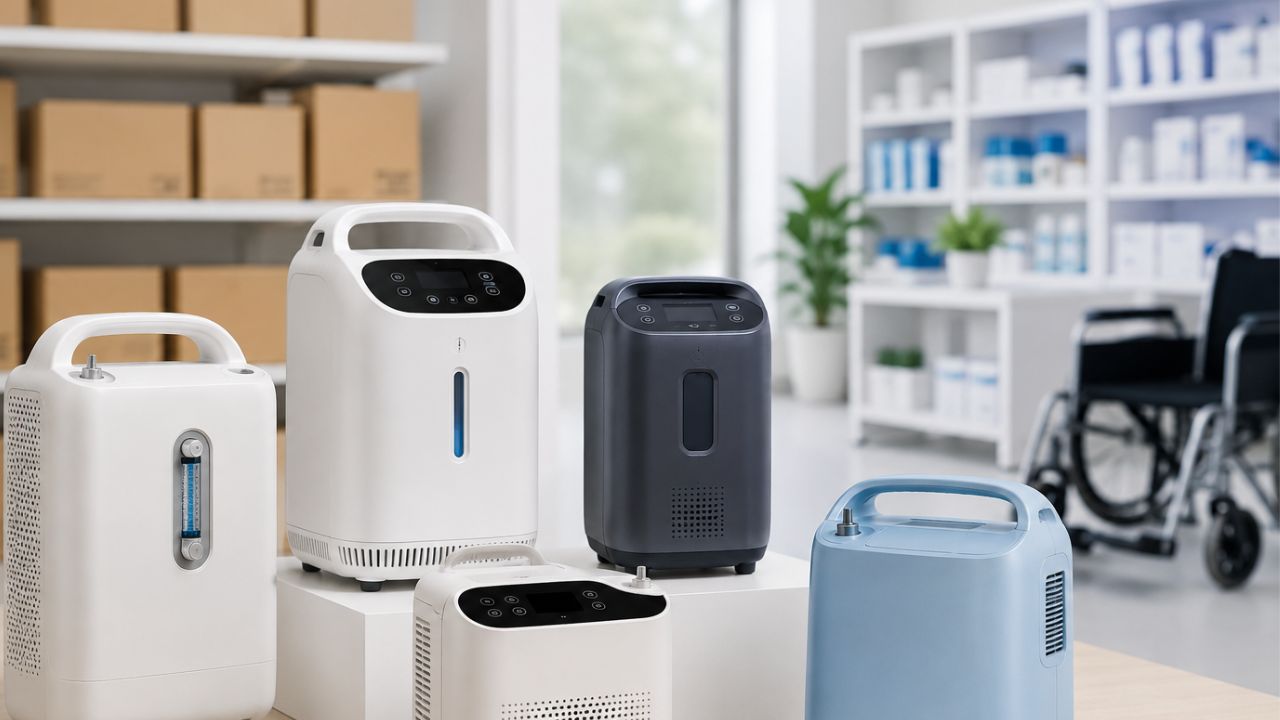
In the search for reliable medical equipment, hospitals need tools that can solve patients’ needs, and one of such devices are portable oxygen concentrators. Made for people who require oxygen at all times, these handy devices have the green light from medical professionals, as they enable users to enjoy freedom and flexibility.
Selling wholesale allows retailers to have a better margin without increasing the price. To help retailers, suppliers will still provide large discount, warranties, and training. Reliable oxygen concentrators are characterized by their continuous supply of oxygen and their reliable batteries, which allow the user to breathe easily.
What are Portable Oxygen Concentrators used for?
Many doctors recommend continuous flow oxygen for patients with COPD, but a portable concentrator is better than heavy tanks. This home oxygen equipment is a continuous-flow oxygen concentrator. Patients can move freely at home as they try to achieve their target saturation level.
Also, It’s small can one can plug it into the standard home outlets. Provides up to 5 L/min for severe hypoxemia
It’s a challenge to travel with patients who require oxygen, and now a portable concentrator means you no longer have to lug around the liquid tanks. It can be put into a checked bag. It has rechargeable batteries, and is compliant with the Federal Aviation Administration’s (FAA) safety rules for use during flights.
- Operates for up to 8 hours on a single charge.
- Delivers pulsed-dose flow up to match your activity needs.
- Comes with a universal power adapter to use on global outlets
A focus on active lifestyles
This lightweight concentrator is designed to be carried by active patients. Its pulsed-dose feature can be adjusted in real-time. In addition the carrying case fits comfortably on backpacks, and the battery holds up through short bursts of intense activity.
It weighs less than 5 pounds, and a oulse mode up to 6 L/min.
Performance & Portability
Current devices combine compact engineering with robust performance. They offer multiple flows. A standard unit produces 1 L/min continuous to 5 L/min pulse doses. The noise level is below 45 dB. A normal unit weighs 4.5 pounds and can run for up to 10 hours on a charged battery. The unit includes an easy-to-read LCD screen.
- Supports both continuous and pulse-dose delivery.
- The filter can be replaced during washing.
- Alarm for low oxygen (both audible and visible) on the LCD.
How Portable Oxygen Concentrators Work
Patients with chronic lung conditions now have small, portable devices that can carry oxygen with them anywhere. These small devices pull air from the air, separate oxygen, and deliver it to the patient through a nasal cannula, meaning they can travel, exercise, or perform chores without heavy tanks and without lowering their blood pressure.
Each concentrator uses pressure swing adsorption to trap nitrogen and let oxygen flow. Air enters a chamber made of zeolite under high pressure and then slowly releases the nitrogen back into the air, leaving a 99.0% oxygen-rich gas. This process can take place several times per second, allowing the stream of oxygen to flow steadily without storing it.
Unlike standard tanks, oxygen is delivered in liters per minute. This mode is best suited for patients who need constant intake of oxygen at night or when the user is in high-demand positions. Pulsedose delivers a quick burst of oxygen only when the device detects a breath. The bolus is measured and matched with the inhalation. This technique saves battery life and is suitable for those who travel often and feel pressure from the device.
Features
- Lightweight (2–5 lb) for portability
- The rechargeable battery (4–8 hours) provides 1–5 L/min continuous flow or pulse dose at a rate up to 40 breaths/min.
- Quiet (45 dB) for privacy
- FAA approved for travel on airlines.
- The pulse oximeter indicates SpO₂ in real time.
- A user-friendly LCD screen allows quick and easy setting changes.
All the designs can operate at 10,000 ft (3,048 m) with their MTBF greater than 20,000 hr. The devices are designated by the FDA as Class II medical devices, and they need to comply with particular performance and safety criteria.
Portable Oxygen Concentrators: Specifications to Consider
When selecting a portable oxygen concentrator, healthcare providers must weigh various practical aspects like patient autonomy and safety. These devices ensure that therapeutic oxygen is light enough for easy travel and can be used daily without hassle.
Factors such as battery duration, consistent output, and portability are vital. They provide additional oxygen therapy to individuals with chronic respiratory conditions like COPD, emphysema, or pulmonary fibrosis.
Approved by the FAA for sale in the USA, these devices weigh less than 5 pounds and meet most airlines’ carry-on criteria. They operate on a rechargeable battery that offers up to 4 hours of continuous therapy. Battery life and charging options
Battery capacity determines the actual run time of a POC. Healthcare providers should consider the stated run time, how long it takes to fully recharge, and if there is a hot-swap function. The average unit has about four hours of continuous use on a fully charged battery, with a recharge time of two to three hours from an AC or DC source.
Power & Charging System
Features
- Up to 4 hours of continuous work based on a fully charged battery.
- Recovery of expired packs in less than 3 hours under power sources of AC or DC.
- Support the hot swap function; users can swap a spent battery without therapy interruption.
- Have LED charge indicators and turn off automatically to avoid over discharge.
- Have optional car adapters for charging on the road.
Oxygen Output and Purity
The output and purity of oxygen dictate the effectiveness of $\mathrm{t_{on}}$ of a portable concentrator. Most units provide 1 to 5 L/min in continuous flow as well as pulse dose flow mode and preserve purity at approximately 93 % ± 3 %, which is the requirement by the regulators.
Features
- Up to 5 L/min (~1–5 L/min) of continuous flow to cover a wide range of prescriptions. • Pulse dose mode delivers bursts synchronized with patient inhalation.
- High oxygen purity of 93 ± 3% in all flow rates.
- Has adjustable flow knobs for accurate titration.
- Low noise operation at less than 45 dB so as to protect patients’ comfort.
Weight, Size
The ease with which patients can take a portable oxygen concentrator with them on their daily activities and while traveling depends on the weight and size of the device. Most models are under five pounds to comply with airline carry-on requirements and still contain internal components and battery packs.
Features:
- Weigh under 5 lb (≈2.3 kg) to satisfy most airline carry-on regulations.
- Small size enables you to easily take them along in your backpack, purse, or tote bag.
- Have a solid carry handle and include an optional shoulder strap to carry without your hands.
- Provide shock-resistant cases to keep internal parts safe on the road.
Portable vs. Traditional Concentrators: What’s the Difference?
Both portable oxygen concentrators and traditional oxygen concentrators are good, but there’s a little difference between them. Here they are:
Portable Concentrators
Lightweight (2–5 lbs) for easy transport.
Battery‑operated and delivers 2‑6 hours of oxygen supplies.
Pulse‑dose and continuous flow are both available.
Adhere to FAA regulations for traveling by air.
Charge from AC power or a car charger.
Traditional (Stationary) Concentrators
Dramatic cases may need high-flow oxygen (up to 10 L/min).
Run strictly off-grid electricity.
Large unit designed for home or office use.
With humidification and alarm.
They are lower compared to the portable models.
Patient mobility, active living, and severity of disease are things you must consider. Portable units weigh as little as 2 pounds or as much as 5 pounds, run on rechargeable batteries for 2 to 6 hours, and are permitted under the Federal Aviation Administration as carry-on items.
Traditional models require electricity from a wall outlet, provide a maximum flow of 10 liters per minute, and are immobile in a patient’s home or at a healthcare facility. Aligning device weight and power source with daily routine needs leads to better adherence and outcomes.
Many portable oxygen concentrators (POCs) allow the patient to have continuous flow or pulse dose with a travel-out portable oxygen tank. The pulse‑dose delivery consumes less battery, but for needs that require higher use, one can opt for the continuous‑flow delivery.
Most products charge from household AC power or via DC power in your vehicle, so you can use them on the road or at home. Such independence often leads to more patient confidence and motivation to exercise regularly, a crucial component of good pulmonary rehabilitation.
Higher capacity oxygen concentrators are usually required for clinical situations, and the traditional concentrators can deliver flow rates of up to 10 L/min for those patients battling severe COPD or having acute exacerbations, which allows them to maintain SAT levels.
These require a continuous supply of electrical power, and running them constantly keeps one’s eye on the battery draining of these devices. Their larger design enables them to contain and install humidifiers and alarm systems, making home care monitoring easier. Often, clinicians will recommend stationary units for limited mobility or for greater cost-effectiveness.
Portable Oxygen Concentrator Models (Review)
Portable oxygen concentrators give patients freedom while maintaining therapeutic oxygen levels. This review compares three top models. They are:
Best Overall: Inogen One G5
Delivers pulse-dose oxygen at up to 1,260 mL/min over six flow levels.
Offers 6 pulse dose options for personalized treatment.
It runs quietly at 38 dB, so you can talk and sleep.
Up to 6.5 hours on a standard battery, 13 hours with an extra battery (a 16-cell battery)
At 4.7 lbs (2.16 kg) with the battery, it is lightweight enough to be easily transported.
Incorporates a smart dose algorithm that adapts the flow to the patient’s breathing pattern.
Prices range roughly from $1,299 to $4,000, including a three-year warranty.
Pulse-dose delivery only, which might not be suitable for other applicants for continuous flow.
Best Battery Life: Philips Respironics SimplyGo
Pulse‑dose and continuous flow up to 2 L/min to address a variety of therapeutic needs.
It runs for about 3.5 hours at a time in continuous flow mode, up to 7 hours of operation on a single charge.
It can also be used at home or on the go; the battery included weighs 10 lb (4.5 kg).
Offers 6 pulse dose settings and continuous flow for very high-needs patients.
The oxygen purity sensor is a built-in O₂ sensor that continuously measures purity in real time and will alarm on any improper operation.
Has an LCD screen showing battery charge and flow.
The cost is about $1,500 to $2,000.
Heavier than most portable units, so portability may be an issue for some patients.
Best Value: Drive Devilbiss iGo2
- Therapy Type: This device offers pulse-dose oxygen therapy, rather than a steady flow.
- Flow Settings: Equipped with five pulse-dose levels (1 through 5), it features innovative SmartDose technology that adjusts oxygen delivery based on your activity and breathing patterns.
- Battery Life: A full battery charge provides up to four and a half hours of use, varying with settings, and the detachable battery swaps quickly.
- Weight: Weighs around 4.9 to 5 pounds (2.2 to 2.3 kg).
- Price & Warranty: The cost typically ranges between $699 and $1,300, depending on where you buy and which package you choose.
- Limitations: As a pulse-only device, it doesn’t support continuous-flow tools such as CPAP machines or meet the needs for constant flow at night.
How to Choose the Perfect Model
- Evaluate battery life concerning travel needs.
- Verify the flow rate for sudden health flare-ups.
- Compare warranty duration and customer support services.
- Factor in the total cost of ownership, including necessary accessories.
FAQs on Portable Oxygen Concentrators
How does a portable oxygen concentrator work?
The device intakes surrounding air, separates the nitrogen with a sieve bed, and delivers the concentrated oxygen to a nasal cannula. This system runs non-stop when the device is on.
What is the normal battery life of the models?
Most models provide 4-8 hours of battery life on a single charge, while high-capacity ones allow a longer run time, up to 12 hours. To prevent interruption, users should bring spare batteries for long trips.
Can patients use these machines while traveling?
The FAA allows up to 5 of its POCs. However, travelers must verify airline restrictions and carry backup battery for the flight duration.
Read also: Best Portable Health Monitoring Devices for Travelers (Compact and Reliable)
Final Thoughts on Portable Oxygen Concentrators
There are plenty of models to choose from in the world of portable oxygen concentrators, but the Inogen One G5 is rated above the rest. It provides pulse dose delivery rather than continuous flow. On major retail websites, it receives an average 4.8-star rating from users who appreciate the long-lasting battery.
Also, Retailers mentioned the G5 makes up approximately 38% of POC sales, making it the best-selling product in the category. The device’s user-friendly design give the product excellent value overall.
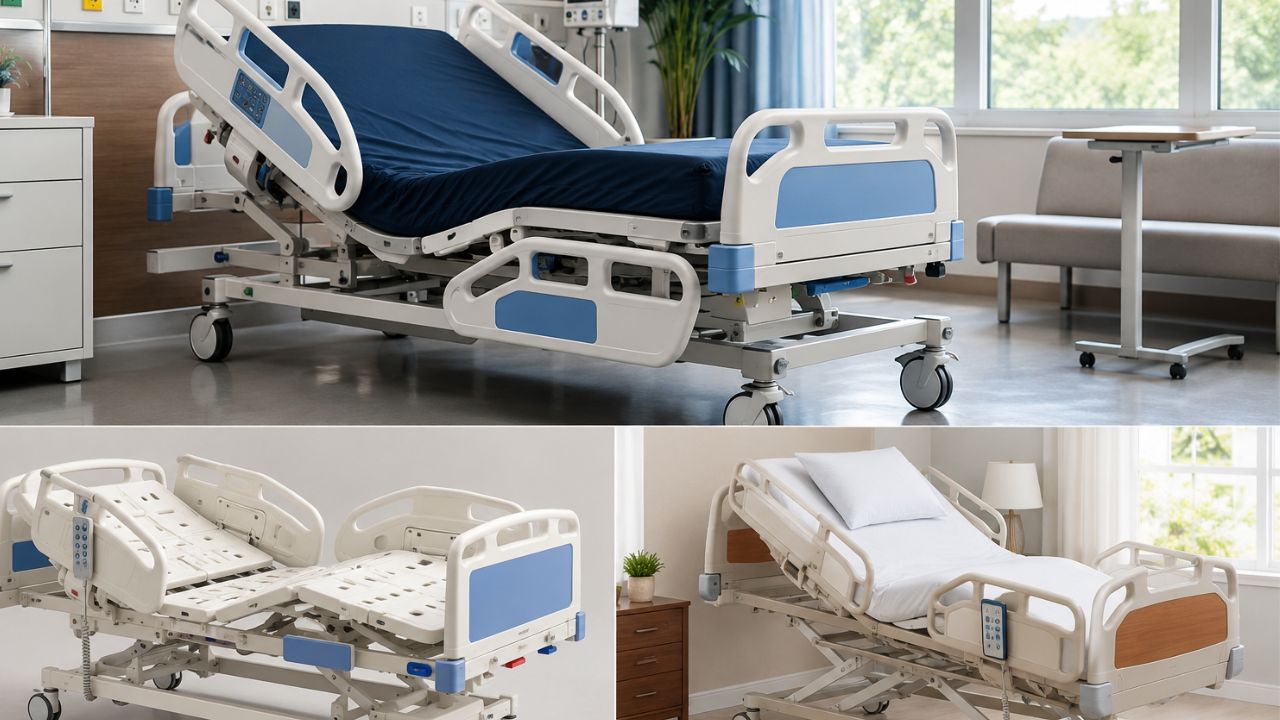
Heavy-duty and electric hospital beds are one of the most essential tools used in the healthcare field for patient care and treatment. However, it’s difficult to choose among the top brands out there. That’s where Lifecaremedtech steps in. We’ll provide all the information you need, especially when it comes to choosing a hospital bed.
These beds have steel frames that can handle heavy patients. The electric function is to adjust the head, armrests, or bed height with the touch of a button. There’re other features such as the locking casters, and rail settings. Many models also have backup power.
What are Electric Hospital Beds?
Electric hospital beds move when a button is pressed. A semi-electric bed lets you adjust the head or feet with electricity, but you still need a hand crank to change the whole bed’s height. A fully electric bed changes the head, foot, and height with a remote control or side buttons.
Benefits: Caregivers can adjust the bed without leaving the room. Patients can sit up, lie down, or tilt the bed to their comfort. Frequent adjustments help prevent bedsores and improve blood flow.
Ideal Situations: These beds are perfect for home recovery after surgery, senior care where comfort and safety are vital, or for patients with mobility challenges who need frequent repositioning.
The Need for Heavy-Duty (Bariatric) Solutions
Doctors face a challenge when standard hospital beds can’t accommodate patients who weigh more than average. Normal beds can support up to 350 pounds, but patients who weigh more than that might require support for double that weight or more. This issue can lead to equipment failures, injuries, and less effective patient care. Heavy-duty bariatric beds, designed for functionality and safety, address this problem.
What about Bariatric Beds?
Bariatric beds work much like regular hospital beds. You can adjust the head, legs, and height. These beds are rated by how much weight they can hold, with most models handling between 500 and 1,000 pounds. Some can even support up to 1,200 pounds for larger individuals.
The strength of bariatric beds lies in their construction. Unlike the thin steel used in standard beds, bariatric beds use thicker steel, reinforced crossbeams, and wider supports. Instead of using bolts that can fail over time, these beds are welded together, which makes them sturdy and less likely to shake or break under pressure.
Why Bed Strength is Important
If a bed fails, it can lead to serious falls, injuries from being trapped, or psychological harm that hinders their movement. The FDA and CMS have set strict guidelines for bariatric equipment, and facilities need to meet these to retain their accreditation.
Strong beds protect not just patients but also caregivers who help with moving and repositioning. A well-made bed helps nurses reduce the risk of injury.
Features to Consider
A key difference between regular and bariatric beds is their width. Standard hospital beds are usually 36 to 42 inches wide, while bariatric beds can be 48 inches or even 60 inches wide. This extra space helps patients move freely without feeling cramped or risking a fall.
Most of these beds use strong motors that can handle more weight. High-quality bariatric beds are equipped with several motors: one for the head, one for the legs, and another to change the height. It’s preferable to choose motors that can handle regular use and frequent adjustments.
Robust side rails boost safety as well. They must be strong enough to hold up when leaned on or pushed during movement. Manufacturers strengthen these rails, make them wider, and ensure they have secure locks to prevent unexpected opening. Together, the increased width, powerful motors, and sturdy side rails form a dependable bariatric bed.
Heavy-Duty and Electric Hospital Beds: A Guide for Bulk Buyers
Choosing the right vendor when buying several hospital beds is important to cut costs, speed up delivery, and meet regulations. Use this checklist to pick a trustworthy partner who provides good quality, safety, and service.
Consider These Factors When Choosing a Supplier
- Experience: Choose a supplier with at least five years of experience in hospital supplies.
- Production Capacity: Ensure they can meet bed demands without delay.
- References: Request examples of prior projects or clients they’ve served.
Certifications & Compliance: Follow FDA & Safety Standards
- FDA 510(k): Shows the bed model’s FDA approval.
- CE mark and ISO 13485: State that the factory meets international quality standards.
- IEC 60601‑2‑52: Ensures the bed is safe for hospital use.
- Fire Safety: Confirm the presence of ASTM E1591 or similar fire safety certifications for bedding materials.
Warranty & Maintenance
- A minimum three-year warranty: Protects against structural or mechanical problems.
- Spare Parts Availability: Secure prompt access to replacement parts like motors and control boards.
- On-Site Service: Confirm local technician availability or third-party service agreements.
- Preventive Maintenance Plan: Request a schedule for regular inspections and updates on electric models.
- Customization Options: Adapt Beds to Your Facility’s Needs
- Special mattresses: Choose from pressure-relief, low-air-loss, or alternating-pressure types.
- Trapeze bars and overhead lifts: Ensure compatibility with mounting brackets and weight limits.
- Side-rail padding: Choose soft or microbial-resistant covers that meet hygiene regulations.
- Lead Times & Logistics: Handle Supply Chain Expectations
- Standard lead time: Production usually takes 6–8 weeks after getting tooling approval.
- Expedited options: Inquire about fast production for urgent needs, which usually cost about 15% more.
- Shipping packaging: Confirm crates are suitable for container transport and pallet storage.
- Clearance help: Select a supplier that offers support with customs and regulatory paperwork.
Heavy-Duty and Electric Hospital Beds: Top Brands
Hospitals and long-term care facilities require durable beds that can withstand heavy use and provide easy electric adjustments for patient comfort. Here are some brands that meet these criteria:
Baxter (formerly Hill-Rom)
Has a strong electric motor, four-section adjustability, supports up to 600 lbs, has an integrated scale, and offers an optional Trendelenburg tilt.
Stryker Heavy-duty and Electric Hospital Beds
It’s known for its quiet electric operation, programmable memory settings, pressure-redistributing surface, easy-to-clean waterproof cover, and a safe-lock brake system.
Invacare
Offers a sturdy steel frame, dual-motor system, easy-to-use hand control, optional side-rail extensions, and bariatric models supporting up to 1,000 lbs.
Medline
Built with reinforced steel, it has a dual-motor lift, a battery backup feature, an antimicrobial headboard, and a straightforward tool-free setup.
Drive Medical
Supports up to 750 lbs, features a multi-position backrest and knee break, lockable wheels, and a removable mattress deck for cleaning.
How to Compare Wholesale Quotes
Don’t focus only on the unit price; consider the bed’s total cost. Account for the warranty duration, expense of spare parts, and frequency of maintenance. In addition, check shipping fees, handling, and packaging.
Look into bulk discounts: Many suppliers reduce the cost per bed when you buy in larger quantities. Check quotes from other top brands.
Read unbiased reviews. Search for “real hospital bed supplier reviews” on industry forums or directories. Take note of repeated complaints about delays or equipment failures.
Verify their history. Ask for examples or references from other facilities. Get from reliable manufacturers . At least a company that has been in the sale of medical equipment’s such as hospital beds (2 to 5 years in business is fair enough).
Check how fast they respond. Inquire about specifications, delivery times, and warranty information.
Tips for Bulk Buying: Long‑Term Contracts vs. Single Purchases
Secure Cost: With a year-long contract, you lock in the same price per unit, protecting you from sudden increases in the market.
Priority in Production: Regular customers with long-term deals often get their orders made faster, shortening wait times even when demand is high.
Adjustable Quantities: Many contracts allow you to change the amount you order without needing to renegotiate, thanks to a “volume swing” option.
Extra Services: Contract clients often receive benefits like scheduled maintenance, extended warranties, and a dedicated account manager.
Safety and Maintenance Essentials
- Always have professionals install your equipment. Trained technicians will ensure all electrical and structural components meet safety standards, preventing problems.
- Conduct monthly inspections. Test the motor, lifting and braking systems, listen for odd sounds, tighten loose bolts, and ensure all parts move easily.
- After each patient leaves, clean and sanitize thoroughly. Use EPA-approved disinfectants on surfaces, handrails, control panels, and mattress covers. Use mild soap on metal to prevent rust.
- Check power cords and plugs every week. Look for wear and tear like fraying or cracks, and replace any faulty parts immediately to prevent electrical dangers.
FAQs on Heavy-Duty and Electric Hospital Beds
1. What weight can heavy-duty beds support?
Typical capacity is 500 lb, with bariatric options up to 750 lb.
2. Do electric beds require special outlets?
No, they work with standard 110 V outlets.
3. Are bulk discounts available for hospitals?
Yes, orders of ten or more units receive a 15% discount, with greater savings for larger purchases.
4. What does the motor warranty cover?
The motor, frame, parts, and labor are covered by a three-year warranty.
Read also: Defibrillator AED Commercial Packages: A Guide for Clinical Use
Final Thoughts on Heavy-Duty and Electric Hospital Beds
Get strong frames when your facility cares for bariatric patients. Ensure electric motors are safe and can adjust smoothly. Before buying, check the weight limit, compatibility with different mattresses, and warranty details.
Also, check other sellers. Don’t buy in bulk. You can buy one to see if it’s what your facility needs. However, choose models with removable rails, built-in scales, and USB ports for patient comfort. Make sure that the supplier provides good after-sales support.
-
 Wearable Health9 months ago
Best Portable Health Monitoring Devices for Travelers (Compact and Reliable)
-

 Diagnostic & Hospital Equipments8 months ago
Blood Pressure Monitor Problems: Common Errors and How to Fix Them
-

 Review and guides9 months ago
CPAP Machines Buying Guide: The Best Models Doctors Don’t Recommend
-
 Wearable Health8 months ago
How to Get Accurate Heart Rate Readings from Wearables (Best devices compared)
-
 Diagnostic & Hospital Equipments5 months ago
Top Professional Syringe Infusion Pumps for ICU Setups
-
 Wearable Health8 months ago
Best Smartwatches for Health Tracking: Features that Actually Matter
-
 Home and selfcare9 months ago
Portable vs. Tabletop Nebulizers: Which is Better for Home Use
-
 Diagnostic & Hospital Equipments9 months ago
Upper Arm vs. Wrist Blood Pressure Monitors: Which Should You Buy?